South Korea's KOSPI index would need to climb approximately 74% to reach Goldman Sachs strategist Timothy Moe's price target of 12,000, a forecast he set three months ago and has not revised despite significant market movements.
The index currently trades near 6,899, up roughly 60% in 2026 after slipping about 24% from its June record close. Memory chip manufacturers SK Hynix and Samsung Electronics have driven much of the gains, with SK Hynix up about 157% year to date and Samsung Electronics up 106%.
Volatility and Reversals
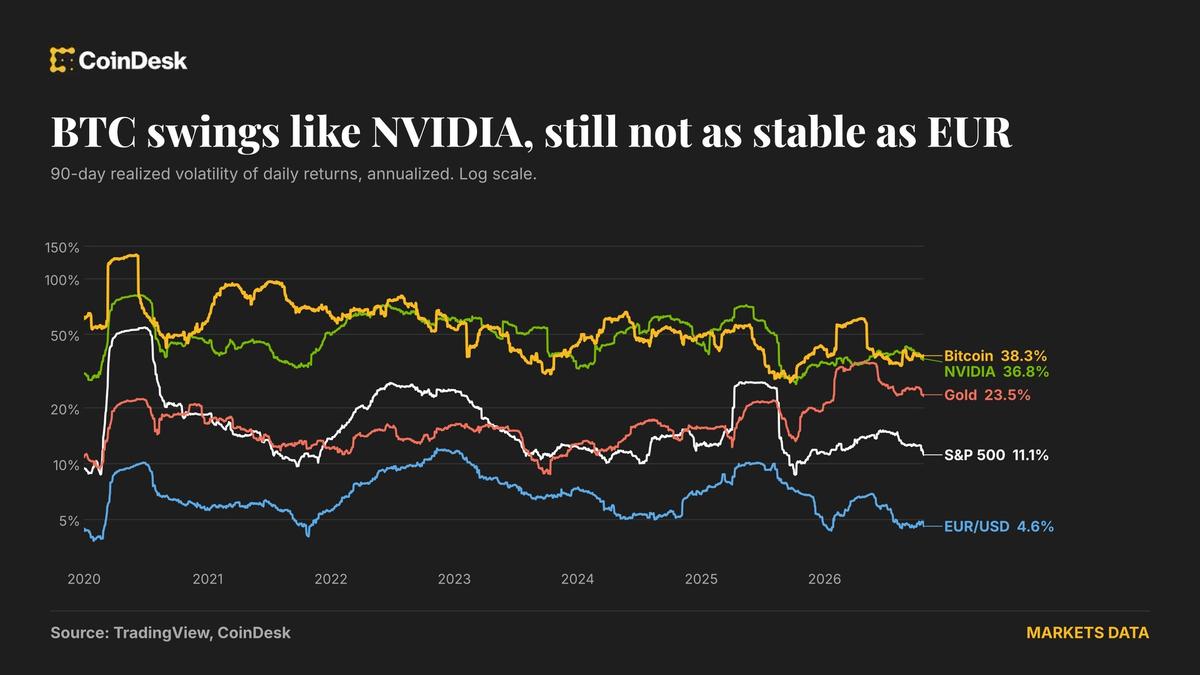
The path to these gains has been volatile. July saw sharp reversals when a leveraged ETF unwind hit Korean retail investors. Leveraged funds tracking the two chipmakers posted their first monthly outflow in August, shedding close to $1 billion. Market swings became wide enough that Bitcoin spent stretches of 2026 calmer than the KOSPI.
The Earnings Case
Moe's case for 12,000 rests primarily on earnings expectations. He expects KOSPI members to deliver earnings growth near 360% in 2026, cooling to roughly 35% in 2027. "We're still holding to it — it's driven by what we think will be earnings delivery. The market is underpricing the duration of this earning cycle," he said.
Valuation supports the thesis. His 12,000 target assumes 7.5 times forward earnings, compared to the index's current valuation of 5.3 times, roughly half its seven-year average.
Moe also cites strong demand, estimating U.S. Big Tech spending will top $1.2 trillion next year, far above earlier projections near $800 billion.
Risks and Tests Ahead
Risks to the outlook include competition from Chinese chipmaker ChangXin Memory Technologies and potential political resistance to new data center construction in the United States.
Samsung and SK Hynix have posted strong quarterly results this year with limited market reward, setting up a crucial test for whether earnings delivery alone can close the 74% valuation gap.
Other strategists share a constructive view. Morgan Stanley lifted Korea to overweight in early August with a target of 9,000.