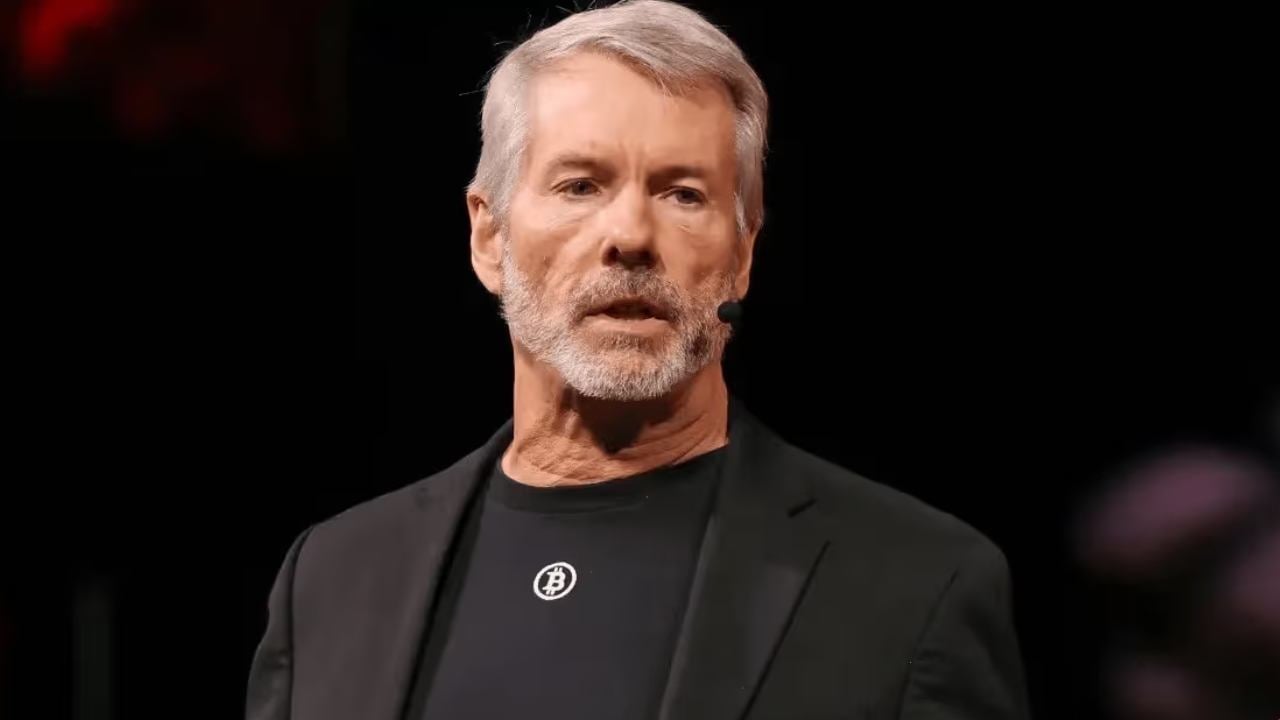

More than a decade ago, Fundstrat recommended that clients allocate 2% of their portfolios to bitcoin. According to Fundstrat founder and Bitmine Chairman Tom Lee, that initial allocation has since grown to represent more than 85% of portfolios for clients who followed the advice—not because they continued buying bitcoin, but because the asset's price appreciation caused it to dominate their holdings.
When Fundstrat first made the recommendation, bitcoin traded below $1,000 and faced widespread skepticism. Lee described the strategy in an interview with Wealthion, explaining that "our original recommendation for a 2% position, for the average account for Fundstrat that actually took our advice, is now over 85% of their portfolio."
Most Investors Still Without Crypto Exposure
Lee estimated that 80% to 90% of investors lack any cryptocurrency exposure despite owning assets like gold and stocks. He framed the question as whether investors want to be right or want to make money, arguing that understanding every technical detail about bitcoin is not a prerequisite for ownership. He compared crypto investment reluctance to investing in other technologies people commonly own without fully understanding, such as electric vehicles and large language models.
Deleveraging and Market Cycles
Lee characterized the current period as bitcoin's fourth "crypto winter," describing a cycle in which prices fall, leveraged traders face liquidation, and some participants exit the market. He noted that major deleveraging events occurred in October and after the Iran war began, clearing accumulated debt from the system.
Outlook for the Next Year
Lee sees several factors positioning crypto for growth over the next 12 months. Crypto-linked equities contributed significantly to Russell 1000 performance in the third quarter, with four of the index's 21 best-performing stocks being crypto stocks. Bitmine climbed 99% during the quarter. Lee also noted leverage beginning to return in markets such as Korea, while Wall Street increasingly embraces blockchain, stablecoins, and tokenized securities.
Lee suggested that financial services could become heavily reshaped by blockchain technology and artificial intelligence, with crypto serving as infrastructure. He stated that if $100 trillion in assets becomes tokenized, capturing 1% of that activity could represent a $1 trillion net income opportunity.
Lee acknowledged potential headwinds, including possible market corrections, ongoing inflation concerns, and pending legislation. However, with the four-year crypto cycle approaching what he considers its bottom, he concluded: "I think it's going to be a really bullish period for crypto for the next 12 months."