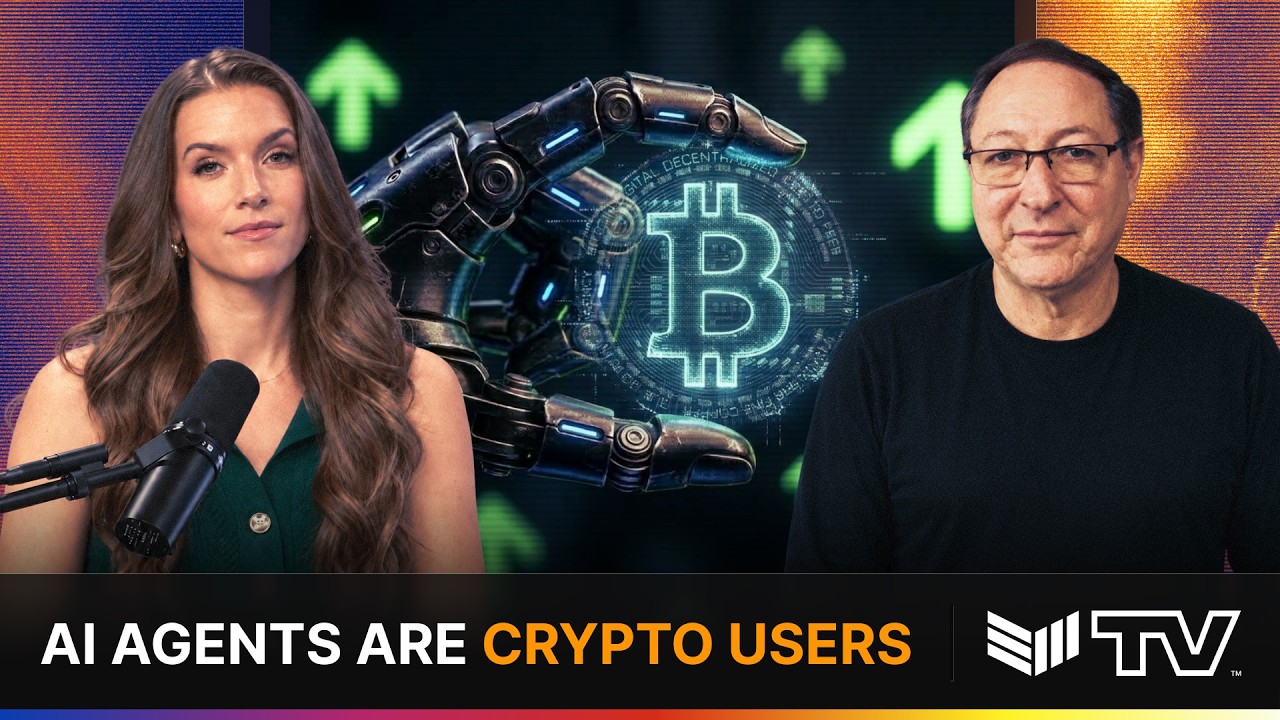
Jordi Visser, who has spent 15 years building cryptocurrency infrastructure, contends that the financial rails developed over that period were fundamentally designed for a different type of user than initially assumed.
In a discussion with Bitcoin Magazine, Visser presents what he calls the Ghost Rails thesis, drawing a parallel to the technology sector's evolution. He compares the current moment to the 14-year gap between Netscape going public and the launch of the App Store, which made internet access mainstream.
According to Visser's thesis, the infrastructure built around lending, tokenization, and stablecoins is poised to find its primary users in AI agents rather than retail wallets. He identifies this shift as a significant inflection point for what he terms the agentic economy, and argues it carries implications for Bitcoin specifically.
Visser also discusses the potential for tokenization to convert illiquid assets—worth an estimated $900 trillion—into tradeable monetary units. He contends that addressing liquidity constraints in this asset class represents a fundamental structural change for cryptocurrency adoption.
The discussion encompasses broader economic themes, including nominal growth relative to U.S. debt levels, the long-term survival prospects of various assets, and factors that could drive mainstream adoption of Bitcoin among high-net-worth individuals.