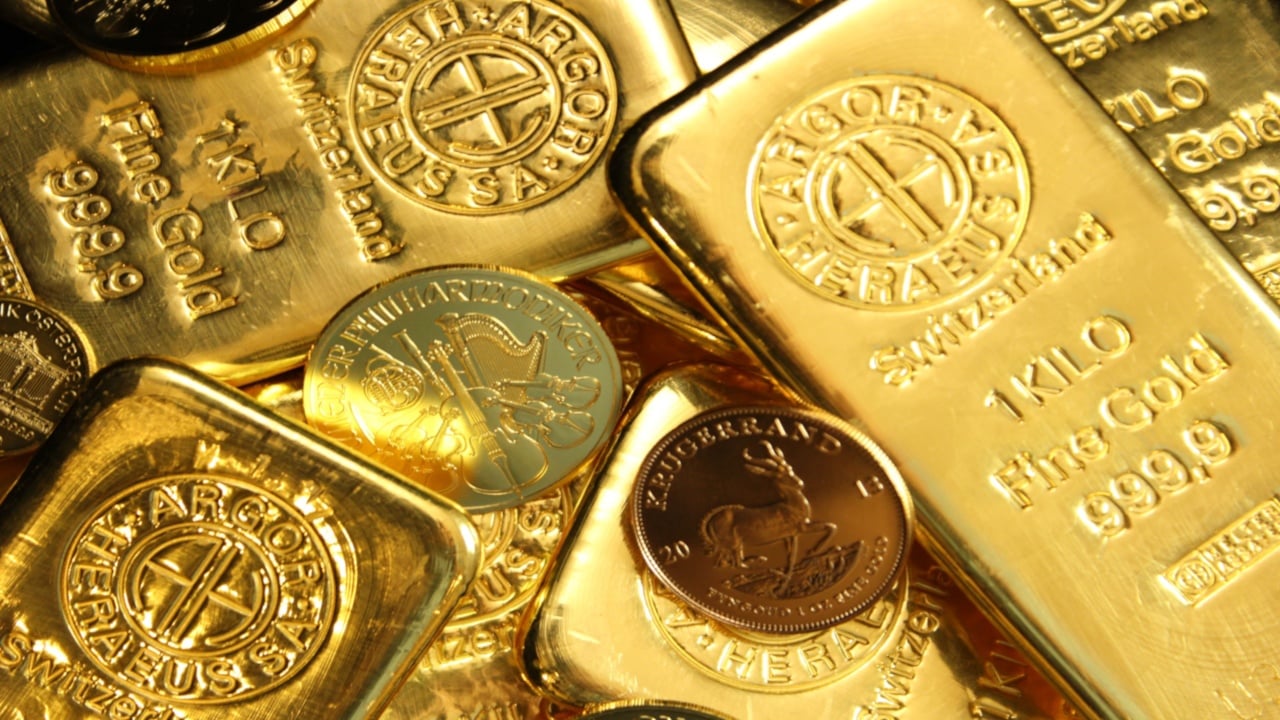
Kalshi's 15-minute gold markets traded 539 million contracts in September, exceeding ether's 317 million contracts for the same period, according to the exchange's public market data. Gold's strong performance comes just two months after Kalshi listed its first 15-minute gold markets on July 31.
The surge in gold trading has made the short-duration markets a significant revenue driver for Kalshi. Based on the exchange's published fee formula, gold's taker fees in September totaled approximately $4.94 million, compared to an estimated $2.6 million for ether. In the week ending October 5, 15-minute markets generated 80% of Kalshi's non-sports fees, according to data from InGame.
Bitcoin remains the platform's dominant contract by a substantial margin, with 6.74 billion 15-minute contracts traded in September and estimated fees of $60.4 million. Both crypto markets settle on CF Benchmarks prices, while gold settles on a Pyth Network price feed.
Kalshi's fast-duration markets face criticism from some observers. A gambling industry newsletter compared 15-minute crypto contracts to in-play betting rather than traditional investing, and a problem gambling counselor told NPR that markets expiring in minutes or hours function similarly to slot machines. Kalshi has defended the model, arguing that its exchange structure differs from traditional sportsbooks because company profits are not tied to trader losses.
The legal status of these fast-duration markets may differ from Kalshi's sports offerings. Courts have questioned whether sports contracts carry sufficient financial consequences, but contracts tied directly to asset prices like gold or bitcoin may stand on firmer legal ground. Despite this potential advantage, Kalshi's crypto products have drawn regulatory attention, with reports indicating the CFTC was reviewing similar trades in ether perpetuals.