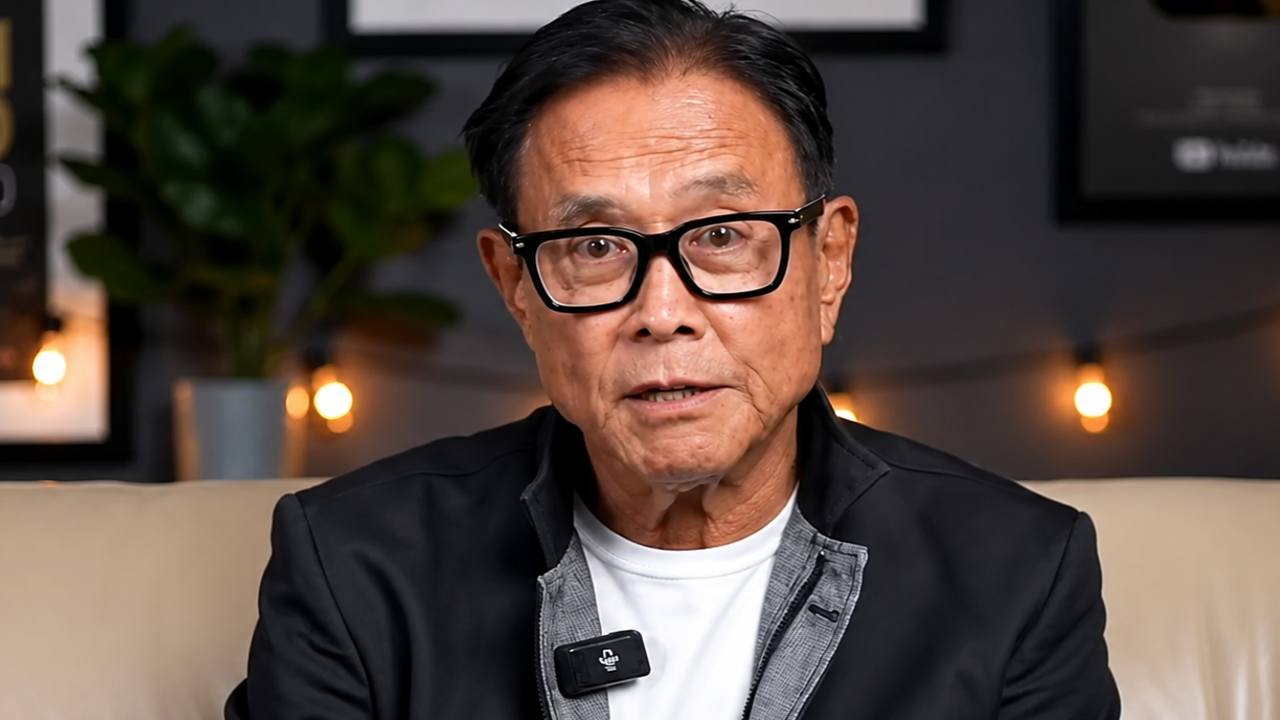
Robert Kiyosaki warned that a significant market crash could leave many baby boomers unable to recover financially, potentially facing homelessness or moving in with family members. In a September 27 post, the author of Rich Dad Poor Dad predicted that falling bonds would precede a stock market decline that could devastate retirement portfolios.
Kiyosaki focused his concern on the traditional 60/40 retirement portfolio—a mix of 60% stocks and 40% bonds—arguing that substantial losses in both asset classes near retirement could make it difficult for older investors to rebuild savings through continued work or income.
He stated: "My predictions, starting with the crash of Lehman Brothers on CNN, on Wolf Blitzer's Situation Room show in 2008, has been on time and target." However, Kiyosaki has issued multiple predictions that did not materialize on his stated timelines. He forecasted the largest crash in 2016, which did not occur as predicted, and predicted in January 2025 that the biggest stock market crash in history would arrive in February. The S&P 500 fell 1.42% that month and finished 2025 up 16.39%.
Kiyosaki attributed the retirement crisis to inadequate financial education and traced it to changes in pension systems. He claimed central banks are selling U.S. bonds to purchase gold. A June World Gold Council survey found that 89% of responding reserve managers expected global central bank gold holdings to increase, though this does not confirm widespread bond sales or validate predictions of a stock market crash.
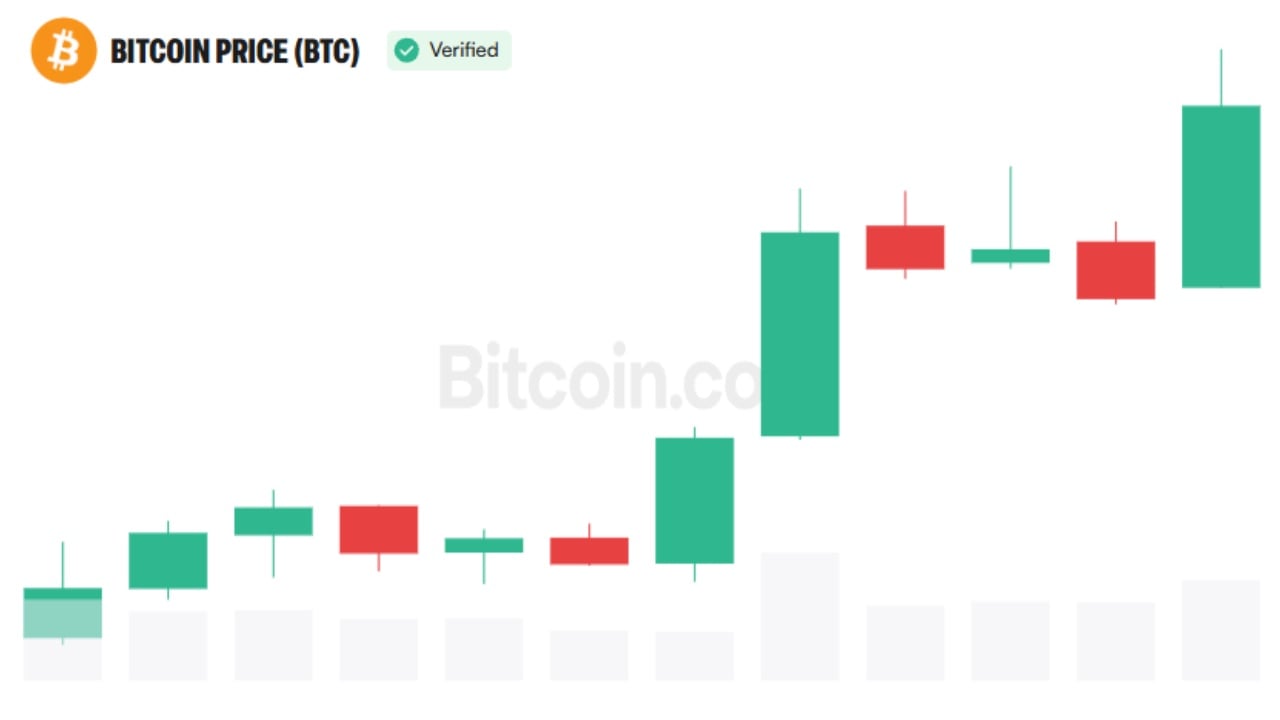
As an alternative to traditional retirement assets, Kiyosaki recommended bitcoin, gold, and silver, assets he said he has promoted for years. He cited concerns including debt levels, geopolitical tensions, artificial intelligence speculation, and retiring baby boomers as factors supporting a downturn. He also listed rental apartments and U.S. oil wells among his own holdings.
Bitcoin's fixed supply appeals to investors concerned about monetary instability, though its price can experience sharp declines over short periods. Kiyosaki's recommendation reflects his outlook on an anticipated downturn rather than evidence of how these assets would perform during one.