Ledger has launched clear signing on Solana, allowing hardware wallet users to view transaction details in readable format before approving them, rather than signing unreadable data.
The feature eliminates "blind signing," where users previously had to approve transactions displayed as unreadable data. A Jupiter decentralized exchange swap that previously required scrolling through 13 difficult-to-read screens on a Ledger device now displays in three screens, showing what the user is sending, what they are receiving, and the counterparty involved.
Clear signing now covers nine Solana applications and 18 of the 22 most common actions users perform on the network. Jupiter and lending protocol Kamino are the initial supported applications. Ledger developed the feature in collaboration with the Solana Foundation and Anza, the developer of Solana's Agave validator client.
Addressing Security Concerns
Blind signing has long represented a vulnerability for hardware wallet users, as it prevents them from identifying malicious transaction requests. Ledger's chief human agency officer compared the practice to "signing a blank check."
AI Agent Integration and New Hardware
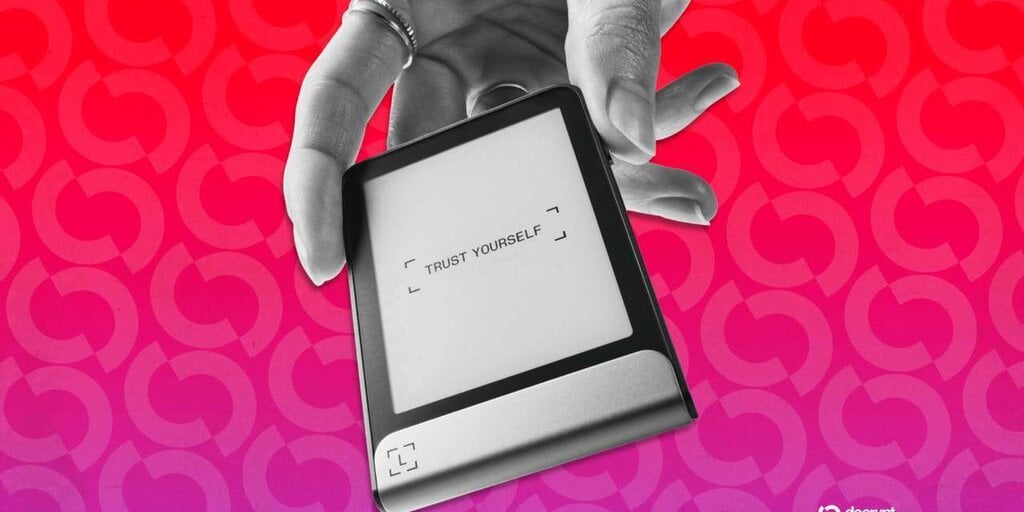
Ledger also announced Agent Intents, a queue system for approval requests that allows AI agents to continue operating while users approve transactions on their own schedule. The company demonstrated Ledger Atom, an Android-based touchscreen device that will carry the Solana Seeker app store and provide access to more than 1,500 applications.