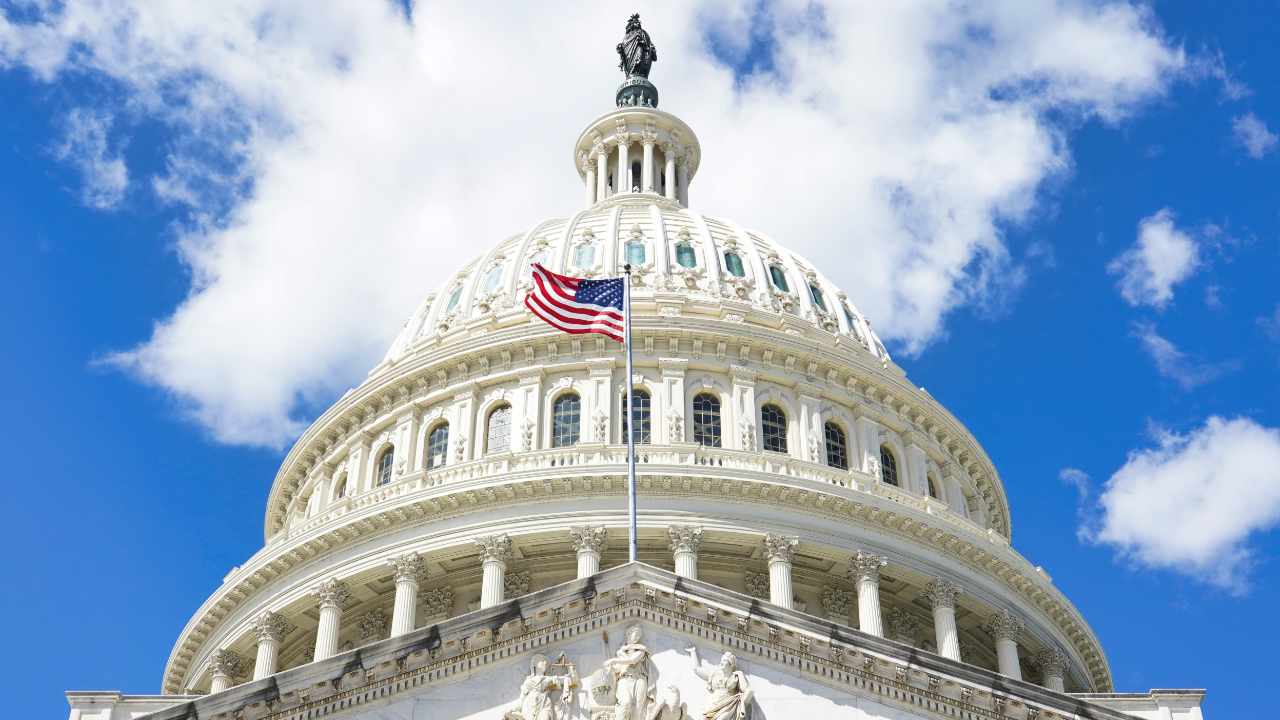
Senator Cynthia Lummis has pressed Democrats to vote for the Digital Asset Market Clarity Act after Republicans incorporated more than 100 Democratic-requested changes into a revised 630-page draft. The Senate is scheduled to hold a cloture vote on the motion to proceed on Tuesday, September 15, which requires 60 votes to advance the legislation.
Republicans control 53 Senate seats, meaning the bill needs approximately seven Democratic votes to clear the threshold if Republicans remain united. The House previously passed the bill 294-134 in July 2025, with 78 Democrats voting yes, and the Senate Banking Committee advanced its version 15-9 in May.
Key Provisions in the Revised Draft
The revised text incorporates significant changes requested during negotiations, including a felony restriction intended to prevent convicted fraudsters from participating in regulated digital asset markets. The bill allocates $150 million to the Commodity Futures Trading Commission (CFTC) to expand supervision and enforcement.
The draft also targets platforms that present themselves as decentralized while maintaining meaningful control. Protocols that can be materially controlled or altered by a person or coordinated group could face CFTC registration and Bank Secrecy Act requirements. DeFi provisions were narrowed to spot and cash digital commodity transactions, and credit unions received clarification on using digital assets and distributed ledger technology.
Democratic Holdouts Focus on Ethics Provisions
Seven Democratic senators—Angela Alsobrooks, Cory Booker, Catherine Cortez Masto, Ruben Gallego, John Hickenlooper, Mark Warner, and Raphael Warnock—remain uncommitted. Their objections center on ethics and conflicts of interest provisions governing public officials and their spouses issuing or sponsoring digital assets. Democrats have sought stronger enforcement authority and changes to a 2029 sunset provision, while the White House has opposed extending the restrictions.
Prediction Markets Signal Low Odds
Polymarket traders currently assign the CLARITY Act only a 23% chance of becoming law before December 31, despite more than $15.2 million in trading volume. Kalshi prices comprehensive crypto market structure legislation at a 34% chance of enactment before July 1, 2027, 40% before October 1, and 46% before January 1, 2028. Sentiment has shifted significantly; Polymarket odds reached roughly 82% in February before declining to the teens by late August.
Polymarket's senator-by-senator market shows implied voting probabilities ranging from 12% to 39% for final passage among the holdout bloc, offering traders' assessments of the Senate dynamics. The congressional calendar presents an additional challenge, as failure on Tuesday could push comprehensive crypto legislation into 2027 or later given approaching 2026 midterms.