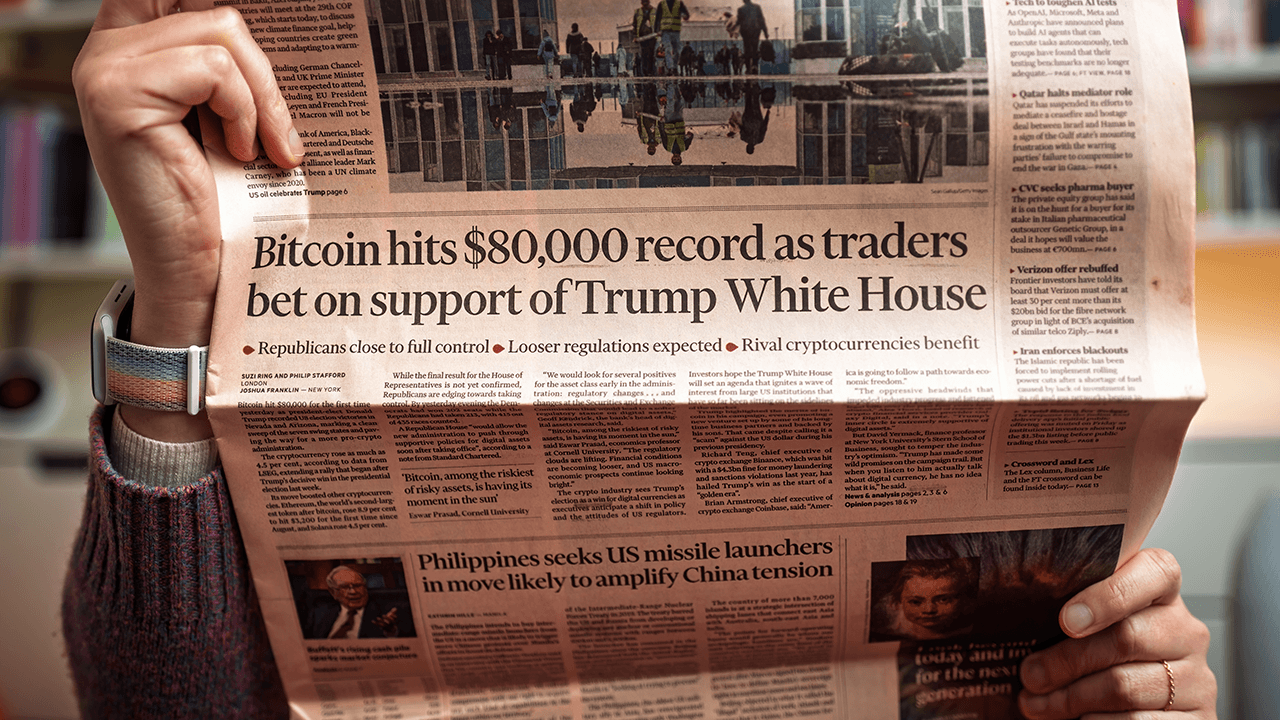
The price of bitcoin (BTC) has started rising again, driven largely by external macroeconomic reasons rather than changes to the cryptocurrency or its underlying network. According to market analysis, the recent upward momentum propelled the bitcoin price by more than 20% in a single week, supported by low market liquidity and record-high liquidations of short positions.
The rally has drawn investors back to bitcoin using it as a multi-purpose asset functioning as digital gold, a currency debasement hedge, a portfolio diversifier, or a speculative tech-style stock following a major correction from its all-time high. Observers note that the market largely ignored internal network events—such as infrastructure challenges, protocol discussions, and drops in hashrate—while focusing instead on external catalysts.
Key factors cited as driving the broader market movement include:
- U.S. Treasury buybacks and falling Treasury yields
- USD weakness and cooler inflation data reducing rate-hike fears
- Optimism surrounding the Clarity Act
- The return of multibillion-dollar exchange-traded fund (ETF) flows and renewed institutional demand
- AI-driven earnings booms and prevailing four-year market cycles
Research from the Federal Reserve Bank of Cleveland highlights that investments in bitcoin and the broader crypto market are frequently viewed as speculative, leaving BTC sensitive to global liquidity and monetary policy expectations. Federal Reserve policy decisions are viewed by analysts as having a greater immediate influence on the asset's price than internal software developments or builder updates.
With forecasts for the remainder of the year varying widely, price expectations have increasingly targeted $100,000 and surpassed $150,000, though alternative views still account for potential corrections. Future price direction is expected to rely heavily on ETF inflows, Federal Reserve decisions, Treasury buybacks, and overall investor sentiment.
At the time of writing, bitcoin was changing hands at approximately $79,000, reflecting a 24% increase over the week after testing $81,000 during Asian trading hours. The asset remains down from its all-time high.