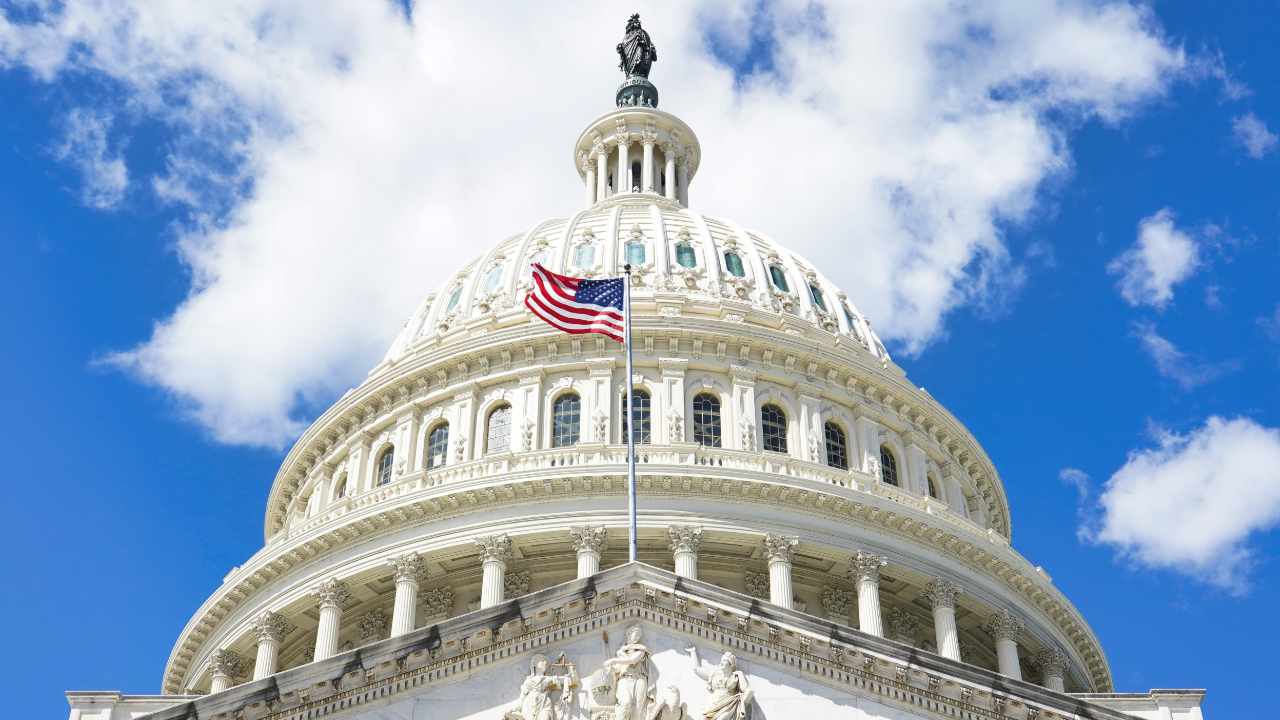
Michael Saylor, co-founder and former CEO of MicroStrategy, the world's largest corporate holder of bitcoin, has outlined an alternative path for the US crypto industry following the failed Senate vote on the CLARITY Act in September.
Saylor argues that the crypto industry should prioritize building products and attracting users over waiting for congressional action. He contends that widespread adoption could provide stronger protection for digital assets than compromised legislation.
Building Without Congress
Rather than accepting restrictions in new bills, Saylor proposes that the industry deploy compliant products using existing regulatory frameworks over the next couple of years. His strategy includes building products that lower costs, expand access, and give customers greater control over their money.
A central part of his proposal is to attract 50 million satisfied US users benefiting from various crypto financial products. Saylor argues that such a user base would make future policy reversals considerably more difficult because millions of Americans would have a direct interest in preserving those services.
"Adoption raises the political cost of reversal," he said.
Regulatory Compromises
The CLARITY Act vote failed on September 15 after Republicans and Democrats could not reach full agreement. Saylor believes the bill's compromises contained problematic restrictions on areas such as stablecoin rewards and innovation programs, including limitations on certain rewards for holding payment stablecoins and restrictions on participation in a proposed regulatory sandbox.
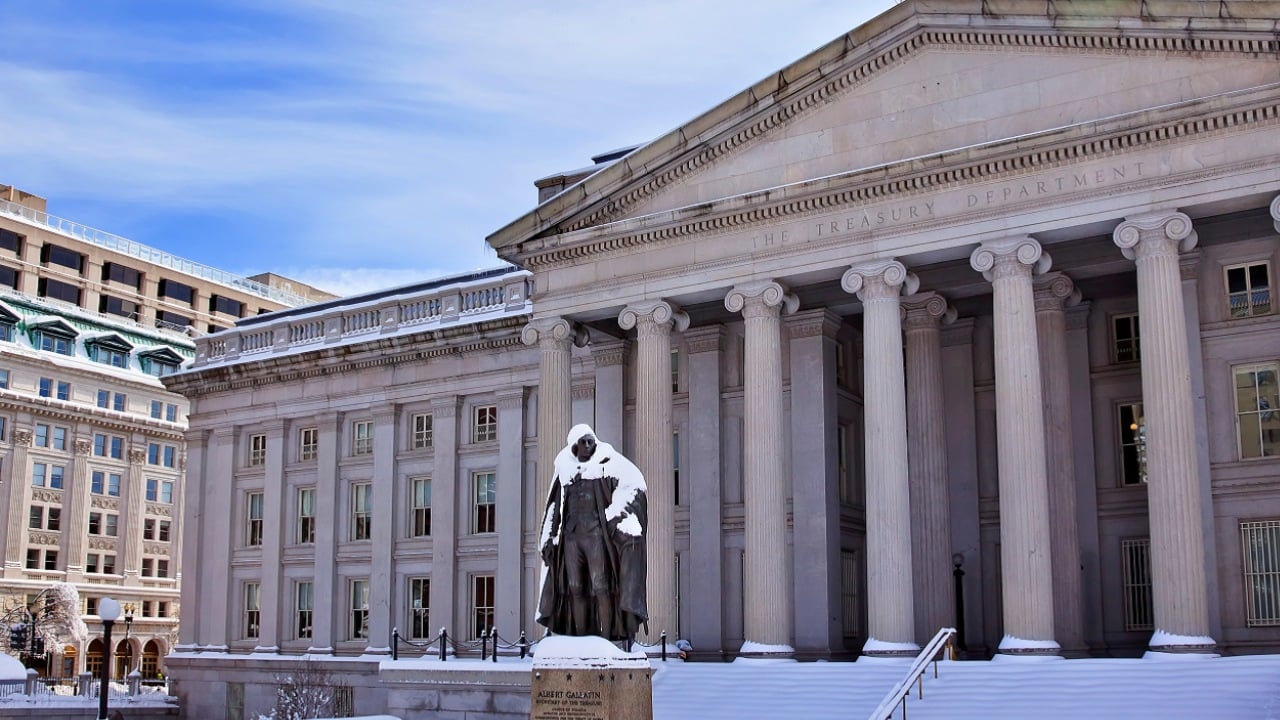
Instead, Saylor advocates allowing the SEC, CFTC, Treasury, and banking regulators to use their existing powers to establish workable rules while enabling companies to compete.
Regulatory Progress Continues
Saylor has previously argued that regulators could advance crypto policy through existing authority, pointing to bank Bitcoin custody, BTC-backed lending, stablecoin adoption, and digital credit. Following the CLARITY Act setback, both the SEC and the CFTC moved forward with new regulations within days of the failed vote.