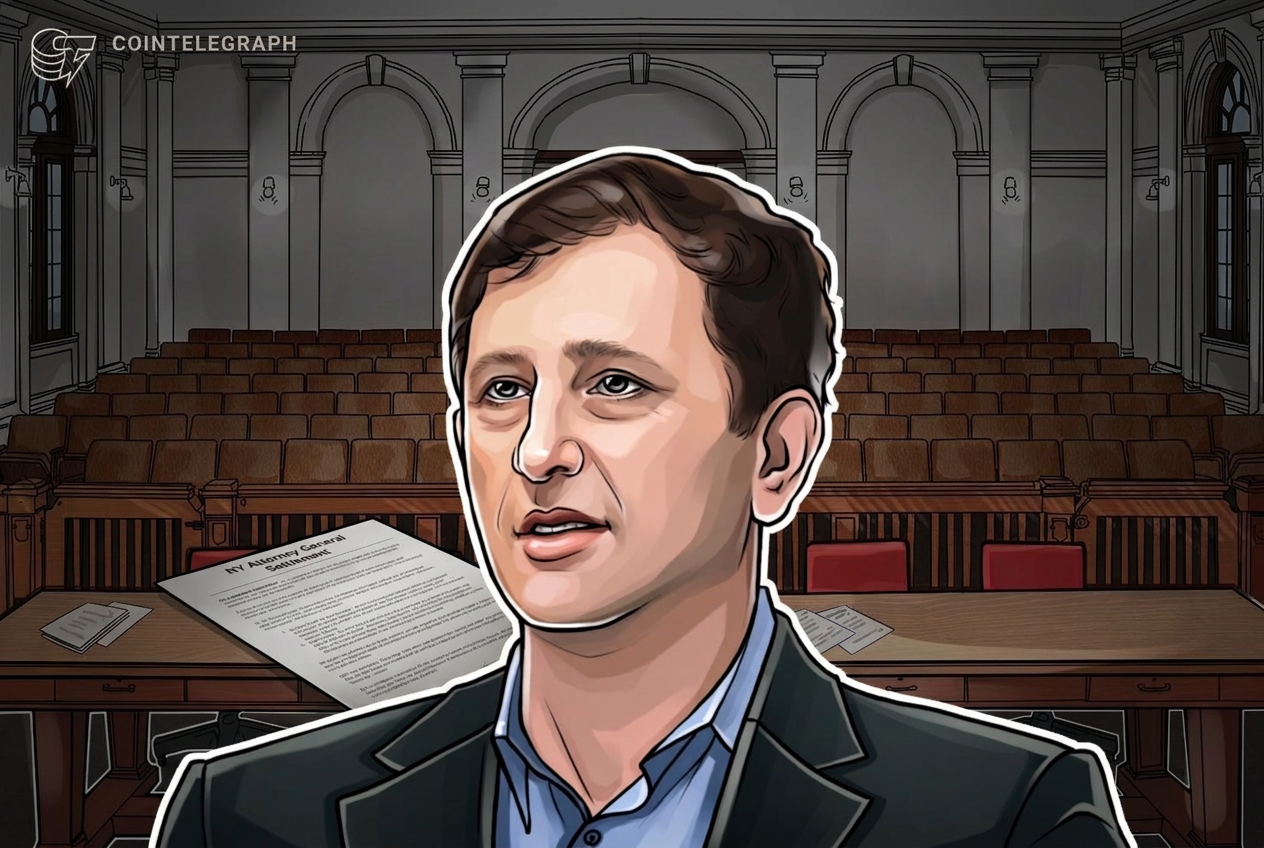
Former Celsius CEO Alex Mashinsky has been permanently barred from the cryptocurrency, securities and commodities industries under a settlement with New York Attorney General Letitia James announced Friday. The agreement includes up to $35 million in conditional payments and resolves a 2023 civil lawsuit accusing Mashinsky of misleading hundreds of thousands of investors about the safety of Celsius before its collapse in 2022.
Under the New York settlement terms, Mashinsky must pay the state $25 million if he fails to forfeit an additional $10 million in ill-gotten gains to the federal government beyond assets already forfeited. He must also pay another $10 million if he does not serve his full prison sentence. Mashinsky is currently serving a 12-year federal prison sentence for fraud following a December 2024 guilty plea to securities and commodities fraud.
Celsius Operations and Collapse
According to the 2023 lawsuit, Mashinsky promoted Celsius as a safer alternative to banks while offering yields as high as 17%, allegedly concealing risky investments and mounting losses. By early 2022, Celsius had attracted roughly $20 billion in digital assets but struggled to generate enough revenue to sustain its promised returns, prompting increasingly risky investments.
Celsius froze customer withdrawals in June 2022 and filed for bankruptcy the following month, disclosing a shortfall of more than $1 billion between its assets and liabilities. As of August 2026, more than $3.4 billion had been distributed to Celsius creditors through the bankruptcy proceedings.
Prior Settlements and Legal Proceedings
The New York agreement follows separate federal settlements earlier in the year. In June, the Commodity Futures Trading Commission permanently barred Mashinsky from trading and registering with the agency. An April settlement with the Federal Trade Commission barred him from working in crypto and finance and required a $10 million payment, along with a largely suspended $4.72 billion judgment.
The Securities and Exchange Commission reached an agreement in principle with Mashinsky in September to settle its separate civil lawsuit. A federal judge dismissed the case without prejudice on September 29 pending finalization of the settlement.
Since May, Mashinsky has been seeking to vacate his federal conviction and sentence, representing himself in the proceedings. Federal prosecutors opposed his motion in August, calling his arguments without merit. A judge denied his request for discovery in an October 5 order. Mashinsky has until December 11 to respond to the government's opposition to his petition.