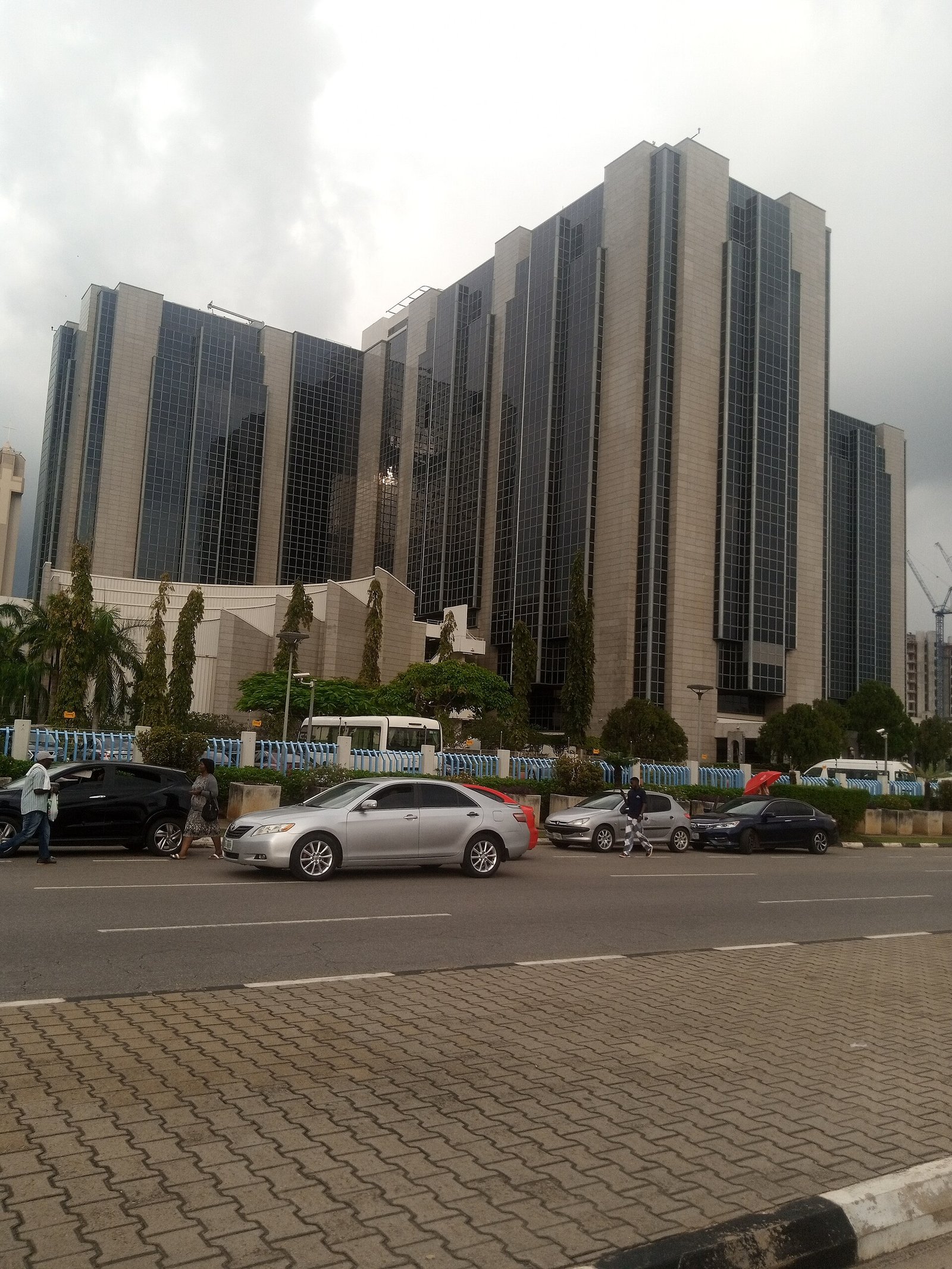
The Central Bank of Nigeria (CBN) released a circular on November 5 that establishes a licensing framework for non‑security virtual assets, including stablecoins, payment services, custody, transfers and remittances.
Two classes of stablecoins
The framework distinguishes between two classes of stablecoins. Class 1 covers tokens linked to the Nigerian naira, while Class 2 applies to tokens backed by foreign currencies. Minimum paid‑up capital requirements are set at 10 billion naira for Class 1 issuers and 15 billion naira for Class 2 issuers, with the CBN retaining the authority to require higher amounts.
Licensing and operational obligations
Each stablecoin must obtain approval from the CBN. Applicants must disclose information on reserve assets, redemption processes, supported networks, governance structures and associated risks. The rules prohibit algorithmic designs that rely primarily on market mechanisms rather than eligible reserve assets to maintain the token’s value.
Applicability to cross‑border operators
The regulations apply to activities conducted in Nigeria, directed at Nigerian residents, or that materially affect the Nigerian payment and financial systems, regardless of the physical location of the operator. International stablecoin platforms may therefore need to consider licensing and local incorporation before offering services to Nigerian users.
Compliance requirements
Licensed entities must implement anti‑money‑laundering checks, sanctions screening, transaction monitoring, safeguarding measures and customer disclosures. The CBN emphasizes consumer protection and financial‑system integrity while supporting innovation.
Transitional provisions
Existing operators are subject to transitional provisions outlined in the circular. Firms are advised to review the official text to determine specific deadlines and authorization obligations.