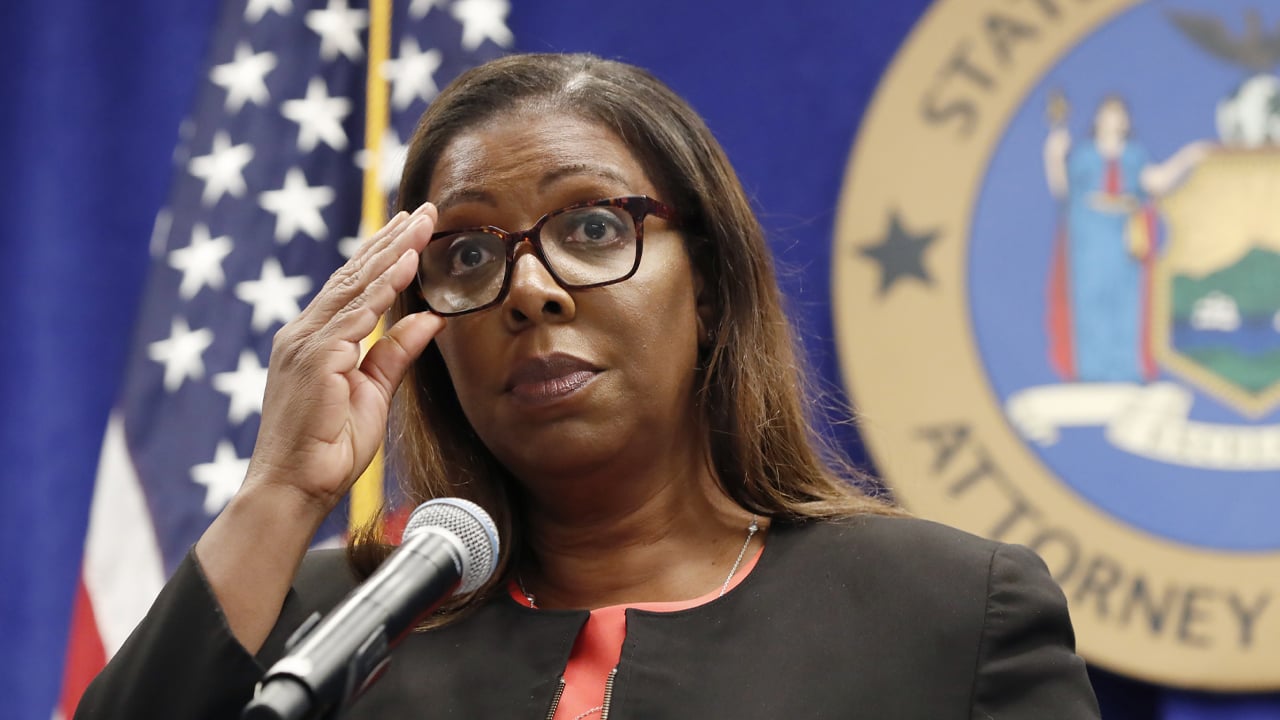
New York Attorney General Letitia James led a bipartisan coalition of 18 state attorneys general in opposing the Digital Asset Market Clarity Act hours before a scheduled Senate floor vote. The coalition argued that provisions within the legislation would compromise their enforcement authority over cryptocurrency fraud.
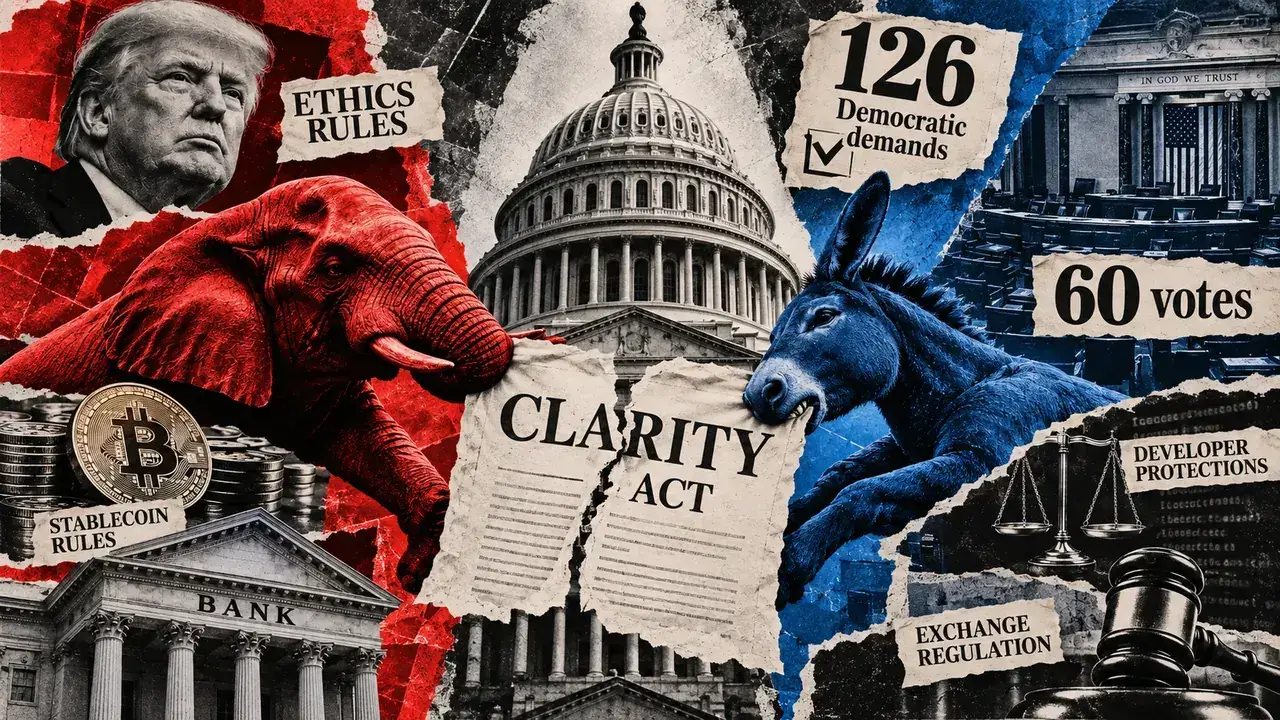
The CLARITY Act aims to establish federal oversight of digital assets and split regulatory authority between federal agencies. To secure support, Senate Republicans included language granting state prosecutors authority to enforce cryptocurrency ethics rules against federal officials. However, state attorneys general identified what they described as a problematic provision regarding qualified transactions that would give the Securities and Exchange Commission broad power to override state registration systems.
According to the state prosecutors, this federal preemption language would push local law enforcement out of commodities fraud cases, limiting their ability to address cryptocurrency scams within their jurisdictions. James stated: "Innovation can't come at the expense of protecting Americans' wallets."
The coalition cited significant consumer losses as justification for maintaining local enforcement capabilities. The FBI tracked $11.4 billion in cryptocurrency complaint losses in 2025, with an average loss exceeding $62,000 per victim. State enforcers argued they are typically the first responders in these cases involving regular consumers rather than sophisticated trading operations.
The state attorneys general's position reflected a broader disagreement over regulatory structure. The cryptocurrency industry has sought a unified federal rulebook to replace fragmented state systems, while state prosecutors contended that a centralized federal approach would result in slower response times during consumer crises.
The Senate was scheduled to vote on the legislation, with Republicans holding 53 seats and requiring 60 votes to break a filibuster.