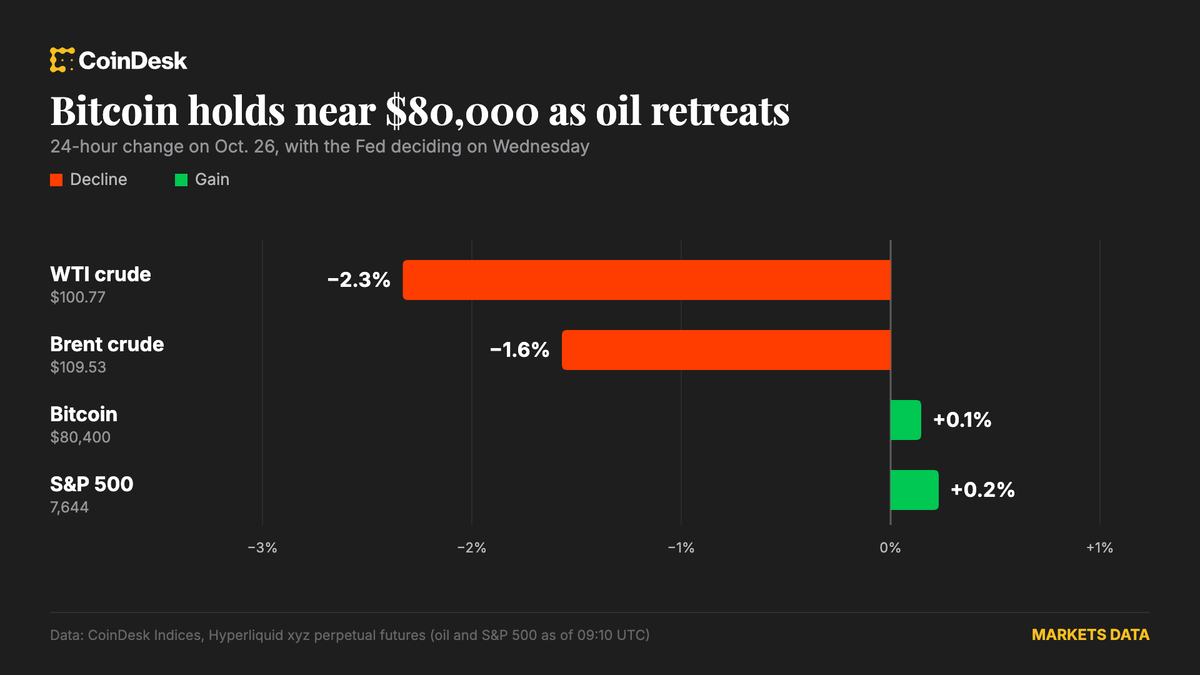
Oil prices declined Monday following a Group of Seven agreement to release 100 million barrels from emergency reserves over four months, coordinated by the International Energy Agency. The coordinated measure came after pressure from US President Donald Trump.
Brent crude fell 0.55% to $101.69 per barrel, while West Texas Intermediate declined 1.04% to $90.16, according to Trading Economics data.
Supply Relief From Multiple Sources
G7 leaders agreed Friday to the reserve release, with diesel supplies front-loaded into the first 20 days. A statement from French President Emmanuel Macron's office emphasized the measure aimed to stabilize energy supplies and shield households and businesses from price shocks.
Supply relief also came from the Middle East, where crude transits through the Strait of Hormuz reached a 7-day average of 13.5 million barrels per day in late September, according to Kpler data cited by CNBC. Regional shipments, including routes through the Red Sea, climbed further, with exports topping pre-war levels on four of the last seven days of September.
Tim Waterer, chief analyst at KCM Trade, noted the dual impact: "The G7 decision to tap strategic reserves is taking some of the immediate supply anxiety out of the price, while there's a growing view that Saudi export volumes are moving back toward pre-war levels, even if those barrels are still moving at higher cost and via less efficient routes."
Continued Supply Risks
Tanker attacks continue to threaten the supply recovery. Shipping intelligence firm Marisks logged at least 7 incidents near Hormuz, including a reported strike on the Kuwaiti tanker Kazimah III, potentially involving Iranian forces. The Houthis also reported firing ballistic missiles and drones at Saudi Aramco sites in Riyadh and Khurais.
The effectiveness of the G7 reserve release will be tested as diesel-heavy barrels arrive within the next 20 days, with ongoing geopolitical tensions affecting Middle Eastern shipping routes.