Stripe's OpenUSD stablecoin launched on September 30 across public blockchains including Ethereum, Solana, Base, and Tempo. The token is fully backed 1:1 to the U.S. dollar and has backing from over 140 partners announced during its initial public announcement in June.
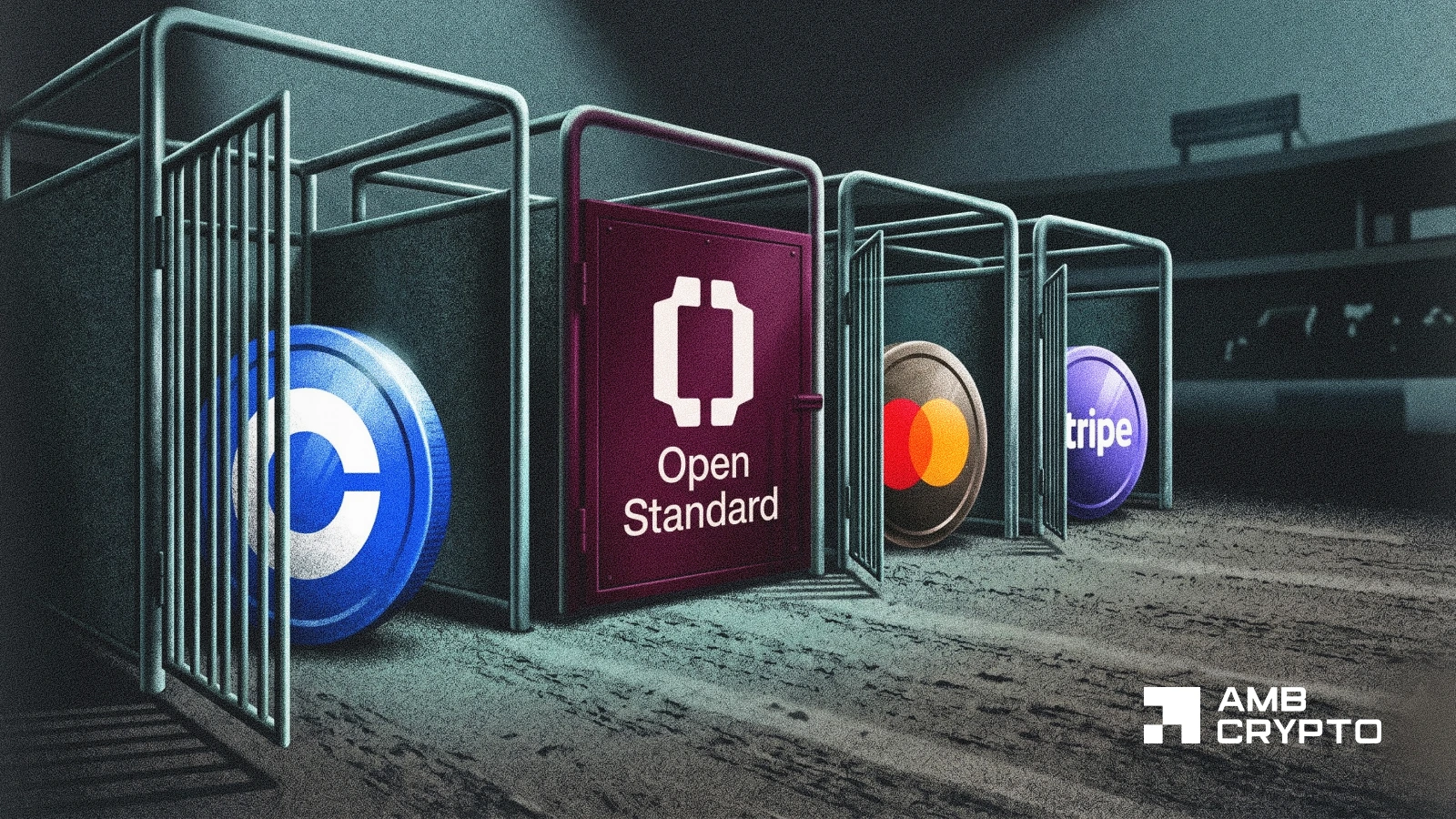
The stablecoin will be supported by Coinbase, Stripe, Mastercard, and Visa. A distinctive feature of OpenUSD is that most yield generated will be shared with participating partners rather than retained by the stablecoin issuer, according to Stripe CEO Patrick Collison.
Market Positioning
OpenUSD enters a stablecoin market currently dominated by Tether's USDT and Circle's USDC. In regulated payments and consumer transactions, USDC holds approximately 54% market share, making it the primary competitive target for OpenUSD. USDT maintains significant dominance in offshore markets as an inflation hedge in emerging markets.
Industry Perspectives
Jorn Lambert, Chief Product Officer at Mastercard, characterized the stablecoin landscape as a multi-chain, "multi-money" future rather than a winner-takes-all scenario. He stated that infrastructure players should offer flexible options for users, with banks, commercial card networks, digital assets, and stablecoins operating within the same financial system.
Visa adopted a similar approach, emphasizing a "multi-coin, multi-chain" strategy. Circle CEO Jeremy Allaire downplayed OpenUSD's competitive threat to USDC, citing existing network effects.