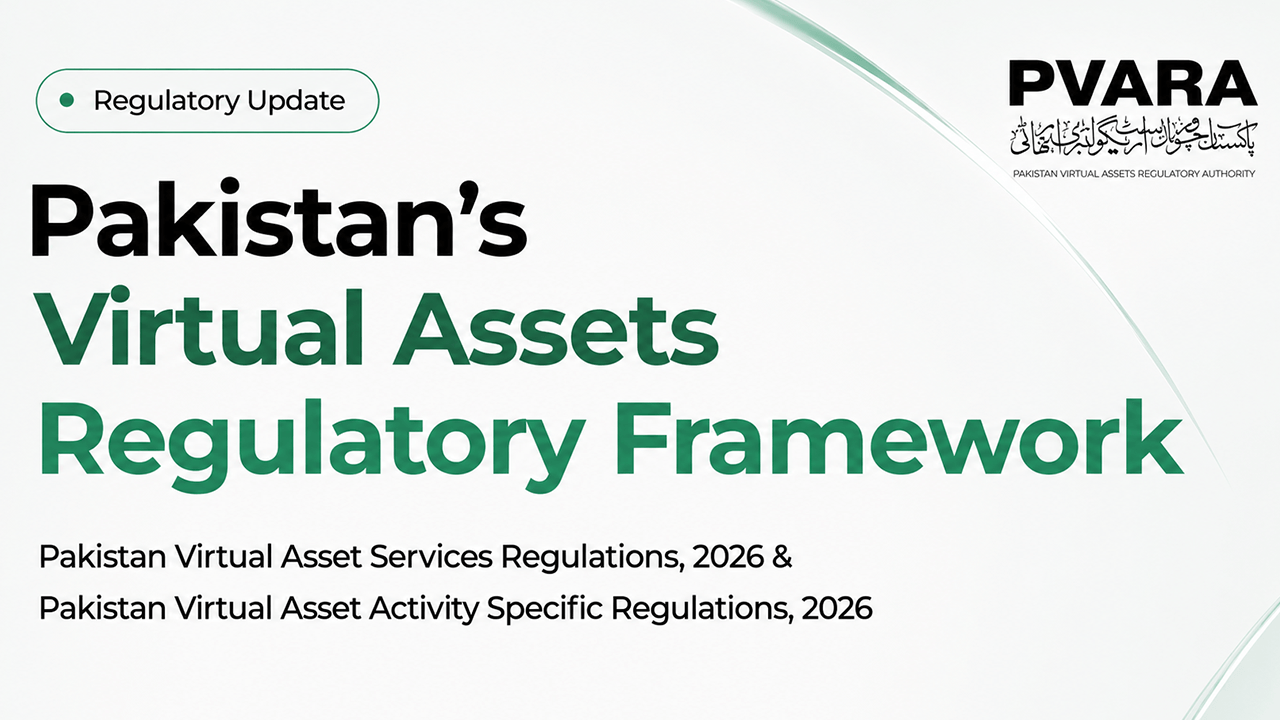
Pakistan has officially launched its virtual asset licensing regime under the Virtual Assets Act, 2026, establishing a hard deadline for existing cryptocurrency businesses to secure regulatory clearance or cease operations.
The Pakistan Virtual Assets Regulatory Authority (PVARA) has given existing virtual asset service providers until Sept. 5, 2026, to file for a no-objection certificate (NOC). Providers that submit complete applications on time are generally permitted to maintain their services while regulators review their filings. Operating without applying after the cutoff becomes an offense under Section 70 of the law.
The regulatory framework follows a six-month transition period established by the Virtual Assets Act, which created PVARA as the federal crypto regulator. Public consultations ran from June 11 through July 2, culminating in final regulations and the operational licensing process in late August.
Estimates indicate that Pakistan hosts a crypto user base of 30 million to 40 million people, with billions of dollars moving through digital assets while much of the sector previously operated outside the formal regulatory perimeter.
Broad Regulatory Scope and Banking Access
PVARA's licensing categories encompass custody, broker-dealer operations, lending, derivatives, asset management, transfers, token issuance, and mining or validation services. Businesses may pursue multiple categories, each subject to specific financial, technological, and compliance standards.
Licensed entities are required to segregate customer assets from company holdings and are prohibited from lending or pledging client assets without explicit written consent. Additional mandates include cybersecurity measures, corporate governance standards, know-your-customer (KYC) procedures, transaction monitoring, suspicious activity reporting, local incorporation, and minimum capital requirements. Key personnel and directors also face suitability evaluations.
A notable benefit for compliant firms is access to traditional banking. A State Bank of Pakistan circular issued on April 14 permits regulated banks to provide accounts—including segregated customer accounts—to licensed virtual asset businesses, lifting restrictions that had been in place since 2018.
Early Entrants and Future Outlook
Firms can pursue an NOC-to-license pathway or enter a regulatory sandbox for supervised product testing. Binance and HTX secured preliminary NOCs in December 2025, positioning them ahead in the transition toward full licenses under the new framework. During the review process, regulators retain the authority to impose temporary restrictions on customer onboarding, product offerings, transaction volumes, or custody arrangements.
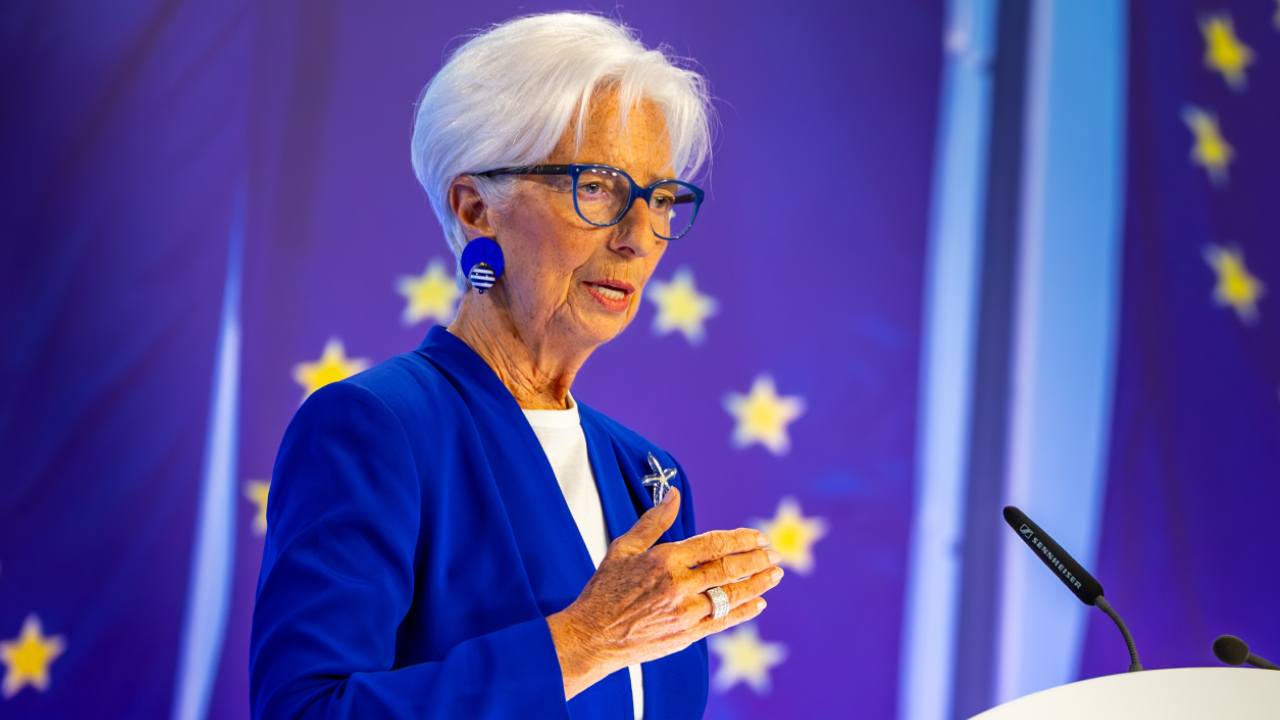
PVARA Chairman Bilal bin Saqib stated that the regime is designed to extend beyond exchange oversight into remittances, cross-border payments, digital exports, trade finance, and tokenized securities.
While tighter supervision aims to provide consumer protections and integration with the traditional banking system, short-term risks include potential service disruptions if widely used providers fail to meet the deadline or face regulatory restrictions during the review phase.