Economist and gold advocate Peter Schiff recently reignited the long-running debate over what gives Bitcoin its value, arguing that the energy consumed by cryptocurrency miners leaves no physical backing behind.
Schiff's comments came in response to Bitcoin maximalist Jeff Swanson, who argued that Bitcoin represents the future of money. Swanson's case rested on three pillars: energy expenditure, a fixed issuance schedule, and record computing power.
Dismissing the premise, Schiff argued that electricity vanishes the moment it is consumed by miners, meaning nothing survives to support the network. In his view, mining destroys value rather than storing it, contrasting it with gold, which physically remains after being extracted from the ground.
The exchange took place against a backdrop of declining hash rates, as some operators have redirected power toward artificial intelligence and miners have left the network this year. However, Schiff did not address Bitcoin's supply cap.
Swanson also pointed to US government debt in his argument. While Swanson pegged the debt at $39 trillion, Treasury department daily figures show total public debt outstanding crossed $40 trillion on August 18 and reached $40.10 trillion by September 3. Schiff did not address the debt comparison or confidence in the dollar.
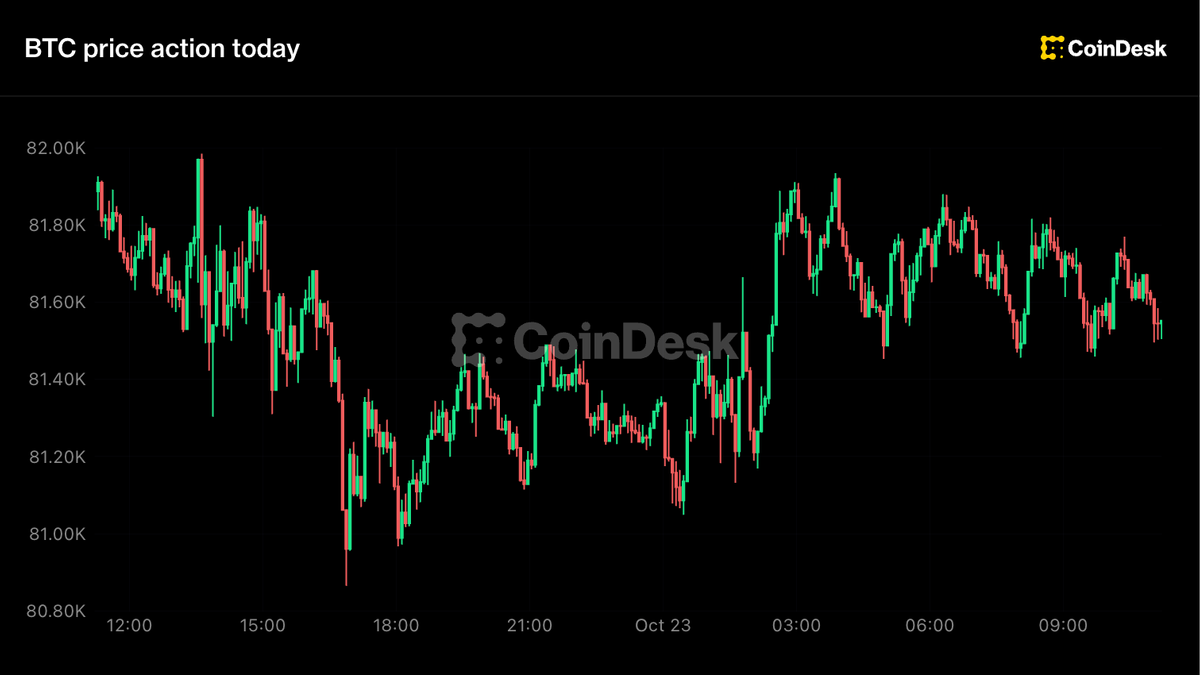
Amid the debate, Bitcoin traded near $79,600 on Sunday, reflecting a roughly 1.5% decline over a 24-hour period.