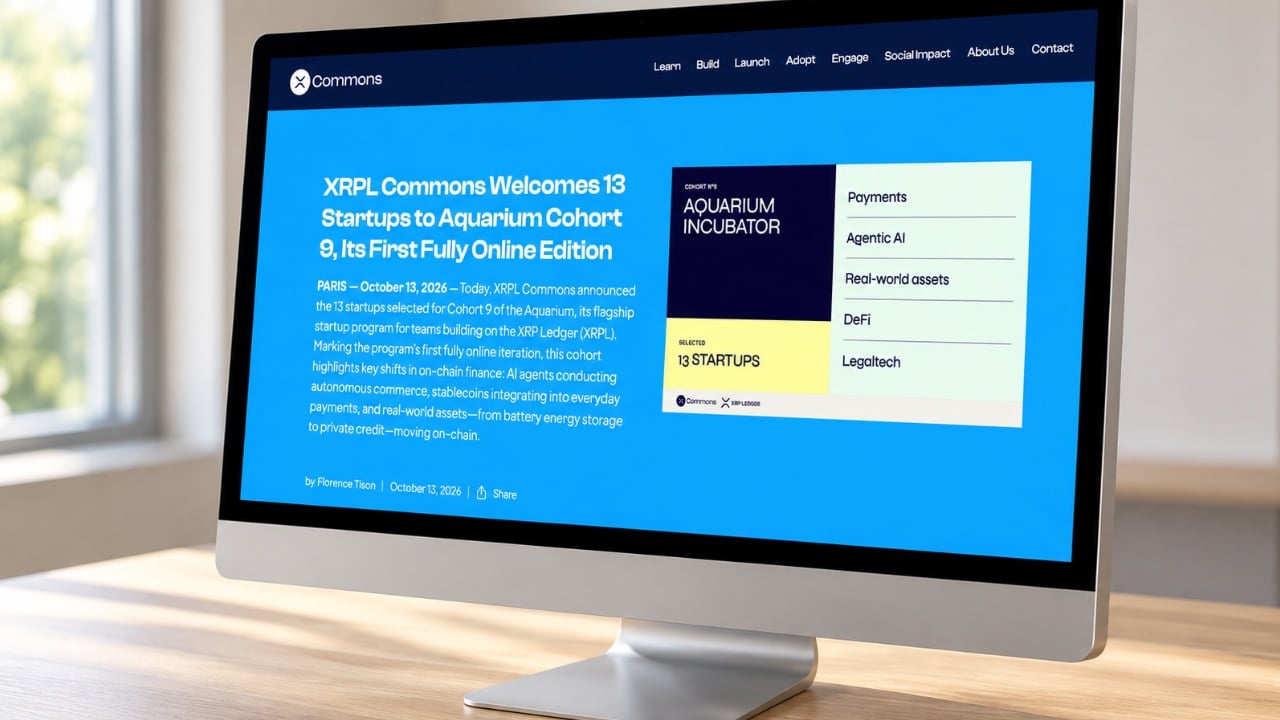
Ripple and Stripe-owned Privy are partnering to embed XRP Ledger wallets directly into payment applications, allowing developers to enable cryptocurrency transfers without requiring users to manage separate wallet software.
The integration lets developers create wallets within their products and authorize transfers of XRP, Ripple's RLUSD stablecoin, and other assets issued on the network. This approach eliminates the need for customers to handle the private keys that authorize spending, while Privy manages the underlying wallet infrastructure.
The partnership also supports exporting keys or recovery phrases, allowing wallets to be transferred elsewhere if needed.
AI Agent Payments Accelerate
A major use case emerging from the integration is enabling AI agents—automated software that completes tasks—to hold and spend funds. Developers can provision multiple wallets funded with cryptocurrency, allowing software to automatically pay for online data and services without human intervention.
RippleX Head of Engineering J. Ayo Akinyele reported that the XRP Ledger processed more than 13 million agent payments, representing roughly 25 percent of ledger activity. Data from the XRPL AI Hub showed more than 14.3 million cumulative transactions across 169 registered merchants as of mid-October.
However, the actual value transferred remained modest. Cumulative payments recorded approximately 6,991 XRP and 12,752 RLUSD, indicating most transactions involved small amounts consistent with software paying for individual requests.
Technical Requirements and Future Development
Wallets created through the integration still require activation funding. Each new XRP Ledger account must receive the network's minimum reserve of 1 XRP before it can transact, even if intended solely for stablecoin payments.
Ripple began offering developers AI payment tools in June, with expansions in September to support payment standards developed by Stripe and blockchain Tempo. The companies indicated they will deepen integration over time, including adding policy controls and tools to cover users' network fees.