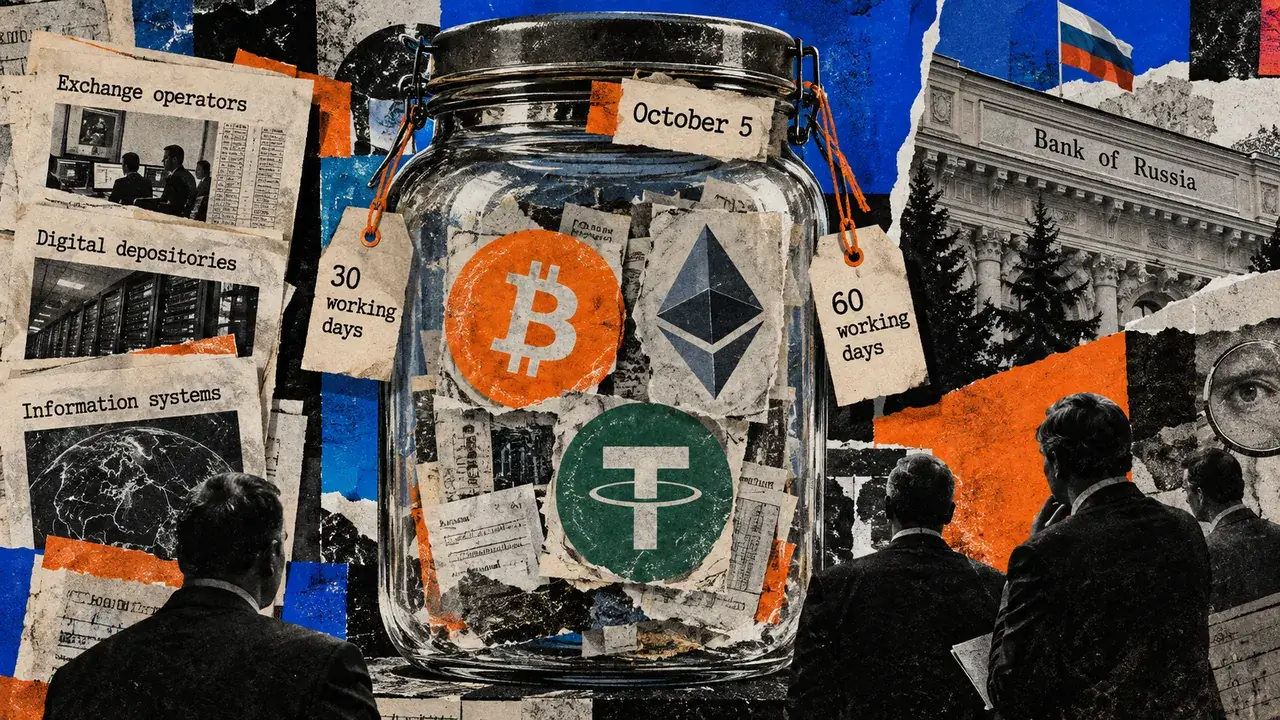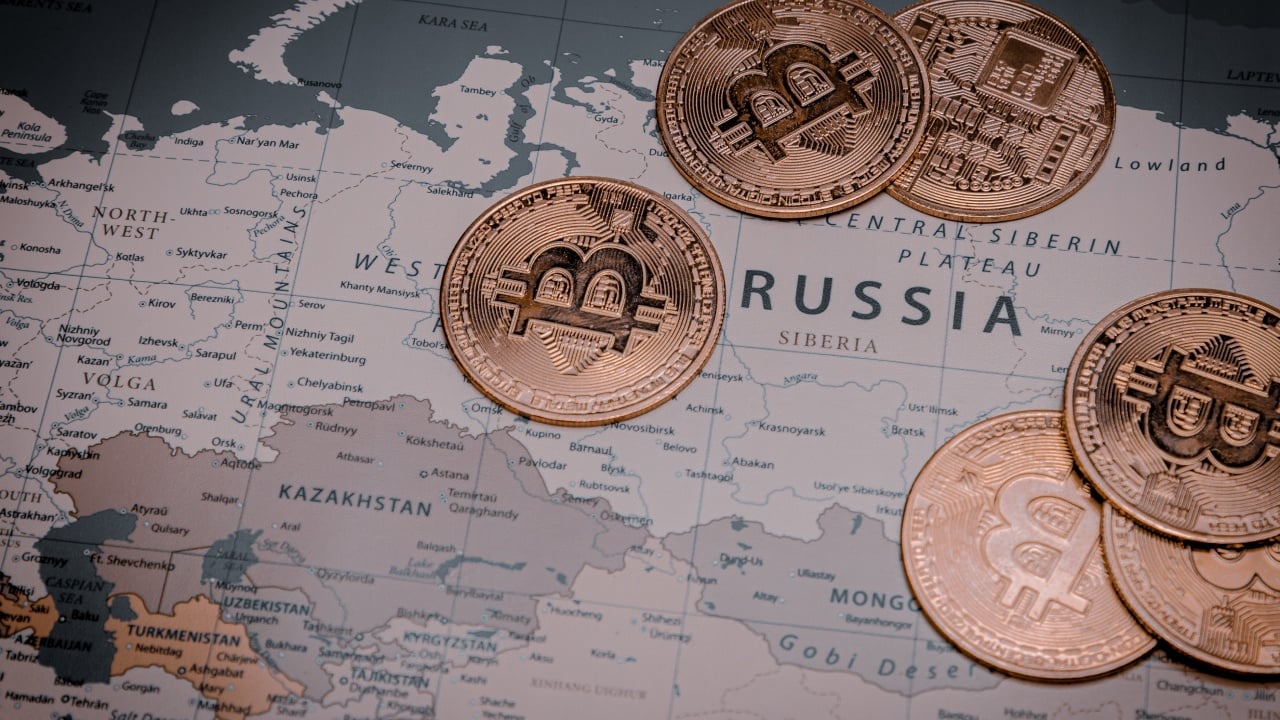
Russia has emerged as a significant player in global cryptocurrency adoption, ranking 16th among nations for crypto adoption according to the latest Global Crypto Adoption Index Report by Chainalysis. Deputy Finance Minister Ivan Chebeskov estimates that at least 20 million Russians have invested in crypto products, with more expected as regulations to license domestic exchanges take effect.
The 3.7 trillion rubles (approximately $44 billion) held by Russian crypto users are distributed across three primary use cases, according to an investigation by Izvestia.
Foreign Trade Settlements
The first major pool of cryptocurrency assets is used for foreign trade payments. With Russia facing disconnection from the SWIFT banking system and potential secondary sanctions affecting transactions with third countries, cryptocurrency provides an alternative settlement method for dual-use goods like microelectronics and automotive components. Stablecoins are particularly suited for this purpose due to their price stability, as noted by Finam analyst Alexander Potavin.
Mining Operations
The second pool consists of assets invested in cryptocurrency mining. Russia ranks second globally in hashrate, behind only the United States. Mining operations drive investment in electrical infrastructure, data centers, and electricity, creating jobs and generating tax revenue. The government anticipates these revenues will increase in coming years.
Speculative Trading and Savings
The largest portion of Russian crypto assets is held in speculative trading and savings accounts on foreign exchanges. In response, Russia has begun implementing legislation to bring these funds into the country's regulated domestic exchange sector, allowing both qualified and non-qualified investors to hold and trade cryptocurrencies within Russia.
Domestic Restrictions
Despite crypto adoption, the Russian government prohibits cryptocurrency use for everyday domestic payments. Instead, authorities are directing focus toward the digital ruble, a central bank digital currency under direct state supervision. Officials have stated there is no need to increase domestic demand for bitcoin and other digital assets, viewing this as a potential risk to financial stability.