Samsung Wallet's Stablecoin Account became available on November 2 for eligible US Galaxy users, according to a November 5 launch confirmation from the Solana Foundation. The feature places USDC on Solana inside a familiar wallet app rather than requiring users to install a separate cryptocurrency application.
What the feature supports
The Foundation said eligible users can buy, hold, send and receive USDC over Solana within Samsung Wallet. Bastion provides licensed custody and infrastructure, with Coinbase serving as sub-custodian through Coinbase Prime Vault. Customers interact with a familiar interface, while their assets depend on a chain of infrastructure and custody providers.
US customers can transfer USDC to other eligible Samsung Wallet users and compatible external wallets. The announcement said Samsung charges no transfer fee for these routes, though other providers may charge fees. A separate path allows eligible users to send funds to qualifying bank accounts in more than 60 countries, potentially arriving as local currency. Available corridors and charges vary by destination.
The feature sits inside Samsung Wallet's Quick access area alongside payment cards and everyday credentials.
Eligibility and device reach
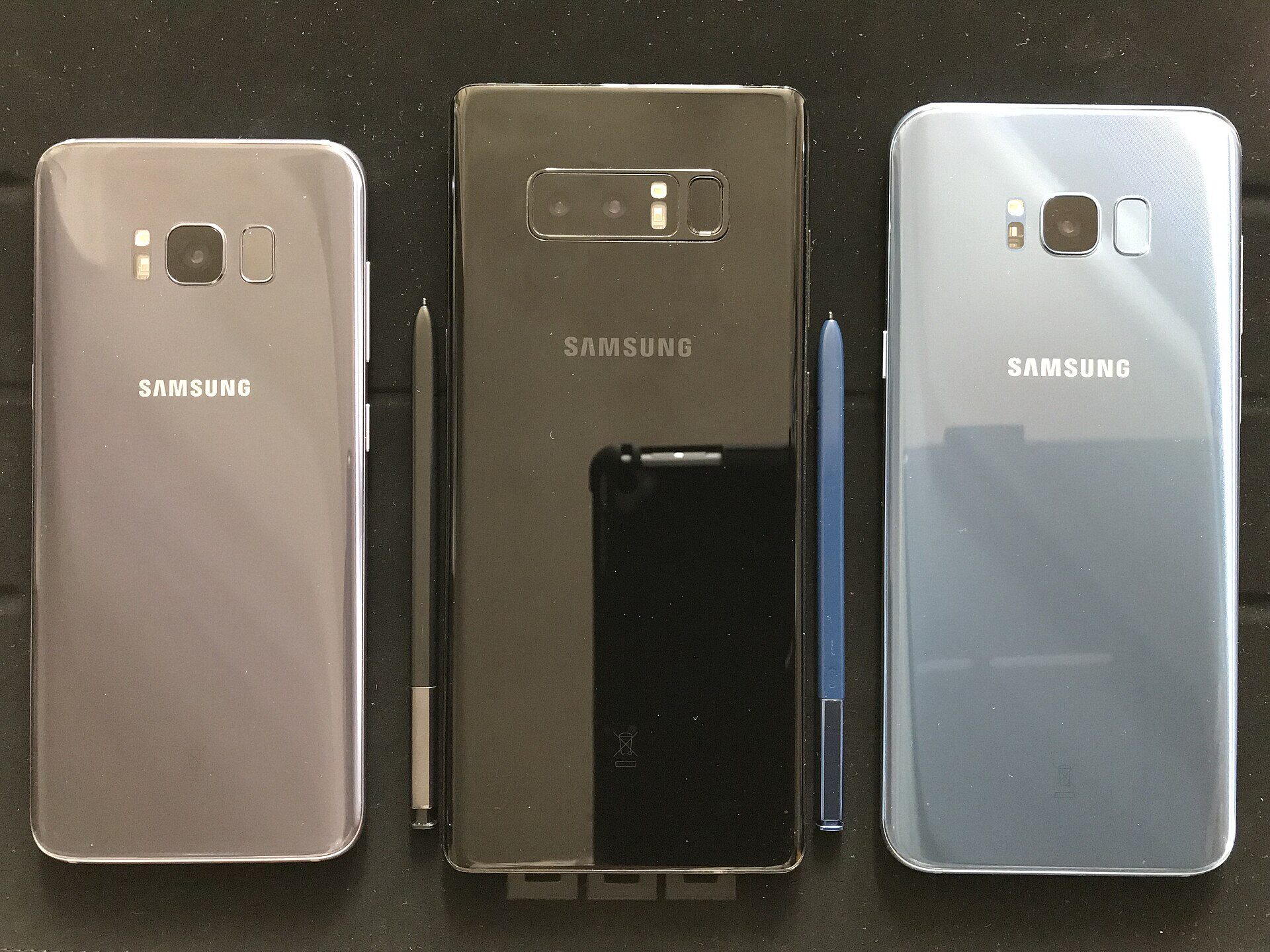
The announcement refers to approximately 82 million compatible Galaxy devices in the United States. That figure represents potential access, not adoption, and says nothing about activated accounts, completed transfers, average transaction size or returning users.
According to the Foundation, users must be at least 18, reside in the US, have a Samsung account and use a compatible Galaxy device running Android 13 or later. New York residents are excluded at launch. These requirements make the reachable population smaller than the device figure.
What remains to be measured
Samsung has described potential future expansion into online and in-store stablecoin payments and additional markets, subject to regulation. Those are not live features simply because the stablecoin account has launched.
A fair assessment will require active-account numbers, real-world fees, payout times, failed-payment handling and whether the feature reduces friction relative to existing remittance services. The verified news is that the service is now operational for a defined group of customers.