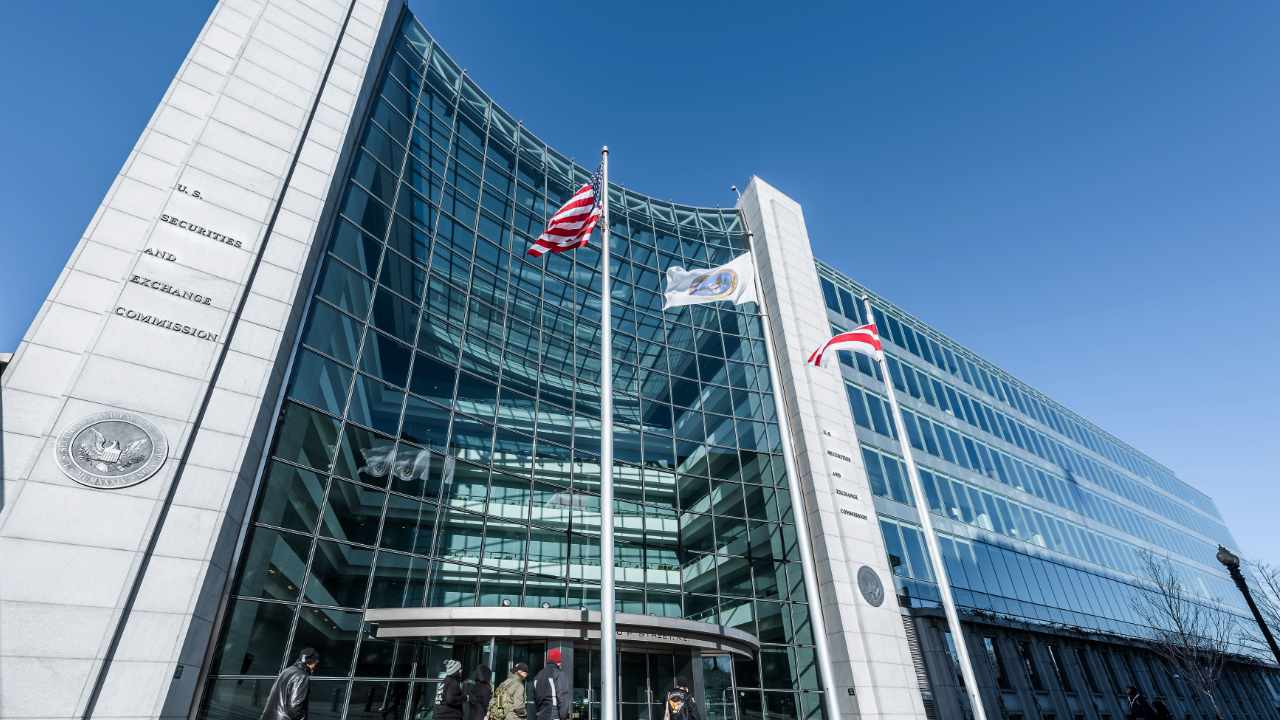
The U.S. Securities and Exchange Commission has charged eight Colorado-based entities with defrauding U.S. investors of more than $37 million by posing as investment advisers or representatives of crypto asset trading platforms, the agency said in a Thursday press release.
The SEC described the purported platforms as fronts designed to steal investor money. It alleged that individuals overseas likely operated the entities and used social media advertisements to draw investors into private chat groups.
How the alleged scheme worked
According to the SEC, the operators first offered stock-trading advice and then persuaded victims to transfer money to fake crypto platforms, where the victims believed they were buying genuine crypto assets.
The perpetrators allegedly created fake SEC certificates and submitted filings with the SEC, FINRA and FinCEN to make the operations appear legitimate.
The alleged scheme ran through four successive adviser-platform pairs from August 2024 to May 2026, with operators switching pairs every few months, the SEC said.
Entities charged
The eight entities charged were:
- Advisor WeChat Capital
- Tech Brokerage Asset Alliance Ltd.
- HB Wealth Advisors
- IdeaCrypto Exchange LLC
- Convergent Wealth Advisors Inc.
- RealSimple Crypto Exchange Inc.
- Associated Wealth Advisors Ltd.
- Essential Crypto Exchange
SEC warning and enforcement context
The SEC said it had previously warned investors that scammers used investment-related group chats to promote fraud schemes, including by impersonating financial professionals, according to a December 2025 alert.
Laura D’Allaird, chief of the SEC Enforcement Division’s Cyber and Emerging Technologies Unit, said: “The SEC continues to seek out and expose fraudulent investment scams that prey on U.S. investors.” She encouraged the public to report such schemes through the agency’s online portal.
During fiscal year 2026, the SEC filed 348 enforcement actions, down 23.7% from 456 a year earlier. The agency filed 13 crypto-related actions in calendar year 2025, down from 33 in 2024, according to Cornerstone Research.