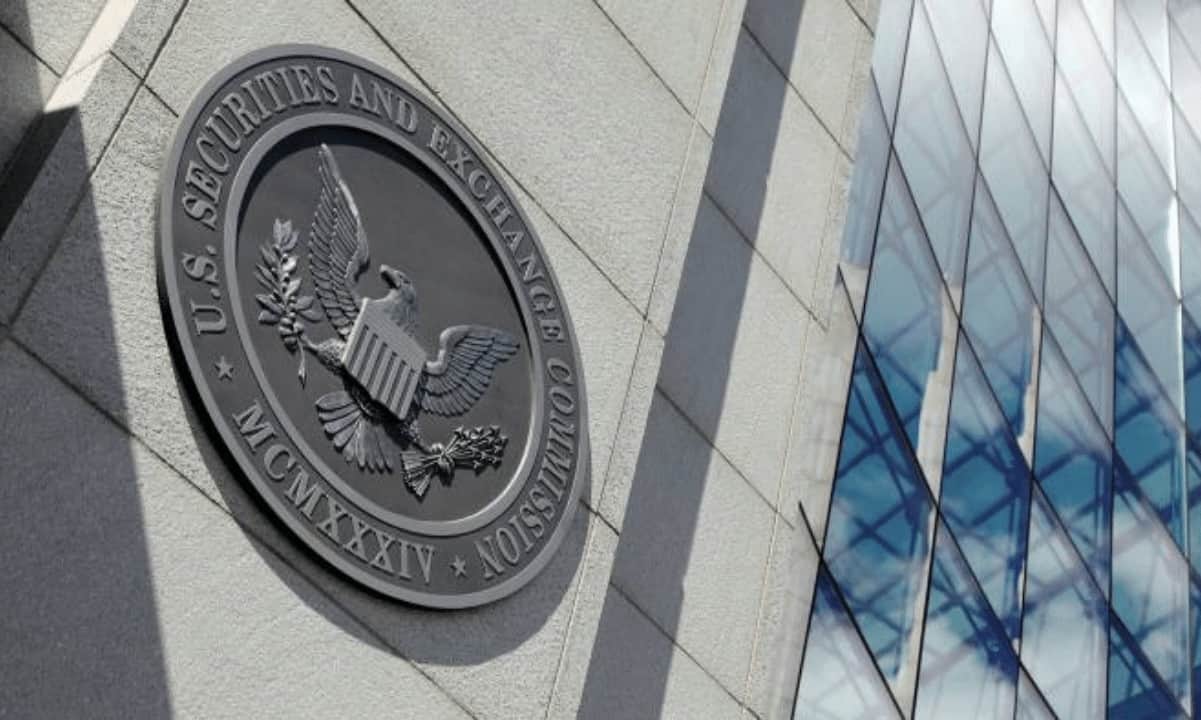
The U.S. Securities and Exchange Commission announced an "innovation exemption" on Thursday that grants tokenized securities venues a five-year permit to operate without formal exchange registration.
Under the exemption, blockchain-based trading platforms can provide automated market makers and liquidity pools for tokenized securities. The venues will manage asset pools and use algorithm-driven automation to facilitate trading activity, according to the SEC.
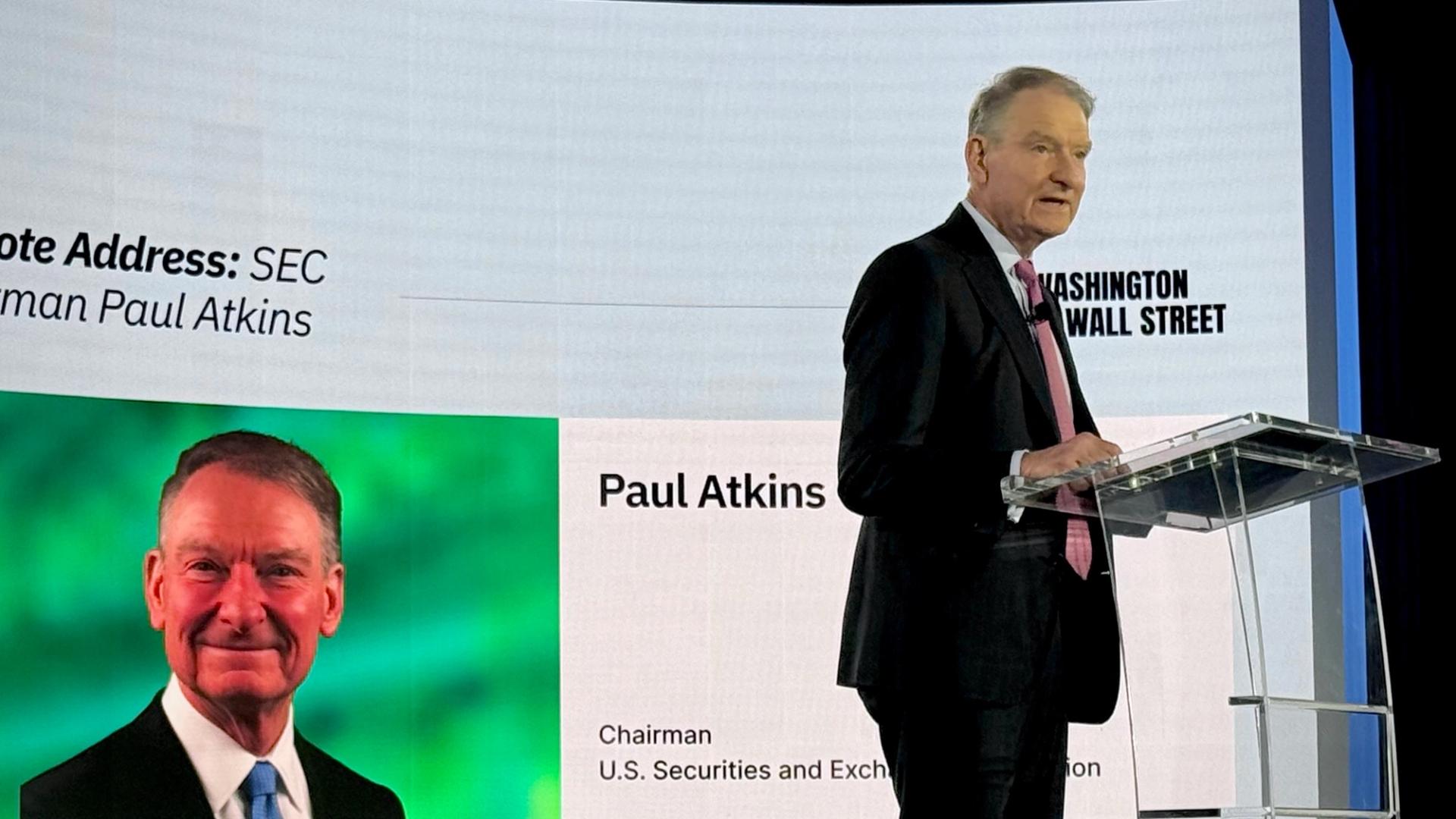
SEC Chairman Paul Atkins said the measure represents "a significant step forward" to bring American capital markets into the digital age by facilitating onchain trading of tokenized stocks. He noted that tokenized securities must provide holders with the same rights as traditional securities, including dividend and voting rights.
Scope and Restrictions
The SEC explicitly excluded synthetic security tokens and derivatives that do not provide actual ownership of underlying shares. Only tokens representing real ownership of stock qualify for the exemption.
The regulator does not require formal designation of venues. Platforms that meet the SEC's definition and comply with conditions only need to provide notice before beginning operations.
Protections for Issuers
To protect securities issuers, tokenized securities venues must provide 30 days' notice before tokenizing another company's securities and must give that company an opportunity to object to the tokenization.
Temporary Framework
Chairman Atkins characterized the exemption as temporary, allowing firms to operate "in a permissioned environment" while the SEC considers additional regulatory action. He stated the measure "must be followed by durable rulemaking" to ensure onchain markets remain viable as capital markets evolve.
The announcement came days after the Digital Asset Market Clarity Act stalled in the U.S. Senate, failing to secure the 60 votes needed to advance the sweeping crypto market-structure legislation.
Industry Context
Tokenization converts familiar assets such as stocks, bonds, and investment funds into blockchain-based representations, potentially enabling faster settlement, continuous trading, and lower costs. Global asset managers, banks, and market infrastructure firms have been exploring the technology. Citi analysts estimated that tokenized assets could reach a $5.5 trillion market by 2030.