The US Securities and Exchange Commission has introduced an "Innovation Exemption" designed to facilitate secondary trading of tokenized stocks on blockchain-based protocols. The order, issued on September 17, provides temporary, conditional relief to Tokenized Securities Venues (TSVs) from being classified as exchanges under the Securities Exchange Act.
Under the exemption, TSVs can facilitate trading of tokenized National Market System stocks through permissioned automated market makers (AMMs) and liquidity pools. The SEC has also granted conditional relief from dealer registration requirements to certain liquidity providers who supply tokenized stocks to these pools.
Key Safeguards and Requirements
The exemption includes several important safeguards. Tokenized shares must provide holders with the same rights as equivalent traditional stocks. Trading volumes and the number of available securities will be limited.
Smart contracts used by TSVs must be publicly auditable and deployed on public, permissionless blockchains. Trading must halt whenever the underlying stock is suspended on its primary exchange.
SEC Statement on the Exemption
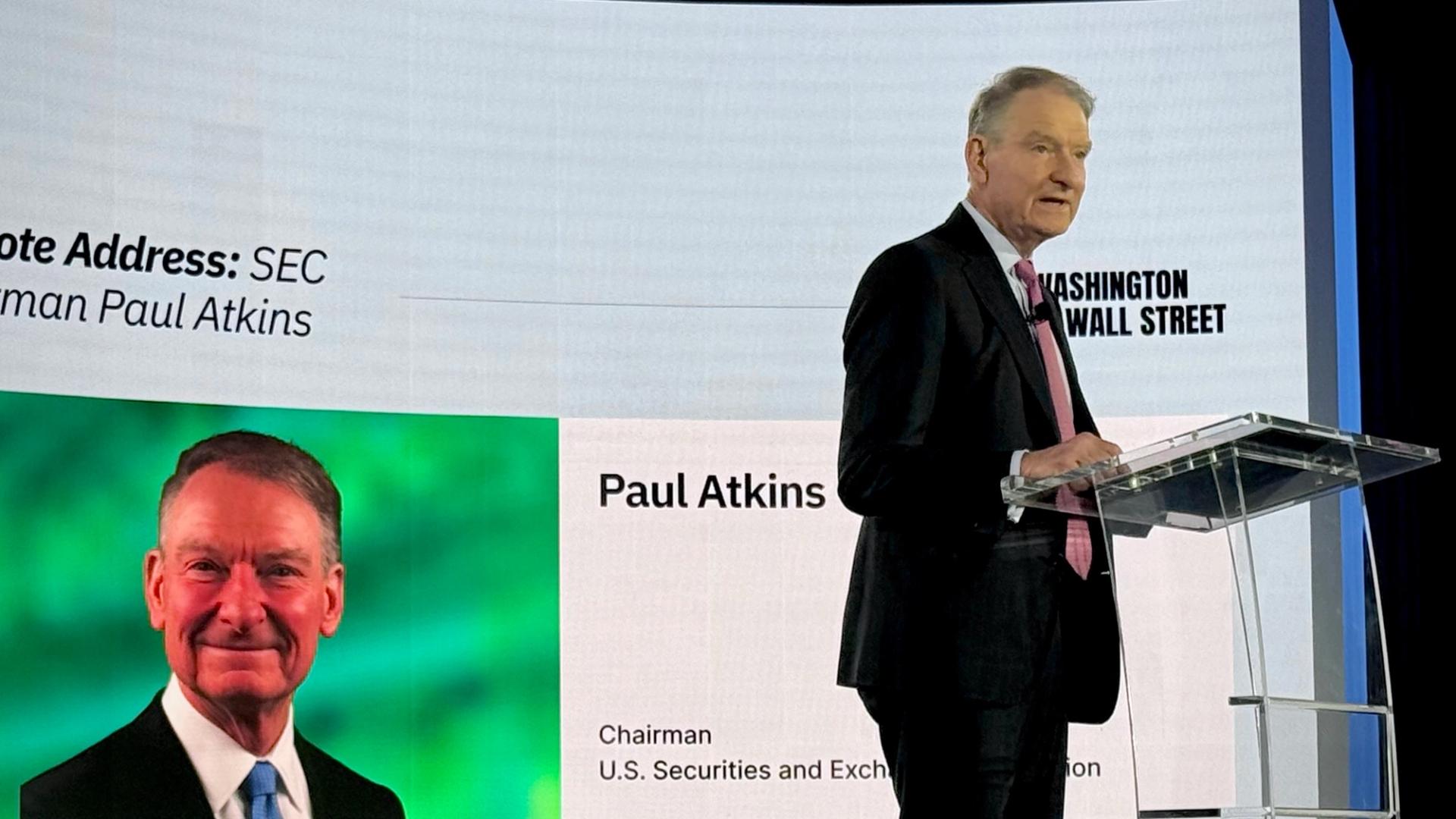
SEC Chairman Paul Atkins commented on the measure: "The Innovation Exemption, while temporary, would allow TSVs to trade tokenized NMS stock in a permissioned environment today while the Commission considers the need for additional action to facilitate onchain trading. As we take this important first step, we invite public comment on all aspects of the Innovation Exemption to help inform the Commission as it considers further changes."