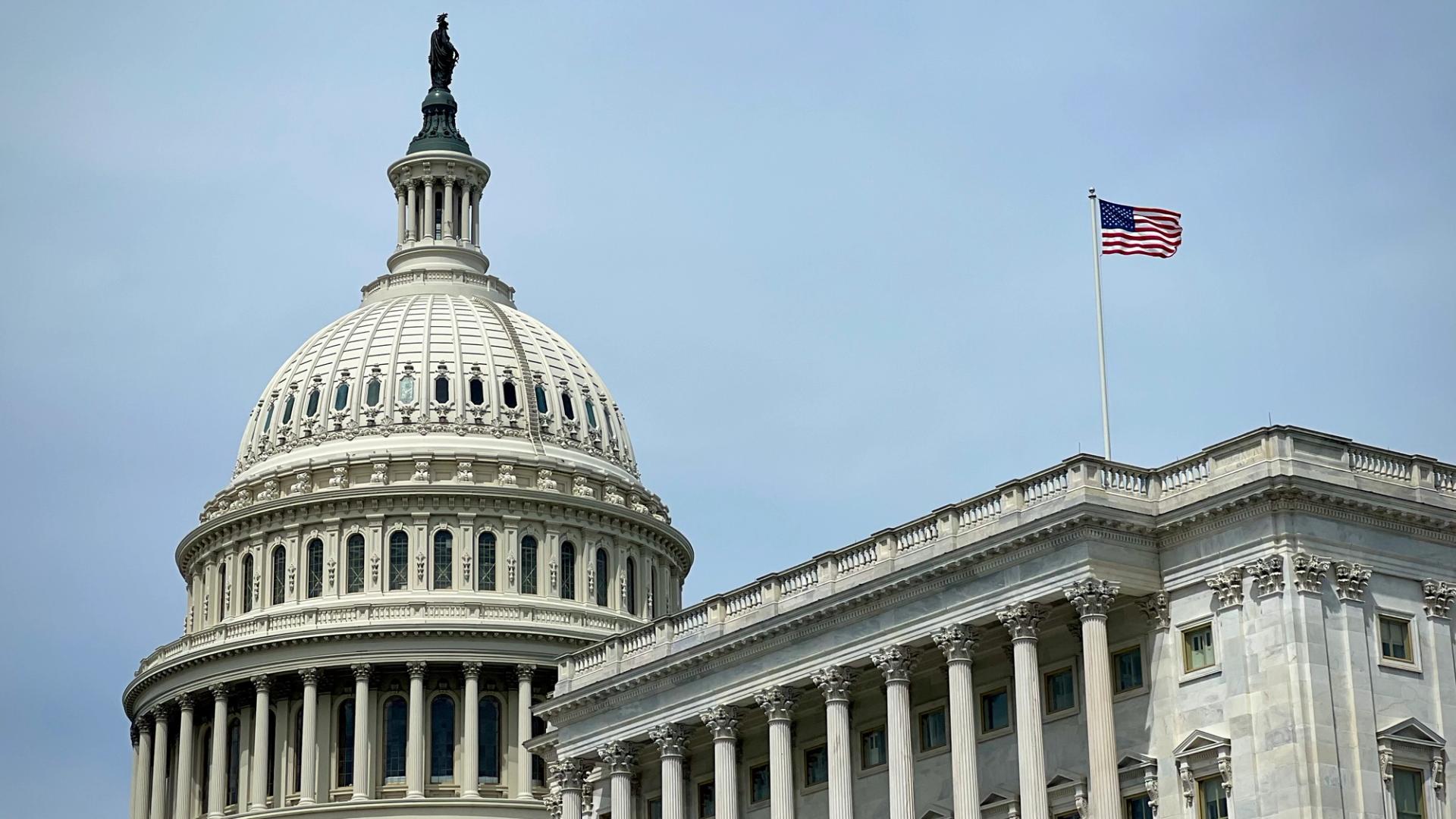
The Senate will vote on cloture for the Clarity Act at 2:15 p.m. ET Tuesday, with supporters needing 60 votes to advance H.R. 3633 to floor debate. The procedural vote requires approximately seven Democratic crossovers, given Republicans' 53-seat majority.
Senator Cynthia Lummis, a Wyoming Republican and long-time digital assets advocate, argued that the revised bill addresses Democratic concerns and should proceed to a final vote. The final text incorporates more than 120 negotiated changes requested by Democrats, including new ethics restrictions that apply to the president, vice president, members of Congress, and federal judges.
"It's now or never for the Clarity Act," Lummis posted on social media, cautioning that failure to secure cloture would effectively end prospects for the legislation in 2026 given the upcoming midterm campaign calendar.
The Clarity Act divides regulatory oversight of digital assets between the SEC and CFTC, providing most tokens with a defined regulatory framework for the first time. The House passed its version in July 2025 by a vote of 294-134. The Senate Banking Committee approved the bill in May 2026 by 15-9, with only two Democratic votes in favor.
The White House agreed to new ethics provisions barring federally elected officials, judges, and their spouses from issuing or sponsoring digital assets, with enforcement authority granted to state attorneys general and no expiration date.
Not all Democrats support the revised language. Senator Elizabeth Warren, the Banking Committee's top Democrat, plans to argue that the new rules leave gaps in enforcement and do not adequately address World Liberty Financial. Other Democratic senators have raised concerns about consumer protections and illicit-finance safeguards.
Prediction markets have shown significant volatility around the bill's prospects. Polymarket odds on the Clarity Act becoming law in 2026 reached 35% on Monday but fell to 19% by Tuesday following a Democratic counterproposal. Market trackers currently estimate a 55% chance more than 50 senators will vote yes, but only a 32% chance the bill clears the 60-vote threshold required for cloture.
If the cloture vote fails, the bill would be effectively dead for 2026, with the legislative calendar dominated by midterm campaigning.