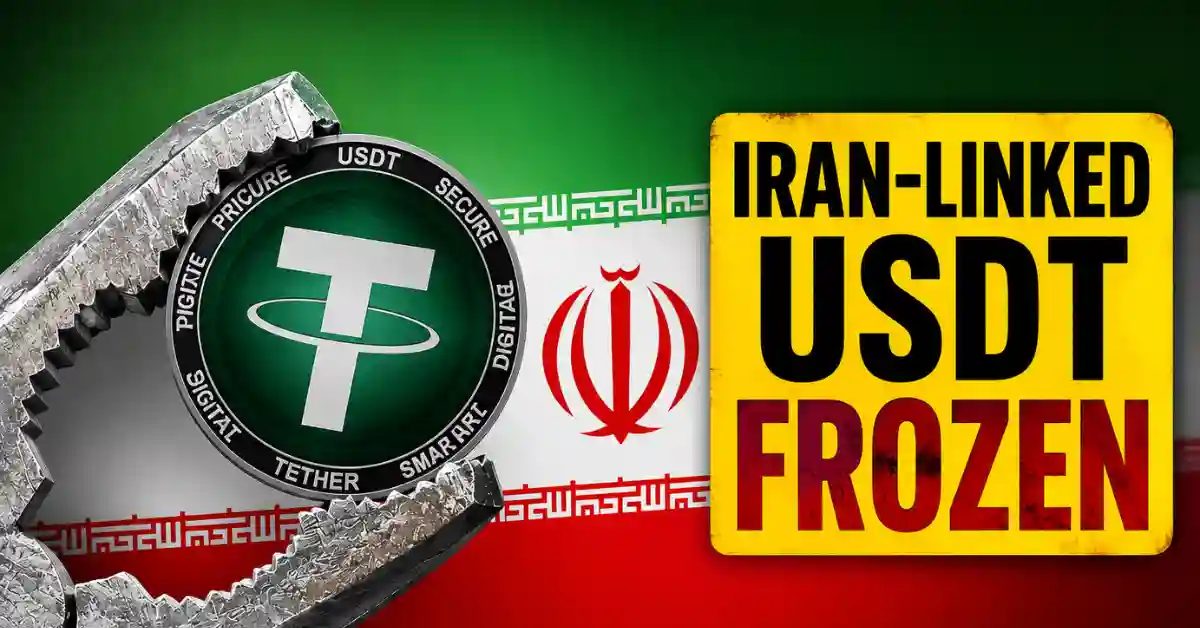
Stablecoin issuer Tether has confirmed it assisted U.S. law enforcement and sanctions authorities in freezing approximately $550 million in Iran-linked USDT during 2026. The action reflects heightened U.S. sanctions on Iran's financial networks and increased scrutiny of stablecoins in enforcement efforts.
2026 Freeze Actions
In April 2026, Tether helped freeze more than $344 million in USDT across two wallets. The following day, the Office of Foreign Assets Control (OFAC) added the same wallets to its list of digital currency addresses linked to Iran's Central Bank.
In July 2026, Tether froze more than $130 million in USDT across four wallets after the U.S. Treasury added four TRON addresses linked to the Central Bank of Iran.
Together, the April and July actions accounted for more than $474 million in frozen USDT. An additional roughly $75 million was frozen through smaller actions between January and September 2026, bringing the total to around $550 million.
Broader Cooperation Record
The Iran-linked freezes are part of a larger cooperation framework. Tether works with more than 340 law enforcement agencies across 67 countries, resulting in more than $4.9 billion in assets being frozen, including over $2.4 billion connected to U.S. authorities.
Tether has also collaborated with Israel's National Bureau for Counter Terror Financing (NBCTF). The company has frozen more than $22 million in USDT across over 40 cases. Following the NBCTF's publication of 187 crypto addresses linked to the IRGC in September 2025, blockchain analytics firm Elliptic reported that Tether blacklisted 39 of those addresses, freezing around $1.6 million in USDT.
Blockchain Visibility and Future Cooperation
Tether CEO Paolo Ardoino stated that the company can act when authorities provide reliable information about suspected illicit activity. He noted that public blockchains provide authorities with visibility into fund movements that does not exist with cash, and that Tether remains in direct contact with U.S. and international authorities as governments work to stop sanctions evasion and terrorist financing.