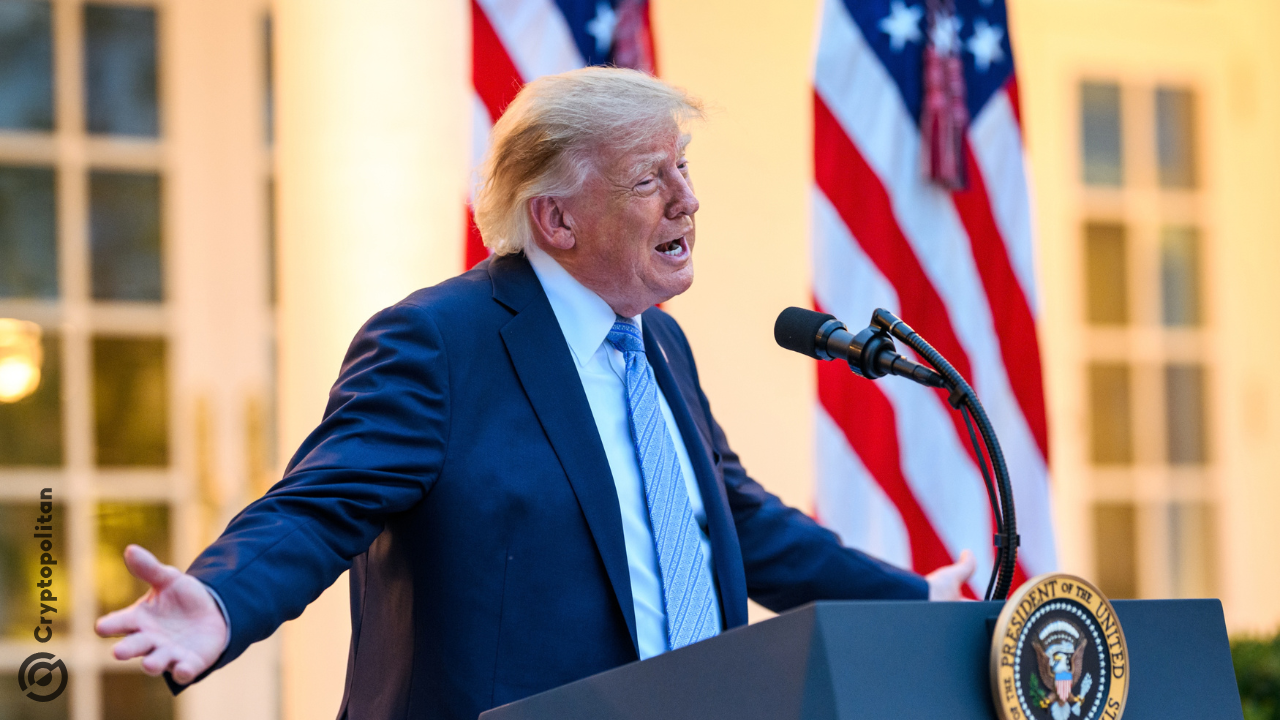
President Donald Trump has rejected Iran's seven-day ceasefire proposal, leaving the Strait of Hormuz closed and nuclear negotiations stalled. The rejection comes as regional mediators including Qatar continue efforts to restart U.S.-Iran discussions.
Iran's proposal included three core demands: removal of the U.S. naval blockade on Iranian ports, unfreezing of Iranian assets, and lifting of restrictions on Iranian oil exports. In return, Tehran offered to reopen the Strait of Hormuz and begin negotiations over its nuclear program.
Trump has communicated to Iran and mediators that he does not intend to lift the maritime embargo. The U.S. position reflects the assumption that sustained economic pressure will eventually bring Iran to terms acceptable to Washington and Gulf Arab states.
Military Options Remain
U.S. officials indicate Trump expects American military operations against Iran may resume following the November midterm elections. The size and scope of any future strikes have not been determined, though officials noted Trump is reluctant to restart a major combat campaign due to concerns about preserving weapons stockpiles for other potential conflicts.
Trump's approach has fluctuated between negotiations, strikes, and increased sanctions. Officials suggested his position could shift in coming weeks, potentially influenced by midterm election results.
Diplomatic Channels and Political Pressure
Communications between Washington and Tehran continue through mediators, including discussions of Iran's nuclear program. An American-led operation assisting oil tankers through the Strait of Hormuz has reduced immediate pressure on the U.S. to reach an agreement.
The Senate this week rejected a war powers resolution aimed at restricting Trump's authority over Iran operations, despite the measure's passage in the House. Trump stated at the United Nations General Assembly that electoral politics would not influence his Iran policy, declaring: "The only thing that does is that Iran will never have a nuclear weapon."
Iran's Internal Divisions
Iranian diplomats have proposed several plans to halt the conflict and acknowledged the country's worsening economic crisis. However, the Islamic Revolutionary Guard Corps has adopted a different position, stating it will not consider new deal structures and is prepared for prolonged conflict.