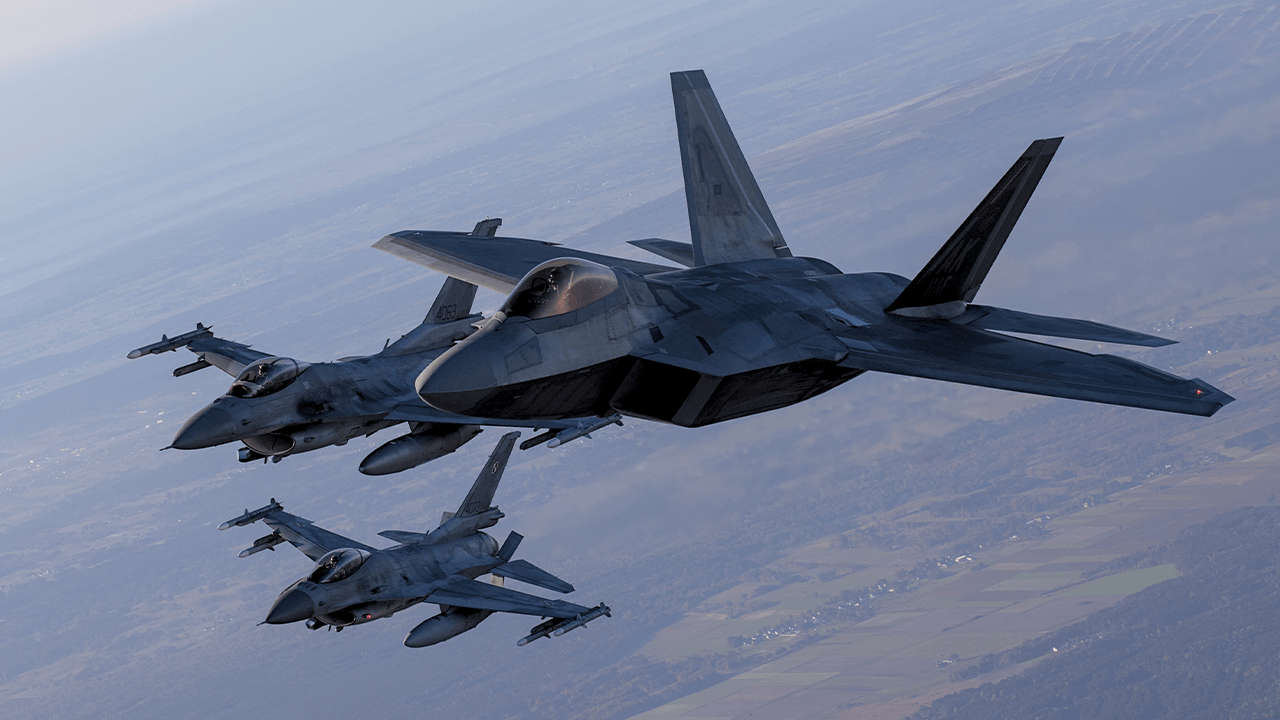
U.S. Central Command struck Iranian Revolutionary Guard Corps rocket launchers near the Strait of Hormuz on August 30 after detecting preparations for another mining operation. The operation ended a roughly monthlong lull in direct military exchanges between Washington and Tehran.
CENTCOM stated that Islamic Revolutionary Guard Corps units were preparing rockets fitted with sea mines for launch into the strait. The Pentagon framed the strike as preemptive, noting that U.S. forces had recently cleared Iranian sea mines from internationally recognized shipping lanes. Iran's IRGC spokesman Gen. Hossein Mohebi called the operation a "fatal mistake" and vowed retaliation, with Iranian media reporting deaths and injuries.
Oil Markets React to Renewed Hormuz Risk
Brent crude futures climbed sharply following the strike. Brent traded between roughly $89.71 and $90.60 on Sunday evening, briefly exceeding the $90 mark after closing Friday near $88.10. West Texas Intermediate crude moved toward the mid-$84 range.
The Strait of Hormuz, which separates Iran from Oman and connects the Persian Gulf to the Arabian Sea, is a critical global energy corridor. Renewed fighting raises concerns about potential disruptions to shipping traffic, which has already thinned to only a handful of vessels on some days.
Broader Market Response
Equity futures showed more muted reactions. Dow Jones futures fell approximately 0.1%, while S&P 500 futures slipped roughly 0.1% to 0.17%, and Nasdaq-100 futures hovered near unchanged to slightly negative. Bitcoin declined about 0.6% following reports of the strikes, trading in the low-$77,000 range by 8 p.m. EDT.
Escalation Risks Ahead
The conflict timeline dates to February 28, when joint U.S.-Israeli strikes began months of intermittent fighting. A June 17 agreement designed to halt fighting and reopen the strait during 60 days of negotiations unraveled in July. Since then, Washington has employed military pressure, naval blockade, and sanctions threats to curb Iran's ability to disrupt shipping. Iran has maintained its position around Hormuz as leverage.
The immediate market impact depends on Tehran's response. A limited retaliation could preserve the current pattern of contained exchanges, while broader attacks could widen the conflict and further pressure energy markets.