Trading volume for tokenized stocks on decentralized exchanges (DEXs) experienced substantial growth, rising 10,163.7% year over year to reach $48.7 billion. Uniswap led the category, accounting for $17.1 billion of the total volume.
In late September 2026, 30-day tokenized stock trading volume on DEXs reached $20.9 billion. Combined figures for Uniswap's v4 and v3 deployments handled approximately $12.6 billion of that flow, representing a 60.1% market share. Specifically, Uniswap v4 held 40.7% of the market, while the v3 version captured 19.4%. Quarterly data indicates that tokenized stock DEX volume totaled $7.8 billion in the third quarter of 2026.
Growth in DEX Activity and Infrastructure
Tokenized equities accounted for roughly 0.1% of total DEX spot volume at the end of 2025, but that share climbed to over 4% in 2026. Cumulative figures for the first three quarters of 2026 reached around $16 billion.
Infrastructure developments supported the expansion. Robinhood Chain launched in July 2026 and surpassed $3 billion in cumulative tokenized stock volume by late September. Solana and BNB Chain also contributed to overall activity. Additionally, Uniswap introduced Permissioned Pools in v4 on July 23, 2026, enabling issuers of regulated assets to apply participation restrictions and address securities compliance obligations while utilizing Uniswap's liquidity.
Market Dynamics and Considerations
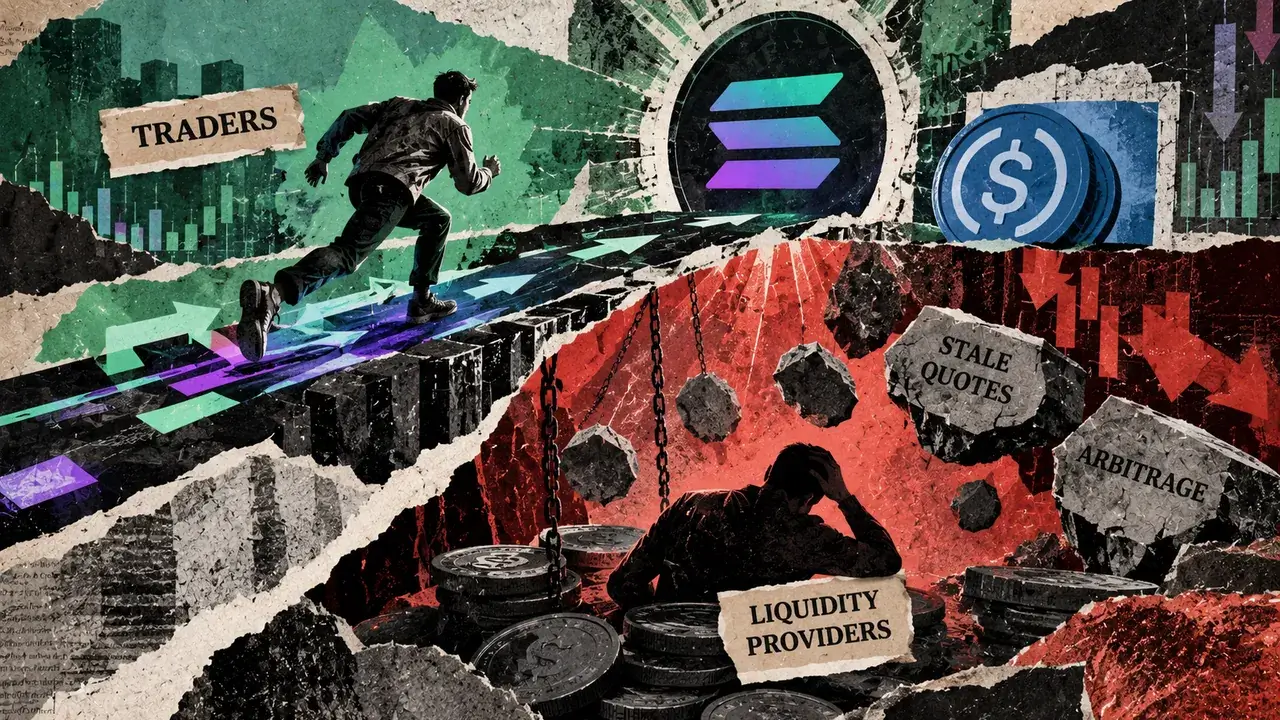
The appeal of tokenized stocks on DEXs includes round-the-clock market availability, contrasting with traditional exchange operating hours. However, liquidity remains split across Uniswap v4, Uniswap v3, Robinhood Chain, Solana, BNB Chain, and other venues, which can result in thin individual pools where large orders may impact prices.
Investors must navigate compliance and operational risks, as tokenized shares carry additional layers involving the underlying structure, venue, issuer, and blockchain network compared to traditional stock trades.