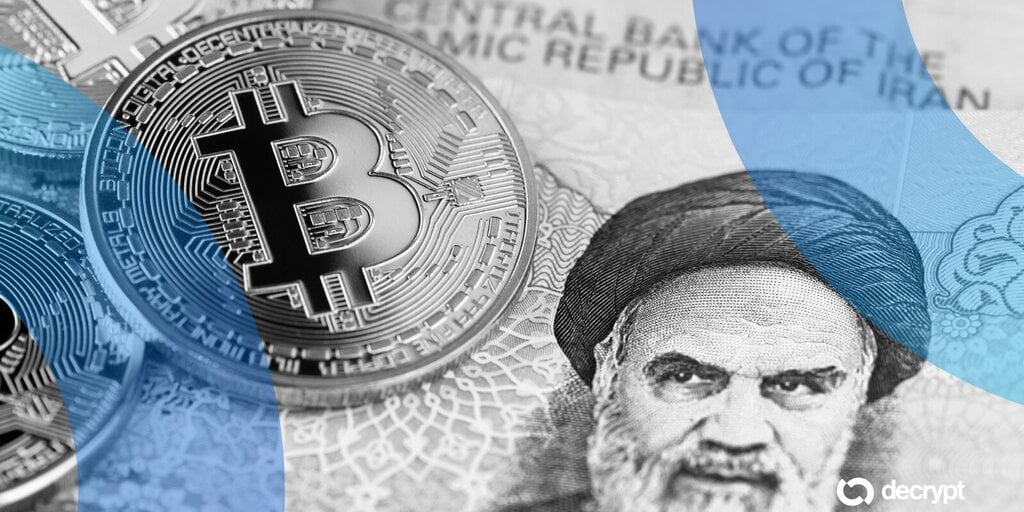
U.S. prosecutors are seeking forfeiture of approximately $61 million in cryptocurrency allegedly connected to black-market Iranian oil sales. The civil complaint, announced Monday, targets funds prosecutors say were intended to finance Iran's government and military.
The complaint alleges that Chinese companies Blessed Trust and Hexa Whale used Binance trading accounts to launder proceeds benefiting Iranian entities, including the Islamic Revolutionary Guard Corps, which is designated as a terrorist organization by the U.S.
According to the filing, Blessed Trust operated as a wealth management and cryptocurrency custody business that converted Iranian oil payments from conventional currency into cryptocurrency. Hexa Whale, described as a commodities broker, allegedly provided similar services.
Prosecutors say the companies helped route payments through interconnected wallets identified as "Entity A," which received and distributed more than $1.5 billion in oil proceeds. The wallets allegedly sent funds to IRGC-linked businesses, cryptocurrency addresses, and an Iranian exchange.
"By cutting off funds raised by the black-market sale of crude oil, the Iranian military and terrorists are weakened," said FBI Assistant Director in Charge James C. Barnacle, Jr.
Both companies appeared in a Senate inquiry into alleged Iran-linked Binance transfers. Senator Richard Blumenthal requested records involving the firms in February following reports of alleged sanctions violations. Binance has denied wrongdoing in connection with those earlier reports.
The action is part of a broader effort to restrict Iran's cryptocurrency activity. In August, the Treasury Department expanded its authority to sanction participants in Iran's digital asset sector, following July sanctions that prompted Tether to freeze more than $131 million across four Tron wallets.
Civil forfeiture allows the government to seek ownership of property allegedly connected to criminal activity. The complaint does not represent a completed forfeiture, and its allegations remain unproven until a court enters judgment.