XRP has tumbled to an 11-week low, falling more than 9% over the past 24 hours as a broad cryptocurrency market selloff erased gains made earlier in the week. The token, which had surged to $1.35 just 36 hours earlier, was rejected sharply at that level and has since lost key support at $1.30 and $1.20, dropping below $1.185 for the first time since the August 22 crash.
Market-Wide Collapse Drives Losses
The primary driver of XRP's decline appears to be an overall market downturn. Bitcoin was rejected at $81,000 and plunged to $75,000, with most altcoins following suit. However, XRP's losses are particularly severe: the token is the worst performer among the largest 30 altcoins, with a 9.5% decline on a 24-hour scale. Its market capitalization has fallen to $75 billion, widening the gap with BNB, which stands at $90 billion despite a recent major hack against Binance.
ETF Activity Offers Little Support
Spot XRP ETF activity has been minimal, potentially failing to provide a more sustained rebound. According to data from SoSoValue, the funds started November with little to no demand: Monday was a minor red day, while Tuesday, Wednesday, and Thursday saw no action whatsoever. This follows October, when the funds were among the few in the green.
False Breakout?
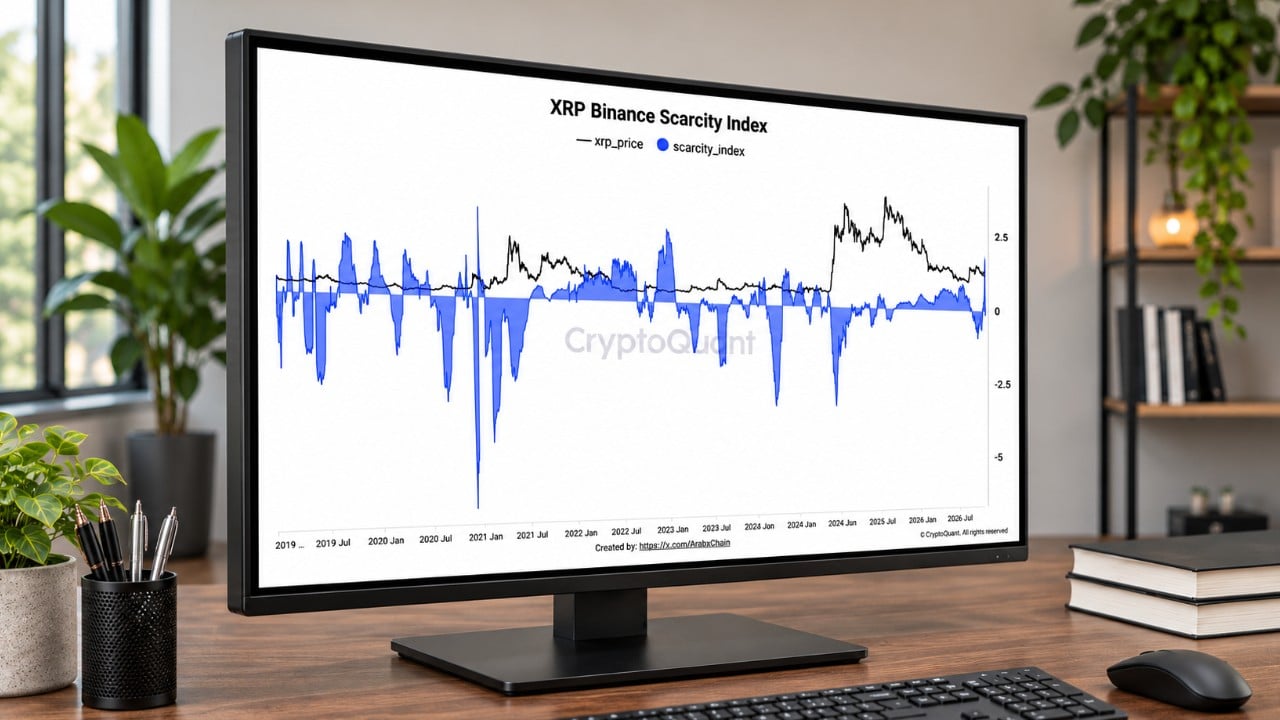
The surge to $1.35 came after popular analyst Ali Martinez predicted that a close above the $1.28 resistance could unlock major price gains. In a subsequent post on X, Martinez remained bullish, noting that over 13 million tokens were withdrawn from exchanges—theoretically reducing immediately available supply—and that whale holdings had grown by 60 million coins within a week. He said both metrics "point to growing interest from large holders."
Martinez also pointed to technicals, indicating that XRP appeared to have formed "the right shoulder of a potential inverse head-and-shoulders bottom." He concluded that $1.60 should be the next target, with a break above that level potentially putting XRP on a path to $2.10. The subsequent rejection, however, suggested that the surge to $1.35 was a false breakout, even though his data remains bullish.
The episode underscores that even prominent analysts cannot predict violent market crashes, and investors should always do their own research before allocating funds, especially in times of extreme uncertainty.