ZEC Price Rally Drives Network Hashrate to Record Levels
Zcash mining has returned to industrial-scale activity as ZEC trades near multi-year highs, pushing network computing power into record territory. Between August 23 and August 25, ZEC traded around $820 to $871. Concurrently, estimates placed the Zcash network hashrate in the mid-to-high-20s of gigasolutions per second, or GSol/s, with several trackers recording readings between 27 and 29 GSol/s.
When coin revenue surpasses electricity and hosting costs, idle equipment becomes productive once again. Operators activate offline machinery, expand existing facilities, and acquire additional units until rising network difficulty adjusts the profit margins.
Understanding Zcash Consensus and Metrics
The Zcash network secures consensus using Equihash, a memory-intensive mining algorithm. Unlike Bitcoin, which targets a ten-minute block interval, Zcash aims for a 75-second block time, translating to approximately 1,152 blocks per day. The current protocol subsidy sits at 1.5625 ZEC per block, of which miners collect 80% (1.25 ZEC) alongside transaction fees. The remaining portion is split between Zcash Community Grants and a protocol fund. Out of a maximum supply of 21 million ZEC, approximately 16.9 million coins are already in circulation.
Because Equihash hardware generates candidate solutions rather than standard hashes, mining power is measured in solutions per second. One GSol/s equals one billion solutions per second. This calculation method causes discrepancies across tracking dashboards. Platforms like Coinwarz and 2miners often report different hashrate figures simultaneously because they reverse-engineer the metrics using network difficulty, block timing, and varying averaging windows. Zcash difficulty adjusts after every block using a 17-block window, creating short-term fluctuations in tracker data.
ASIC Hardware and Industrial Expansion
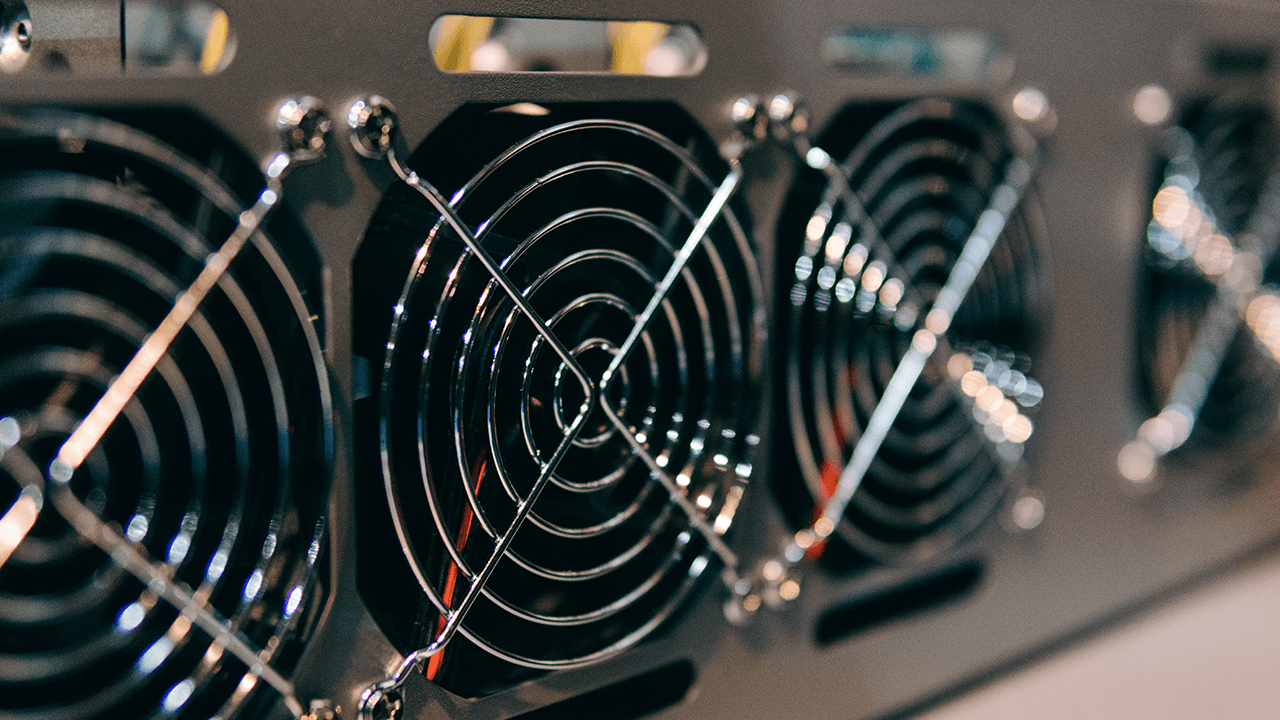
The expansion is largely driven by specialized hardware. Bitmain's Antminer Z15 Pro delivers roughly 840 kilosolutions per second while consuming approximately 2,780 watts, serving as a standard machine for industrial operations. The older Antminer Z15 model outputs about 420 kSol/s at 1,510 watts. Industrial deployments can be substantial; for instance, Cypherpunk Technologies announced it activated 4.2 GSol/s of Z15 Pro capacity, representing about 5,000 individual machines.
At a network rate of 25 GSol/s, the active infrastructure represents roughly 30,000 Z15 Pro-equivalent machines when excluding older hardware. While high ZEC prices incentivize deployments, official units such as the $4,999 Antminer Z15 Pro are sold out from the manufacturer, directing buyers toward secondary markets and independent vendors. Daily mining revenue estimates place the older Z15 at roughly $17.06 per day and the Z15 Pro at about $34.69 daily under current exchange rates.
Zcash miners currently sit at the top of ASIC profitability charts. However, operators continue to monitor whether ZEC can sustain prices high enough to keep machines profitable as difficulty increases, alongside upcoming protocol considerations like potential NU7 changes and the scheduled late-2028 halving that will reduce the block subsidy to 0.78125 ZEC.