Bitcoin has shown little consistent correlation with government bond yields, challenging the conventional narrative that rising yields are bearish for cryptocurrency. Analysis of 90-day, 180-day, and one-year correlation periods reveals near-zero relationships between bitcoin's daily returns and U.S. 10-year yield movements, with the 90-day correlation at −0.18 and longer-term figures even closer to zero.
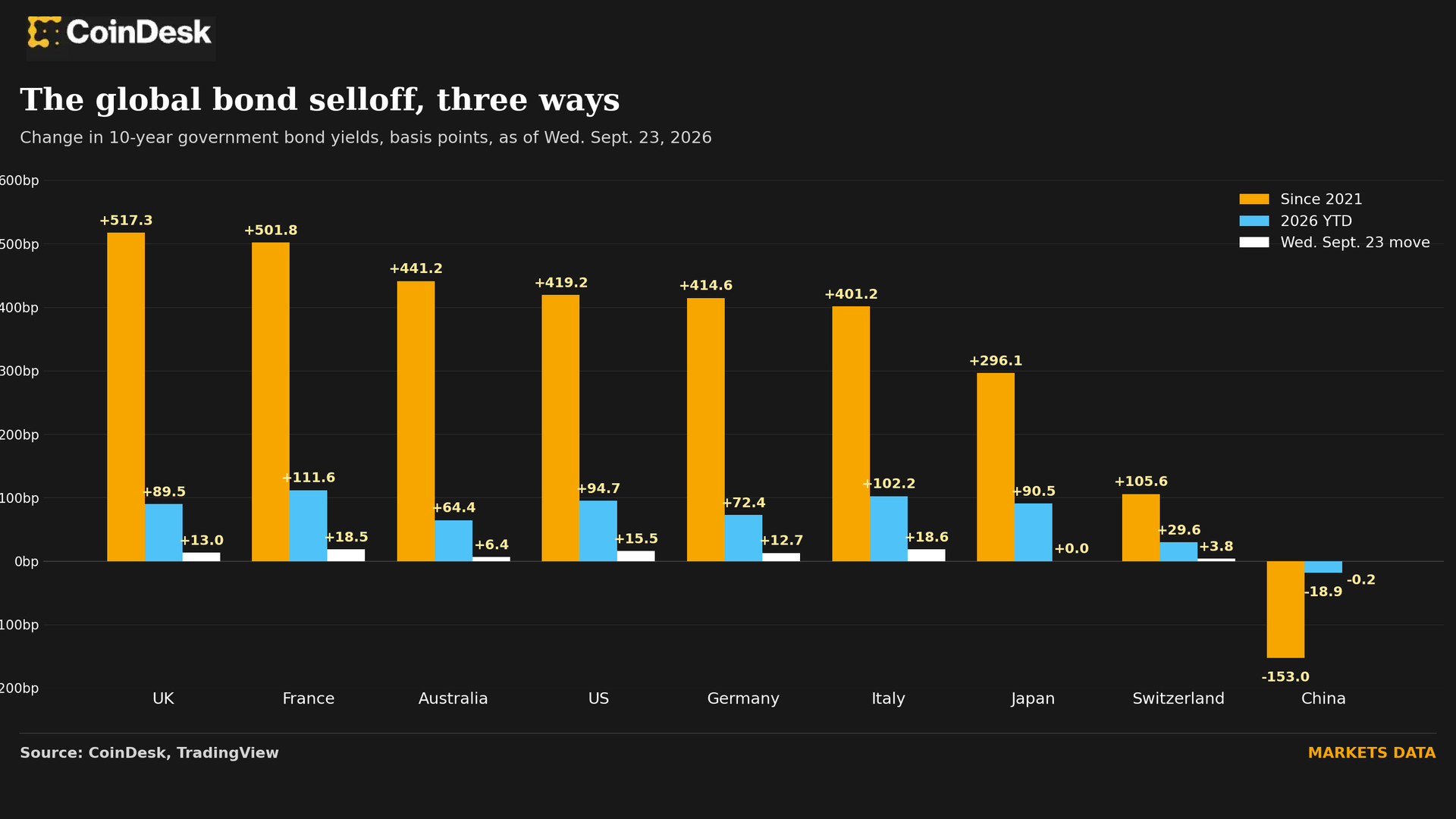
The U.S. 10-year Treasury yield jumped 15 basis points on Wednesday to exceed 5.13%, its highest level since 2007, driven by strong economic data showing the S&P Global Composite PMI rose to 58.4 in September. The standard market interpretation holds that rising yields increase the opportunity cost of holding non-yielding assets like bitcoin, making bonds more attractive by comparison. Yet this logic has not consistently played out in practice.
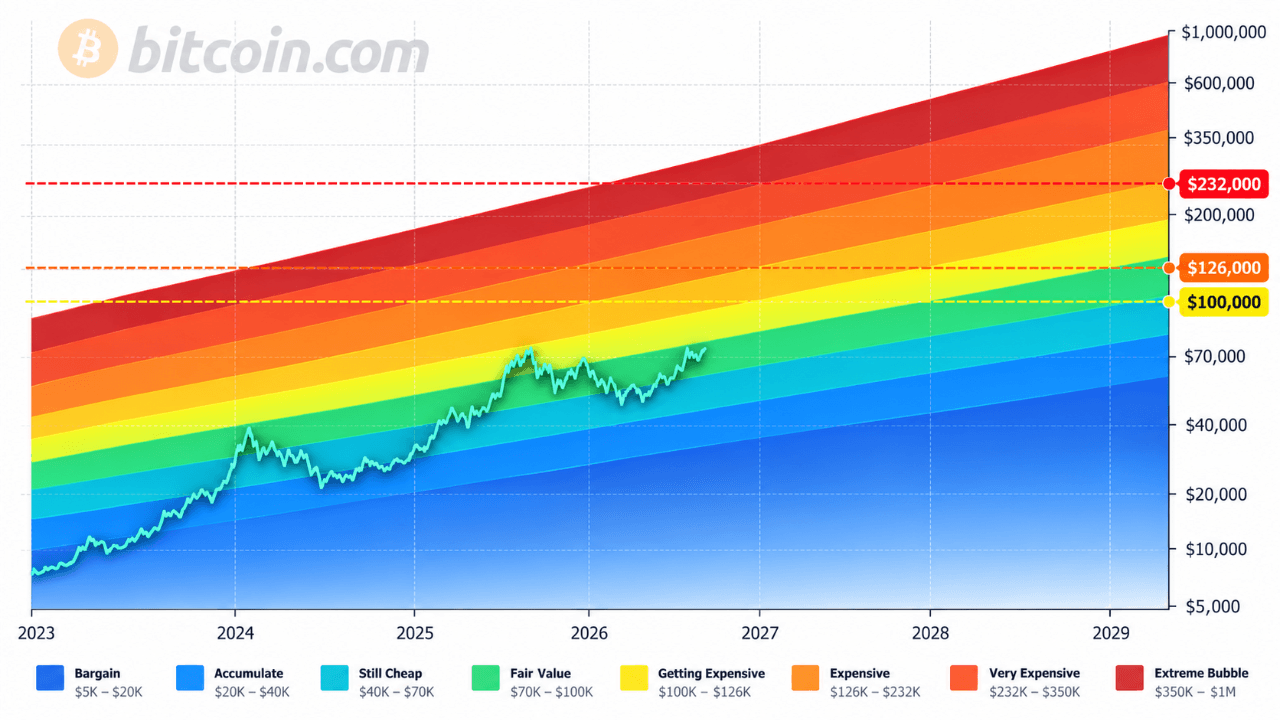
Bitcoin's historical performance underscores this disconnect. The asset rose 191% since 2021 and reached a record price of $126,000 in October, even as 10-year yields climbed more than 500 basis points in the U.K. and France and over 400 basis points in the U.S., Australia, Germany, and Italy during that same period. Japan and Switzerland saw yields rise 296 and 105 basis points respectively, while China's yields declined.
The near-zero correlation suggests bitcoin functions as a genuine portfolio diversifier, similar to other alternative investments, with returns driven by different fundamental factors than traditional rate-sensitive assets.
Short-Term Volatility Remains a Risk
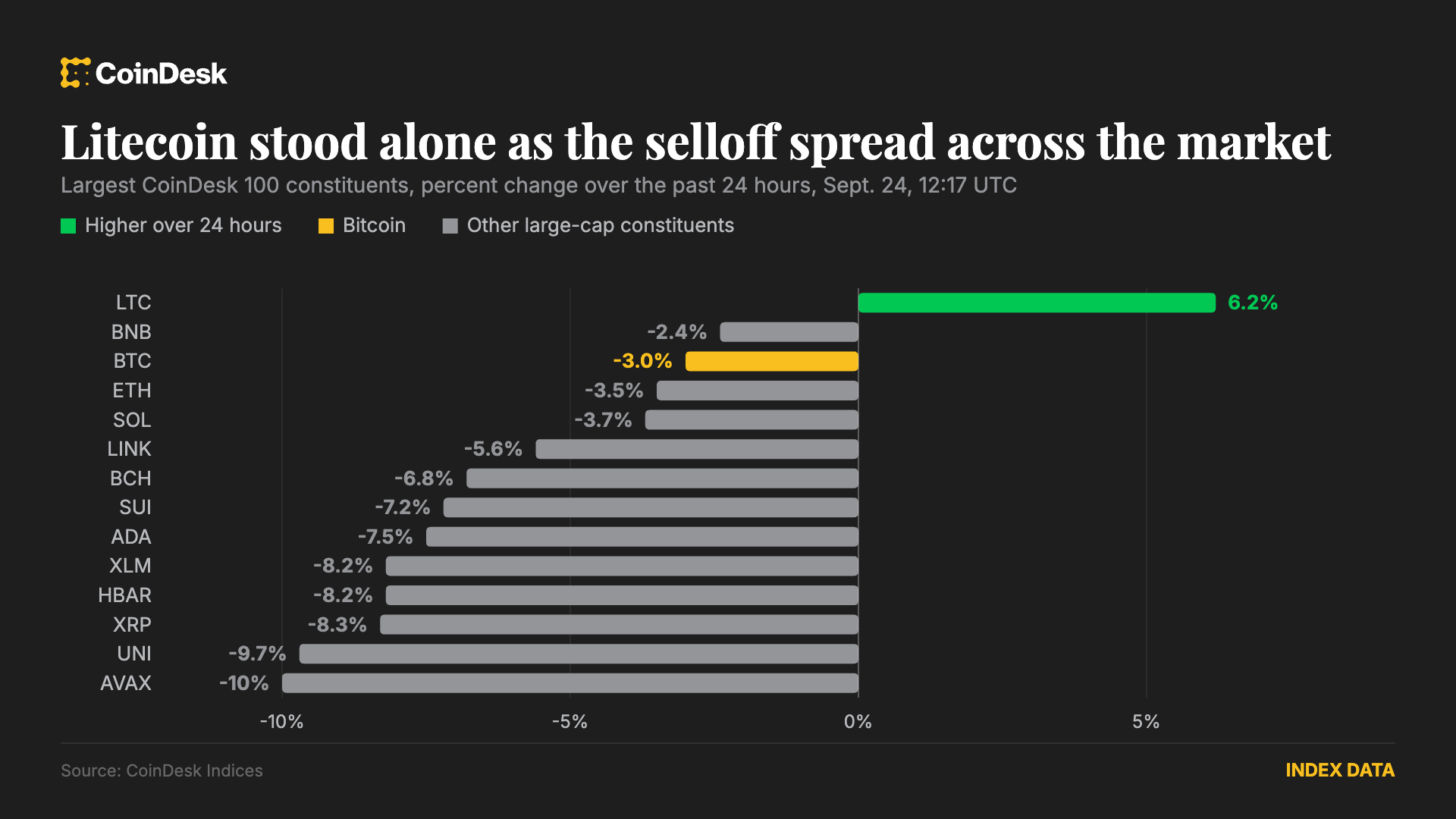
While long-term correlation data shows bitcoin's resilience to yield movements, short-term bond market turbulence poses a different threat. The MOVE Index, which tracks expected volatility in Treasury notes, surged 21% to 95 points on Wednesday, its highest level since April 1. This spike in bond market volatility helped push bitcoin from $87,200 to $83,500 on Wednesday.
Sharp increases in Treasury volatility can tighten financial conditions, make credit more expensive, and trigger broader risk aversion across asset classes, including cryptocurrencies. Persistent or escalating Treasury volatility could trigger additional bitcoin corrections, independent of the underlying level of yields.
Fiscal Vulnerabilities Drive Global Yield Moves
Wednesday's yield movements reflected not just U.S. economic strength but also growing concerns about fiscal sustainability in some developed economies. While strong U.S. data drove initial yield increases, yields in France, the U.K., Italy, and Greece rose comparably or more sharply, indicating markets were reassessing fiscal credibility across regions.
Japan held the highest debt-to-GDP ratio at over 200% at year-end 2025, followed by the U.S. at 123.8%, France at 115%, and the U.K. at 102%. China approached 100%. Switzerland, by contrast, maintained federal debt at just 16% of GDP, supporting the Swiss franc's emergence as a haven currency alongside traditional safe-haven assets.
For bitcoin, these fiscal dynamics and inflation concerns being priced into yields and fiat currencies have not historically translated into corresponding price pressure on the cryptocurrency.