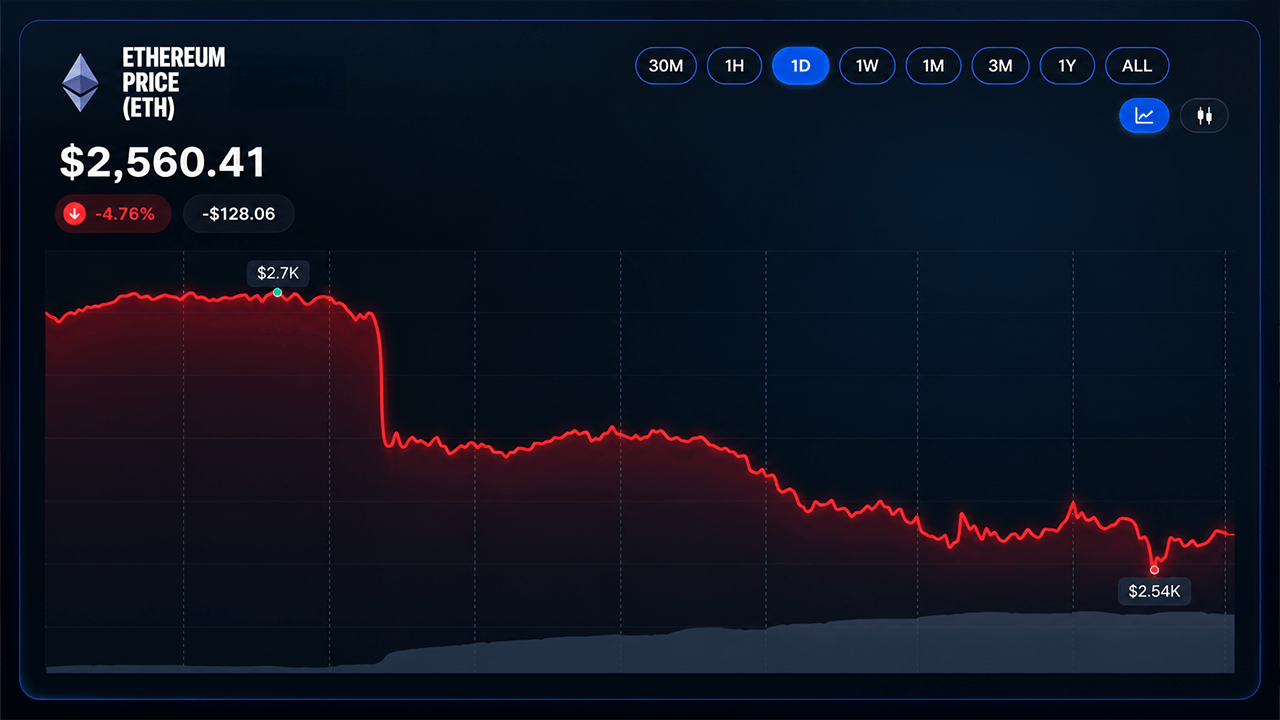
Investors redeemed $116.05 million from BlackRock's iShares Ethereum Trust (ETHA) on October 7, 2026, marking the largest single-fund redemption across US Ethereum ETFs that day. The outflow was part of a broader $160.9 million in sector-wide Ethereum ETF exits.
Outflows from Ethereum products intensified over the two-day period. On October 6, total Ethereum ETF redemptions reached $201.9 million, with ETHA accounting for nearly all of that figure. A week earlier, on September 16, ETHA lost approximately $110 million alongside $224 million in sector-wide outflows.
The pattern stands in sharp contrast to Bitcoin's performance. US spot Bitcoin ETFs recorded net inflows of approximately $119 million on October 6, the same day Ethereum products experienced their heaviest outflows.
Scale of ETHA's position
ETHA launched in July 2024 and has led the Ethereum ETF category since inception, accumulating over $13 billion in net inflows. As of early October 2026, the Ethereum ETF sector held approximately $17.36 billion in total assets, with ETHA representing the majority.
Reallocation rather than retreat
Analysis indicates the outflows reflect strategic repositioning by investors rather than a wholesale departure from digital assets. The simultaneous inflows into Bitcoin funds support this interpretation, suggesting a shift in relative conviction between the two assets rather than reduced overall commitment to crypto exposure.
The pattern appears tied to fluctuating macroeconomic conditions, with investor behavior potentially signaling adjustments in asset allocation as economic circumstances evolve.
What investors should watch
If outflow trends persist, particularly amid macroeconomic instability, Ethereum futures could experience increased volatility. For investors, the spread between Ethereum and Bitcoin flows offers a more meaningful signal than either figure alone, indicating relative positioning rather than overall market sentiment.
The Ethereum ETF sector's $17.36 billion asset base warrants continued monitoring to determine whether redemptions continue or stabilize.