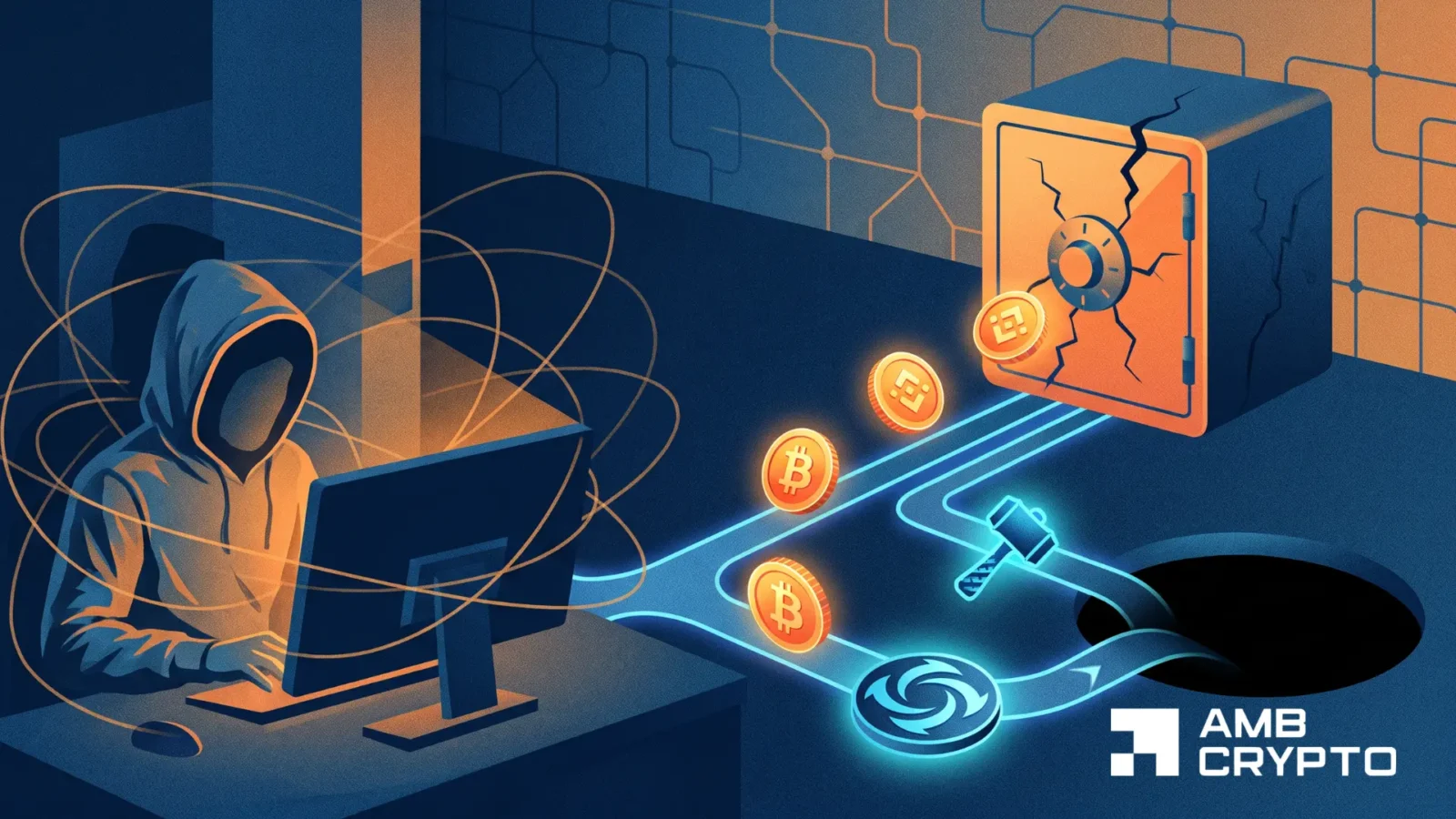
Changpeng Zhao has announced that crypto industry leaders are discussing a security alliance in response to a $6.3 billion hack of Binance, the exchange he co-founded. The proposed group would work with law enforcement around the world and focus on sharing security best practices across the industry.
The October 2026 Attack
On October 29, 2026, attackers drained approximately $6.34 billion from Binance's hot wallets across roughly 10 to 11 blockchains in about 20 minutes. By October 31, the FBI attributed the attack to TraderTraitor, a North Korean hacking group. The breach represents the largest cryptocurrency heist on record, surpassing the previous high set by the Bybit incident by more than four times.
The attackers gained access through months of social engineering, including fake job interviews and malware designed to compromise engineers' laptops. Researchers found no evidence of private key leaks.
Customer Funds Protected
Binance covered the losses from its own reserves and guaranteed full protection for customers. The company stated that no customer funds were lost and that it did not require loans or asset liquidations to cover the gap. By early November, Binance had replenished approximately 98% of the impacted assets.
Recovery efforts resulted in approximately $2.85 billion to $3 billion in stolen funds being frozen or intercepted, with assistance from stablecoin issuers Tether and Circle.
The Proposed Alliance
CZ has argued that crypto firms need to coordinate on security practices and share lessons learned from large-scale attacks. He has characterized the alliance as preparation for rising threats powered by artificial intelligence, noting that AI-assisted attacks could make social engineering faster, cheaper, and more convincing.
The alliance remains under discussion rather than a finalized agreement. Its membership, structure, and scope have not yet been defined. Key developments to monitor include which exchanges and stablecoin issuers participate, how the group formalizes coordination with law enforcement, and whether threat data will be shared publicly.