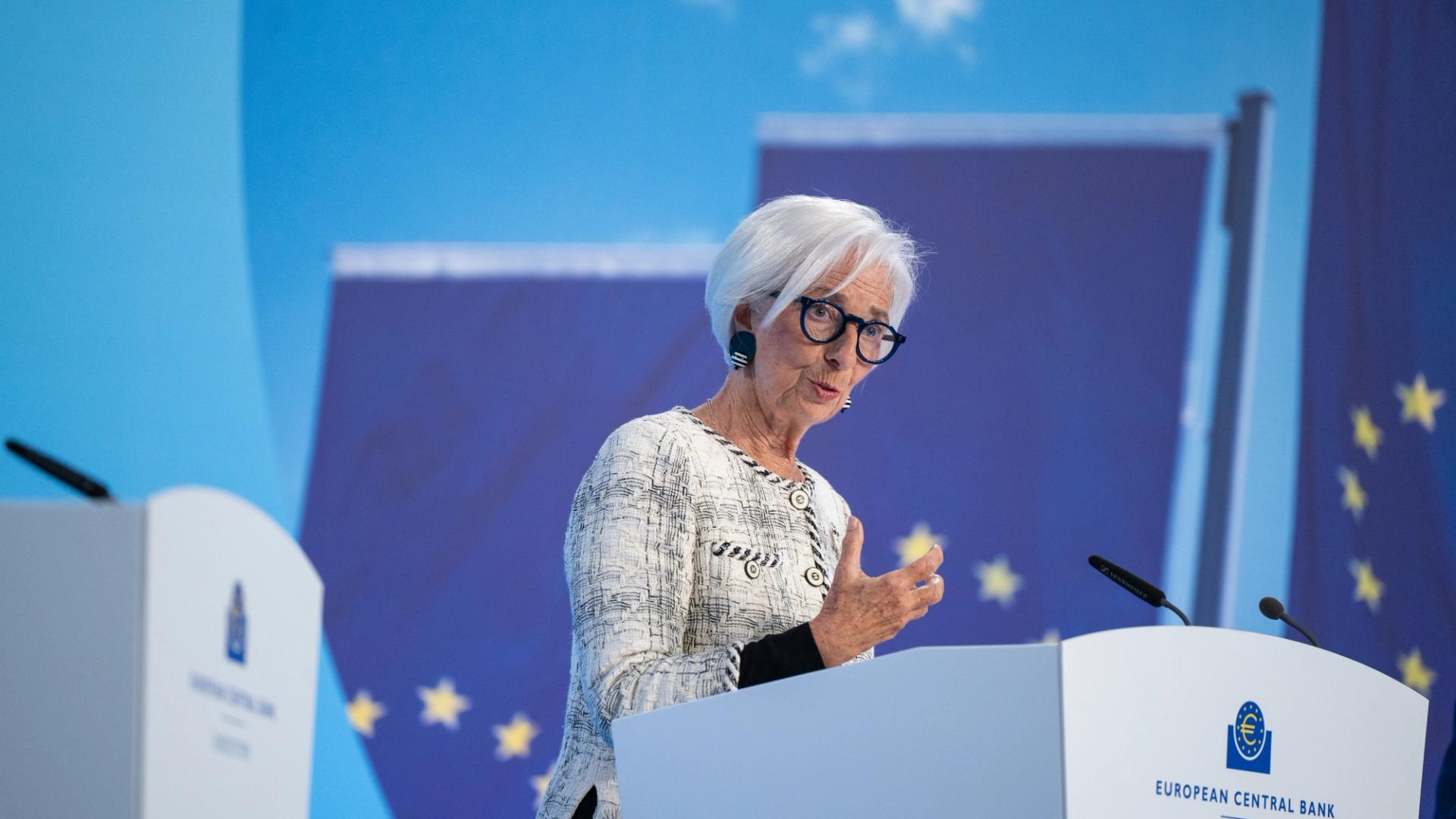
The European Central Bank launched Pontes on Monday, a platform that enables banks and other eligible financial institutions to settle tokenized-asset transactions in central-bank money. ECB President Christine Lagarde announced the deployment at a Eurogroup meeting on Friday.
Pontes connects distributed-ledger technology platforms to the Eurosystem's TARGET Services, allowing participating banks to settle tokenized wholesale transactions directly in central-bank money. The platform is available only to eligible financial institutions and market infrastructure providers.
The system addresses a key infrastructure challenge for tokenized assets. Tokenized bonds, funds, and other financial instruments require reliable settlement mechanisms for the cash side of trades. Pontes provides European institutions with a central-bank-money option, offering an alternative to stablecoins or tokenized commercial-bank deposits.
"Pontes is a digital euro made available for banks so that they can transact amongst themselves using tokenized assets and distributed ledger technology," Lagarde said during the Eurogroup summit.
Pontes is part of the ECB's broader effort to maintain central-bank money at the core of Europe's increasingly tokenized financial markets. The ECB has indicated the platform will be developed in stages alongside its longer-term Appia initiative for wholesale tokenization.
Separate from Retail Digital Euro Pilot
The wholesale Pontes platform is distinct from the ECB's retail digital euro project. The ECB selected 36 banks and payment firms to participate in a one-year digital euro pilot beginning in the second half of 2027, with potential issuance planned for 2029.
The pilot will test a beta version of the digital euro across the ECB and the 19 euro-area national central banks, covering online and offline transfers between individuals, in-store payments, and e-commerce purchases.
The ECB is advancing the digital euro project as it monitors the adoption of private dollar-backed stablecoins in Europe, which the central bank views as a potential threat to the region's monetary autonomy.