Ethereum transaction fees have collapsed over 85%, with average transfer costs falling to approximately $0.095 from a 2024 peak of $0.72 on April 21, according to Santiment data. The decline comes as network upgrades have increased the blockchain's capacity to handle activity.
Several technical improvements have contributed to lower fees. Fusaka, higher blob throughput, and a 60 million gas limit have expanded the network's processing ability. Additionally, Layer 2 solutions are now handling a larger share of transaction volume that previously competed for space on Ethereum's mainnet.
Lower costs remove one of Ethereum's long-standing barriers to adoption, making swaps, transfers, DeFi activity, stablecoin movements, and ERC-20 transactions more affordable. However, Santiment noted that cheaper transactions do not necessarily indicate recovering demand, which remained subdued during the bearish summer period.
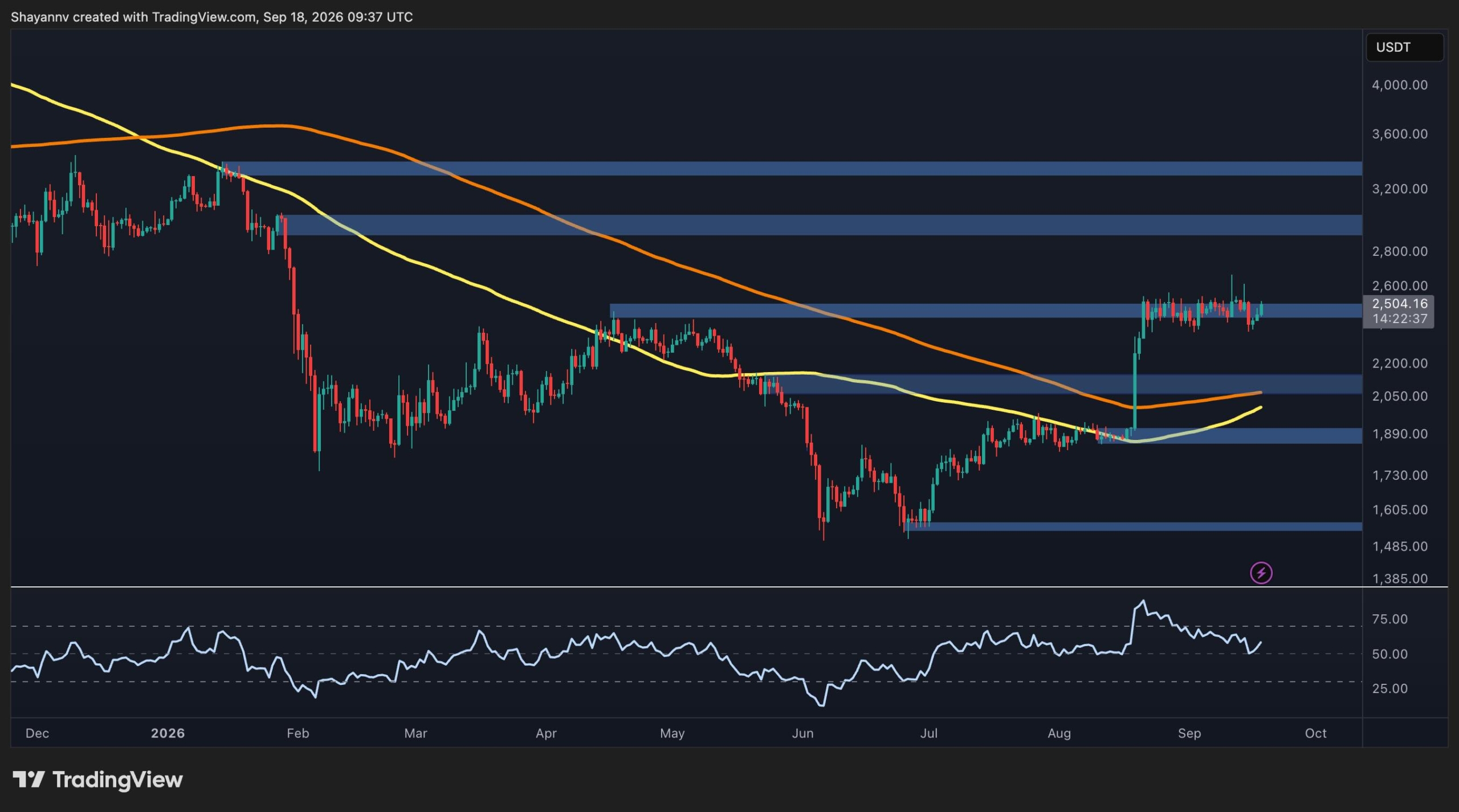
Ethereum's native token ETH has recovered after briefly falling near $2,350 this week, climbing above $2,480. The combination of lower fees and price recovery could create a more favorable environment for Ethereum-based projects.
Exchange Supply Reaches Historic Low
The recovery has been supported by reduced ETH available on exchanges. Current estimates show only 6.06 million units held on exchanges, down 73% from 22.9 million at the June 2020 peak. This decline reflects ETH moving into staking, ETFs, treasury holdings, and long-term custody arrangements.
Validators continue locking ETH to secure the network. Lower liquid supply may amplify the impact of buying activity, as smaller waves of purchases can have stronger price effects when fewer coins are available for trading.