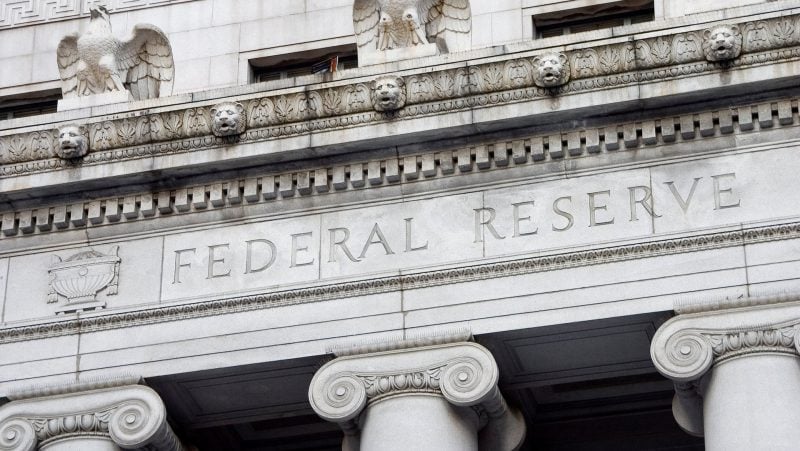
The Federal Reserve has proposed new regulatory rules for payment stablecoin issuers under its supervision, marking a step forward in implementing the GENIUS Act's framework for digital asset regulation.
The proposal includes two main components. First, stablecoins issued by Board-supervised firms would be required to be fully backed by permitted reserve assets, including short-term Treasury bills and other high-quality liquid assets. The rules would also establish standardized capital requirements to address credit and operational risks associated with stablecoin activities, alongside broader risk management standards.
A separate component addresses firms that safeguard stablecoin reserve assets and clarifies which stablecoin-related activities are permitted for banks under Federal Reserve supervision.
The second proposal establishes a tailored application process for Board-supervised banks seeking approval to issue payment stablecoins. Banks would be required to submit information including a business plan and financial documentation. The framework also establishes procedures for appeals, hearings, and final decisions on stablecoin applications.
These proposals build on earlier regulatory efforts under the GENIUS Act. In June, the Federal Reserve and other agencies proposed requiring permitted payment stablecoin issuers to operate customer identification programs and to be treated as financial institutions under the Bank Secrecy Act.
The GENIUS Act established a federal framework for permitted payment stablecoin issuers, with regulators responsible for developing requirements covering reserves, capital, liquidity, and risk management.