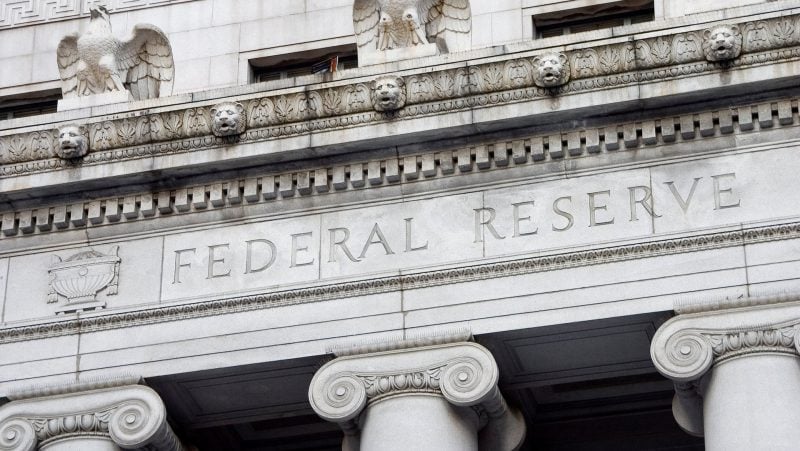
The Trump administration is reportedly considering an initiative to promote dollar-denominated stablecoins overseas, according to a Bloomberg report citing people familiar with the plans. The stated goal is to protect the dollar's position as the world's reserve asset and to increase demand for US Treasuries, which stablecoin issuers typically hold as reserves.
Federal Agencies and Joint Ventures
The initiative could involve several federal agencies, including the Treasury Department and the State Department, along with the US International Development Finance Corp. (DFC). One option under consideration involves creating joint ventures between the government and private-sector firms to support stablecoin projects in overseas markets.
Regulatory Framework
President Donald Trump signed the GENIUS Act into law, establishing a federal framework that requires stablecoin issuers to hold reserves that include the dollar and short-term Treasuries. Treasury Secretary Scott Bessent has argued that stablecoin adoption could strengthen the dollar's position as the world's reserve currency.
Market Landscape
The total stablecoin market cap stands at approximately $306 billion, with dollar-pegged stablecoins representing about $305 billion of that total. Tether's USDT holds nearly 60% of the overall stablecoin market. Recent net flow data shows positive inflows for several dollar stablecoins, including $1.2 billion for USDC and $1.1 billion for USDT.
Euro-backed stablecoins represent a much smaller portion of the market at nearly $805 million, while stablecoins pegged to the Brazilian real account for almost $81 million. Visa Onchain Analytics recorded $6.4 trillion in total stablecoin transaction volume over the last 30 days, with a total transaction count of 1.7 billion.
International Competition
The US initiative comes as other economies develop competing payment infrastructure. China's digital yuan is already in use through Project mBridge, while the European Central Bank is advancing its digital euro project and recently launched an initiative connecting blockchain markets with existing European payment systems. More than 12 euro stablecoins are now fully authorized under the MiCA framework.