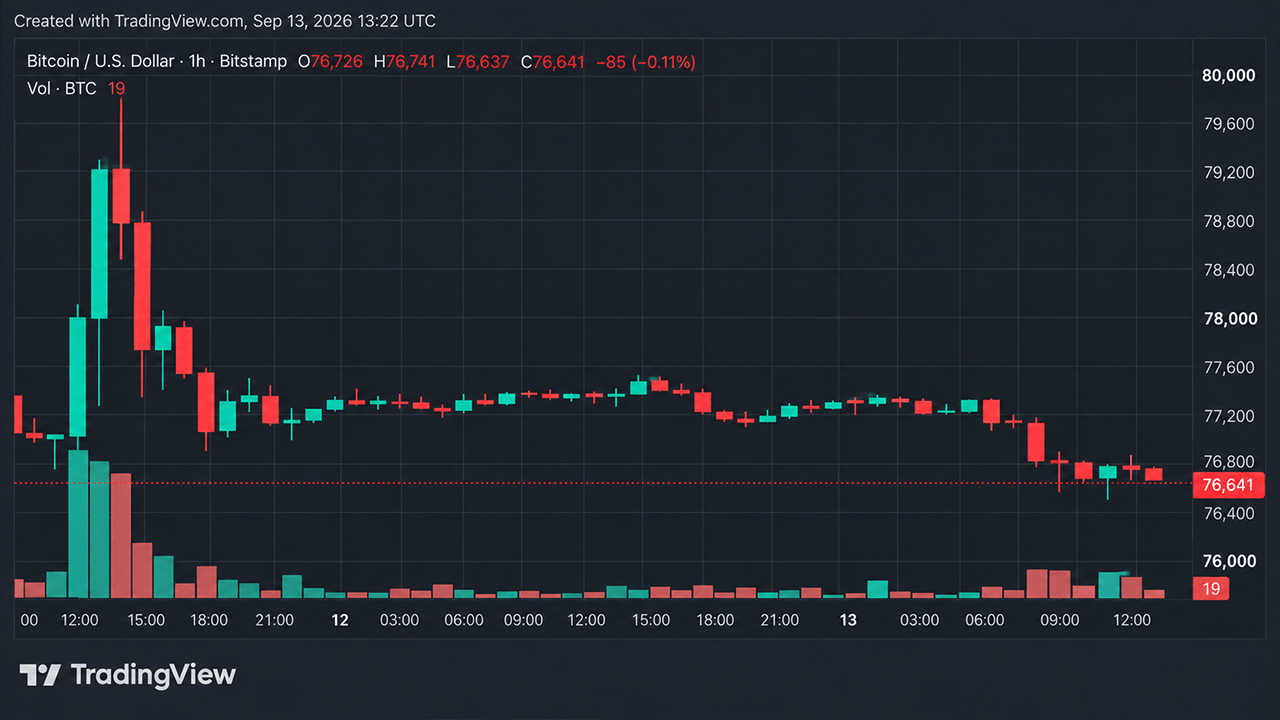
The International Energy Agency has revised down its 2026 oil supply forecast, now projecting full Gulf supply recovery will not occur until 2027. This timeline complicates the prospect of energy-driven relief in borrowing costs for Bitcoin investors.
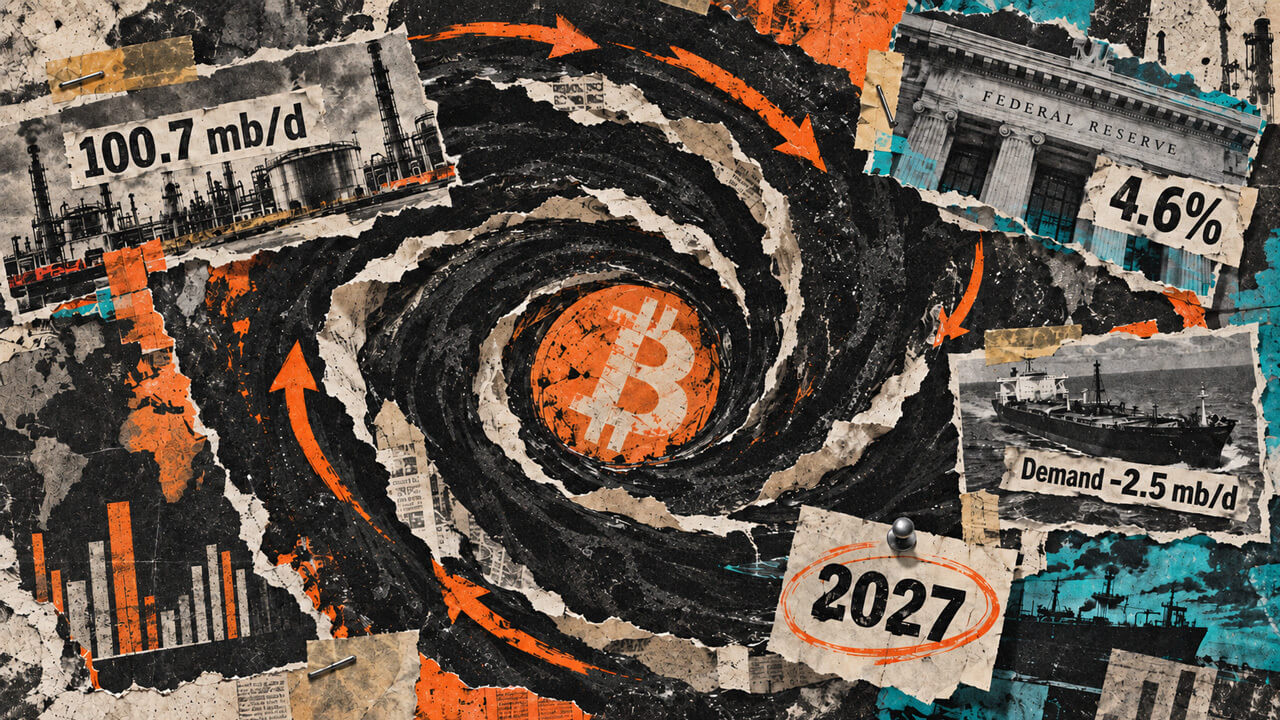
The IEA's September 11 report projects average global oil supply of 100.7 million barrels a day this year, down from 102 million in its August 12 outlook. The downward revision amounts to 1.3 million barrels a day.
Global oil demand is also weakening. The IEA forecasts global oil consumption will fall by 2.5 million barrels a day in 2026 compared with 2025, a contraction about 940,000 barrels a day deeper than expected in August. Despite reduced consumption, global observed inventories fell by 95 million barrels in August, suggesting that weaker demand has not fully relieved physical supply tightness.
The IEA notes some improvement in crude flows, with increased volumes bypassing the Strait of Hormuz and military-escorted shipments helping narrow export losses. However, Gulf refined-product and liquefied petroleum gas exports in August remained nearly 60% below February levels, indicating uneven recovery.
Inflation Expectations Rise Despite Weaker Oil Demand
For Bitcoin borrowers seeking cheaper dollar financing, the relevant connection runs through inflation and expected interest rates. If energy pressure sustains higher inflation expectations, financing relief could be delayed. The University of Michigan's preliminary September survey raised a concern: year-ahead inflation expectations rose to 4.6% from 4.0% in August, while long-run expectations moved to 3.4% from 3.3%.
Fed Governor Christopher Waller said in a September 3 speech that his concern about energy costs spreading into broader prices had not materialized so far. He identified renewed energy pressure and rising longer-term expectations as risks to monitor, and indicated he could support holding rates if disinflation continued.
Weaker oil consumption alone offers Bitcoin borrowers no assurance of financing relief. The test for cheaper credit ahead of the mid-September Federal Reserve meeting is whether reduced consumption and recovering flows translate into sustained relief from inflation pressure.