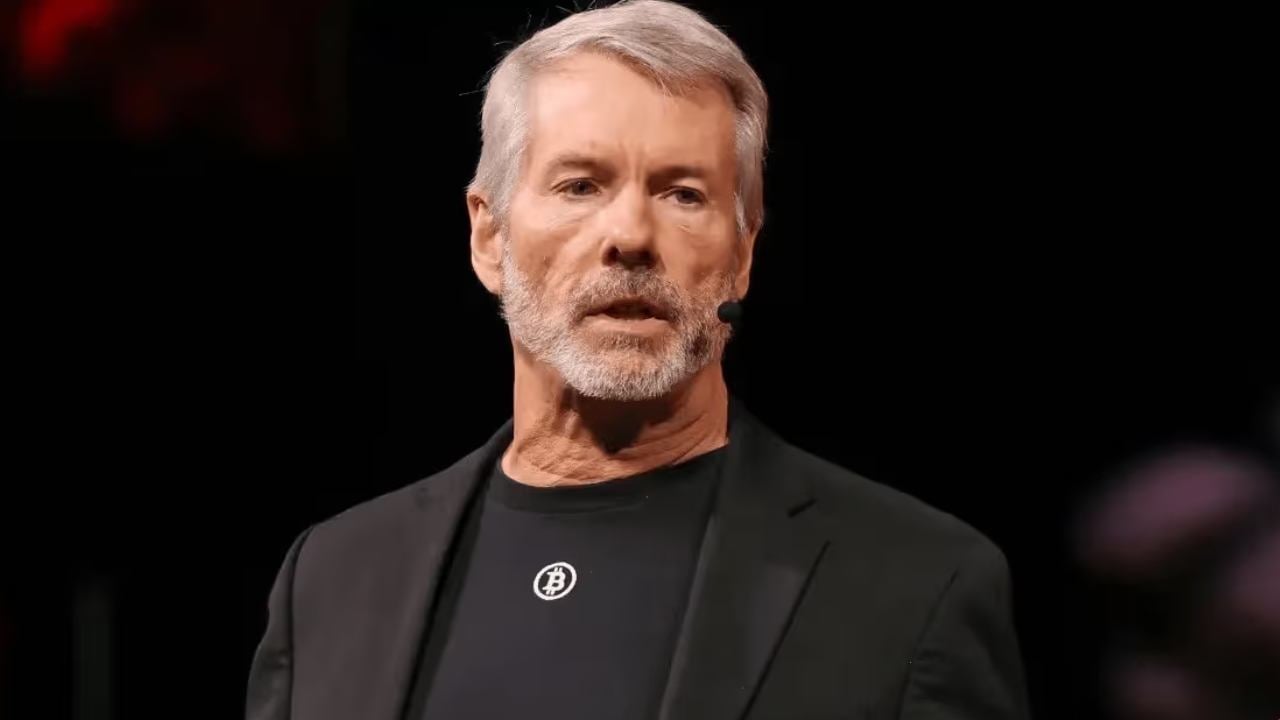
Michael Saylor of MicroStrategy has positioned Bitcoin as "digital capital" and a potential global reserve asset, arguing that investors should view it as a store of wealth rather than primarily as a payment network.
Saylor's investment thesis highlights qualities he says Bitcoin shares across traditional assets: scarcity, portability, divisibility, global liquidity, independent verification, and ownership transfer without a central issuer. He suggests Bitcoin could capture a portion of the monetary premium currently held in assets such as gold, real estate, equities, bonds, and collectibles.
Saylor emphasized that Bitcoin need not replace the dollar, banks, or traditional financial markets to realize this potential.
Historical Returns and Volatility
Saylor analyzed Bitcoin's rolling historical returns through September 4, 2026, showing median total returns of approximately 97.7% over one year, 272.2% over two years, 481.7% over three years, and 1,301.7% over four years. However, Bitcoin's worst one-year period resulted in an 83.6% loss, while its worst four-year period still returned approximately 32.6%.
Over the past 10 years, Bitcoin has delivered 62.8% annualized returns. Since August 2020, the annualized return has been 37.2%, though Bitcoin faced a maximum drawdown of roughly 93.1%. As of September 4, 2026, Bitcoin was 36.1% below its all-time high.
Current Market Dynamics
Bitcoin traded at $77,106.64 at the time of reporting, down modestly in the previous 24 hours but up over 22% in the past month. The cryptocurrency is experiencing competing pressures: spot Bitcoin ETFs saw three consecutive weeks of inflows and long-term investors continued accumulating, while weak spot demand, high exchange holdings, and rising futures selling added downward pressure.
Recent U.S. inflation data that met overall expectations but showed hotter core inflation raised concerns about higher-for-longer interest rates, contributing to Bitcoin's price volatility.
MicroStrategy sold 6,916 BTC in 2026 but purchased 4,603 BTC on August 31, suggesting renewed buying interest despite the mixed sentiment environment.