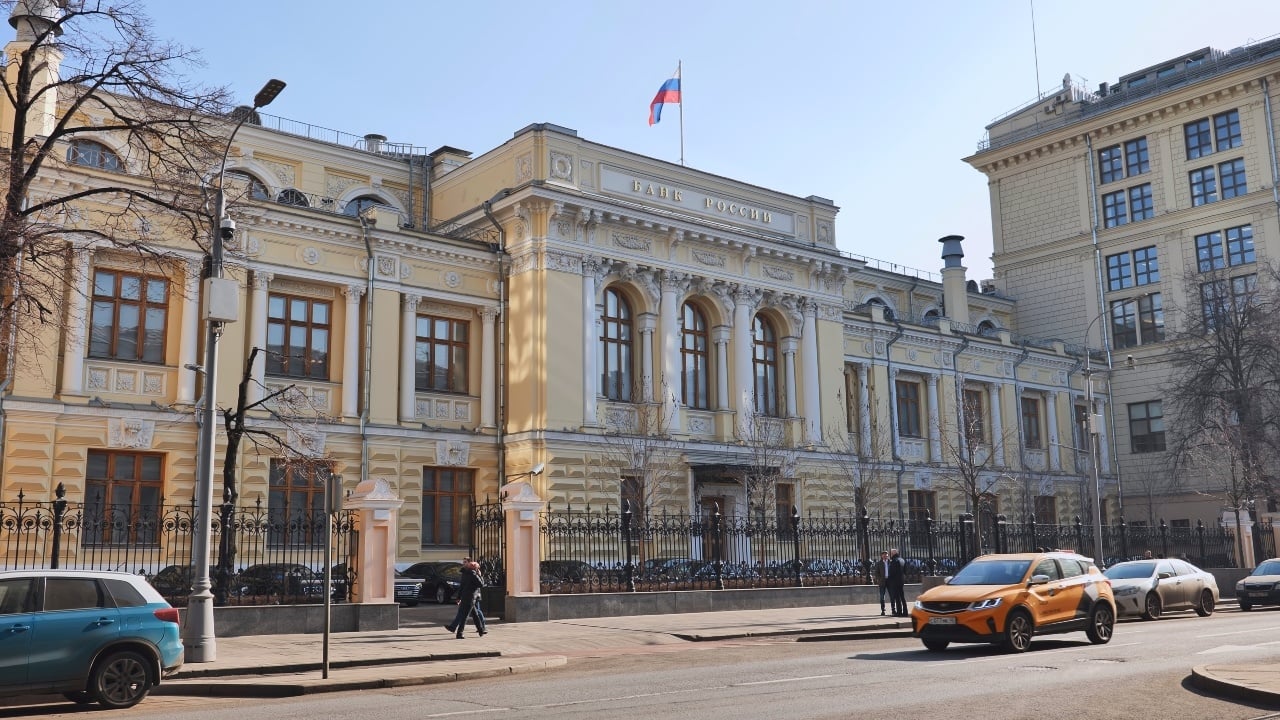
The Bank of Russia has categorized cryptocurrencies and stablecoins as major financial market risks in its latest draft policy document for 2027 to 2029, according to reporting by Bits.media. The central bank expressed concern that private digital currencies could undermine the Russian ruble and erode monetary sovereignty.
Central bank officials highlighted several concerns about cryptocurrency investments. They cited the high risk of total loss for investors due to the absence of legally accountable entities or collateral backing. The central bank also cautioned that the cross-border and decentralized nature of cryptocurrencies enables illicit activity and facilitates the expansion of shadow markets beyond the reach of localized legal bans.
To address these risks, the central bank is advocating for strict enforcement measures, including criminal liability for unlicensed platforms or exchanges facilitating digital currency circulation, and administrative fines for compliant participants violating established trading rules.
New Regulatory Framework
Russia has simultaneously moved to formalize its cryptocurrency industry. The country has opened regulated cryptocurrency trading nationwide while capping retail investors at approximately $3,700 annually through licensed intermediaries. The Bank of Russia will oversee the country's regulated cryptocurrency market, with exchanges, brokers, and custodians required to register as licensed intermediaries.
Under experimental legal regime legislation, select Russian businesses may use cryptocurrencies under central bank supervision to settle international trade contracts. Standard domestic retail usage, unlicensed exchanges, and unverified transfers remain heavily restricted to prevent capital flight and tax evasion.
Compartmentalized Approach
Russia's cryptocurrency policy reflects a dual-track strategy. While the central bank opposes cryptocurrency as legal tender or a daily payment method domestically, it permits use in international trade. Officials argue that allowing widespread domestic adoption of cryptocurrencies or stablecoins risks replacing the Russian ruble and weakening the central bank's ability to control inflation and manage interest rates.
Regulatory agencies such as Rosfinmonitoring maintain direct visibility over cryptocurrency transactions inside Russia. New regulations also require Russian taxpayers to provide their tax identification numbers to hold or trade assets through licensed Russian digital depositaries.