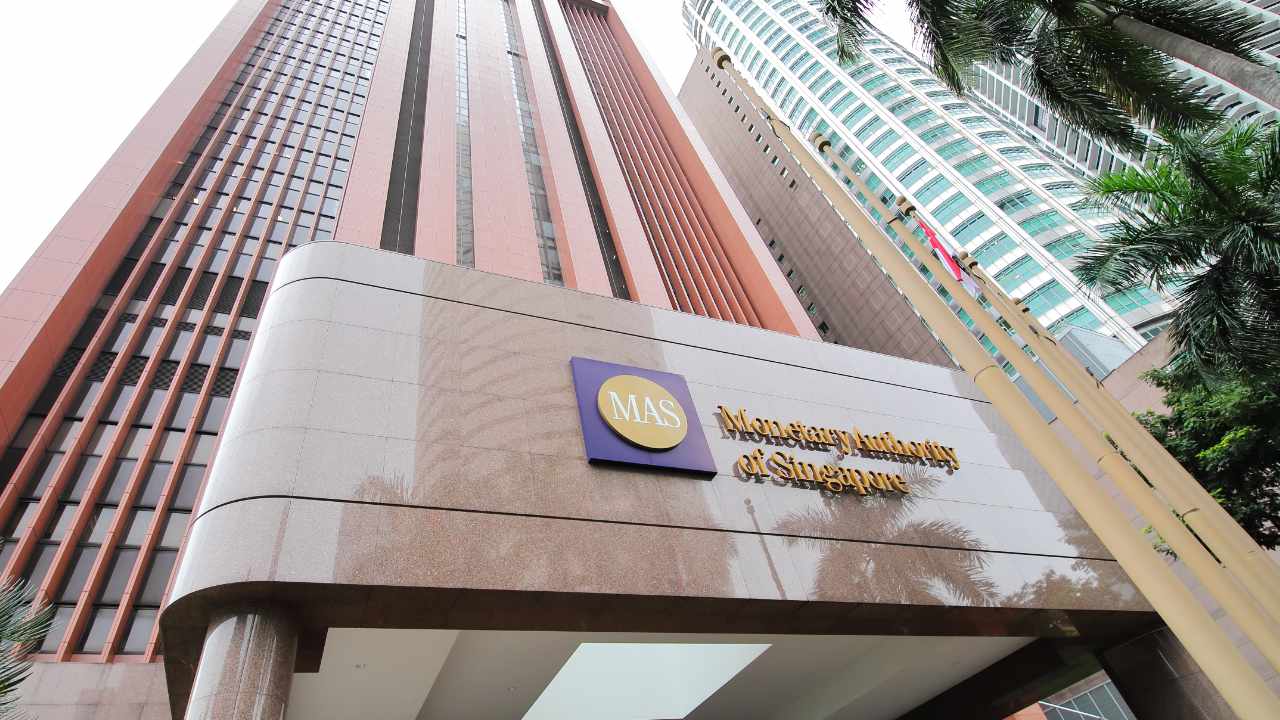
The Monetary Authority of Singapore proposed legislative changes on Sept. 1 that would prohibit interest payments on MAS-regulated stablecoins, while introducing stress testing, recovery planning, and expanded safeguards for token holders.
Amendments to Payment Services Act
The proposals would amend the Payment Services Act 2019 to formalize how issuers qualify for MAS supervision and which tokens may carry the "MAS-regulated stablecoin" designation. Only issuers licensed under the Single-Currency Stablecoin framework could describe themselves as licensed MAS-regulated stablecoin issuers. Tokens outside the framework would remain classified as digital payment tokens subject to existing consumer protection rules.
MAS Deputy Managing Director for Financial Supervision Ho Hern Shin said the amendments would "give effect to a stablecoin framework that promotes responsible financial innovation" with "clear regulatory guardrails for stablecoins that meet high standards of value stability and governance." She noted the framework's relevance as asset tokenisation gains traction, positioning well-regulated stablecoins as credible settlement assets in tokenised financial markets.
Expanded Safeguards for Issuers
The consultation also seeks feedback on capital requirements, value stability standards, redemption at par, and disclosure obligations for issuers. Proposed enhancements include stress testing, recovery planning, orderly wind-down arrangements, and protection of customer funds received before stablecoins are issued.
Pathways for Foreign and Jointly Issued Stablecoins
Singapore's original framework, adopted in 2023, applies to single-currency stablecoins issued domestically and pegged to the Singapore dollar or a Group of 10 currency. The G10 list covers the U.S. dollar, euro, yen, pound sterling, Swiss franc, Canadian dollar, Australian dollar, New Zealand dollar, Norwegian krone, and Swedish krona.
The new proposals would expand that structure in two ways. Stablecoins jointly issued by Singaporean and foreign entities could qualify when risks are sufficiently mitigated. MAS is also considering recognition for a limited number of foreign-issued stablecoins supervised under frameworks Singapore determines are comparable. Recognition would remain selective rather than automatic and would not extend to every stablecoin regulated by an overseas authority.
Context on Yield Restrictions
The proposed interest prohibition would bar issuers from paying holders on MAS-regulated stablecoins. Restrictions on issuer-paid returns have become a prominent policy question in other jurisdictions drafting stablecoin rules. A White House economic analysis of stablecoin yield restrictions examined whether such rules would protect bank lending by limiting competition from interest-bearing digital tokens.
MAS is accepting public comments on the proposed legislation through Oct. 16. The consultation remains open, meaning the interest prohibition, foreign-recognition pathways, and expanded safeguards are proposals rather than rules currently in force.