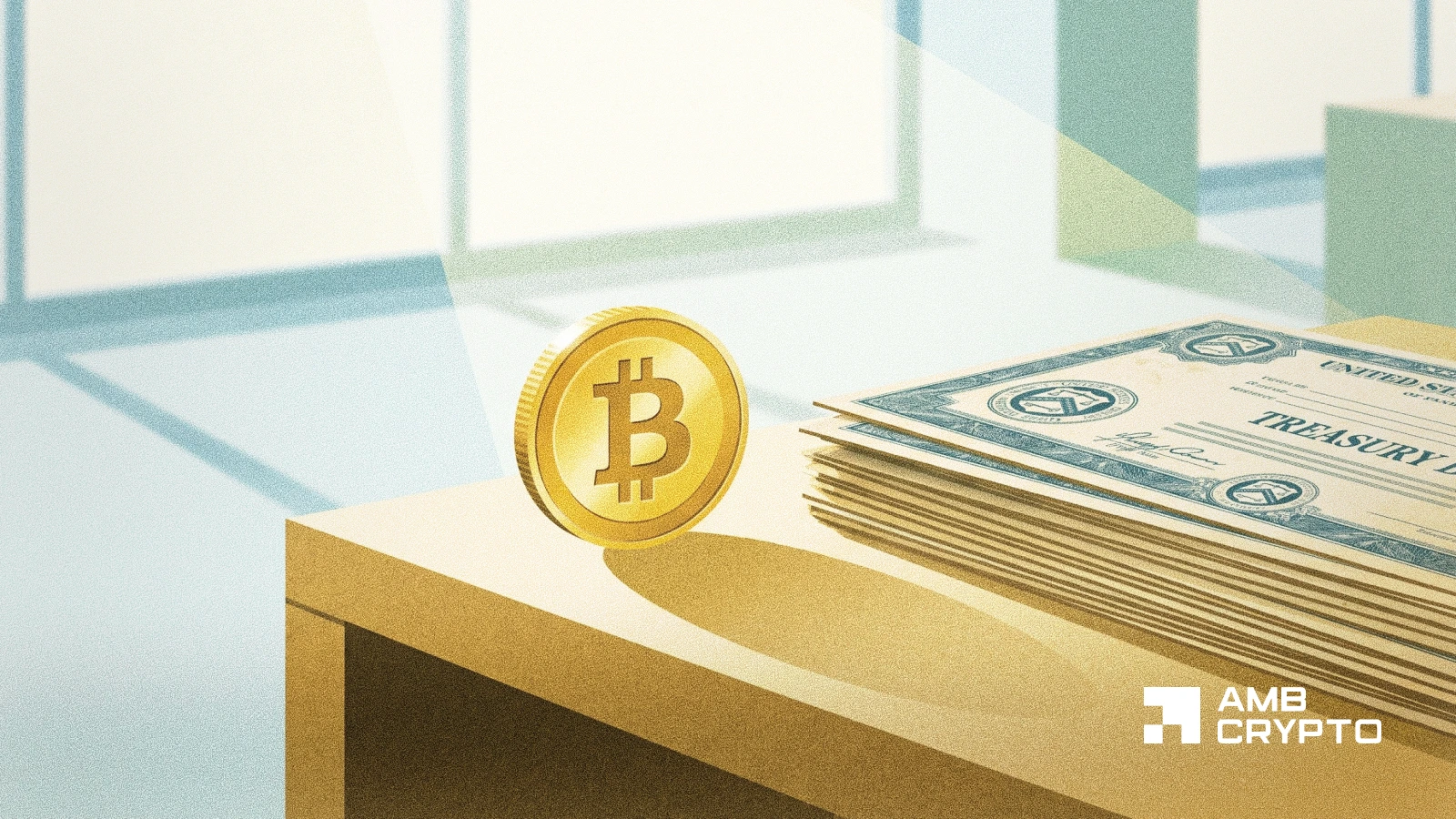
Treasury yields reached 4.85% in the past 24 hours, marking the highest level since 2023, despite an unusually large $6 billion buyback of 10- to 20-year Treasuries by the U.S. Treasury. The operation was nearly three times larger than the Treasury's previous $2 billion buyback efforts.
Typically, larger Treasury purchases support bond prices and lower yields. However, markets moved in the opposite direction, with yields climbing despite the intervention. Analysts interpret this as a sign of substantial underlying selling pressure in the bond market that the buyback could not offset.
The timing carries particular weight with the Federal Open Market Committee meeting scheduled for less than a week away. The Treasury's buyback operation appears designed to ease bond market pressure by reducing supply, yet the rising yields suggest deeper economic uncertainties.
Economic Pressures Behind the Move
Several structural factors are contributing to yield pressure, including rising oil prices tied to geopolitical tensions, a government deficit approaching $2 trillion, and annual interest expenses of approximately $1.2 trillion. Market pricing currently reflects a 60% probability of a rate hike decision.
Analysts at Kobeissi Letter anticipate the 10-year Treasury yield could move above 5.00% by the following week, signaling elevated economic stress.
Implications for Risk Assets
Rising Treasury yields typically tighten financial conditions by making capital more expensive and reducing investors' appetite for riskier investments. The yield movement may particularly pressure crypto and other risk assets if the upward trend persists through the FOMC decision.
Policymakers and investors are closely monitoring Treasury yields this week as a key indicator of broader market stress and economic sentiment.