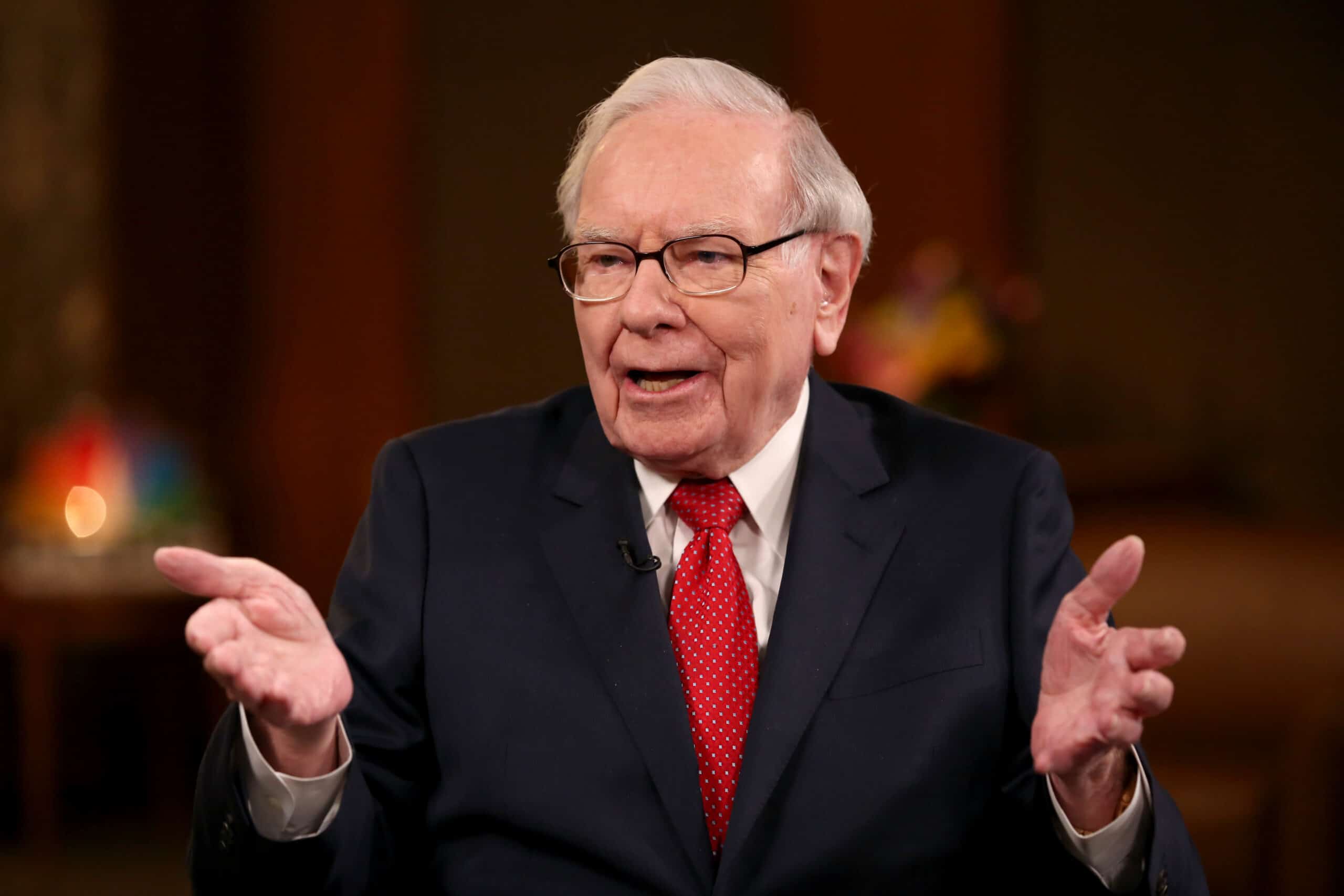
Warren Buffett has formally stepped down as chairman of Berkshire Hathaway after more than 60 years with the company. He is now Chairman Emeritus and remains on the board. His son, Howard G. Buffett, will succeed him as chairman, while Greg Abel continues as CEO.
In his farewell letter to shareholders, the 96-year-old said the timing was right to "complete the transition" and praised Abel for fully taking control of the company's operations. He described his son as the guardian of Berkshire's culture and values.
A Decade of Bitcoin Criticism
Buffett's retirement closes the active career of one of Bitcoin's most vocal and consistent skeptics. The investor has repeatedly dismissed cryptocurrency as speculative and lacking intrinsic value.
In 2014, when Bitcoin was trading for only a few hundred dollars, Buffett told CNBC investors to "stay away from it," calling it a "mirage." He acknowledged Bitcoin could function as a method of transmitting money but questioned what should give the asset major intrinsic value.
His most famous criticism came in 2018, when he described Bitcoin as "probably rat poison squared." That same year, he said cryptocurrencies would "come to a bad ending" and emphasized that Berkshire had no intention of taking any position in any of them.
The Core Objection
Buffett's main concern remained consistent: unlike businesses, farmland, or rental properties, Bitcoin does not generate cash flow or produce anything on its own. At Berkshire's 2022 annual meeting, he said that even if someone offered him all the Bitcoin in the world for just $25, he would not buy it, asking "What would I do with it?"
A year later, he described Bitcoin as a "gambling token" and compared its appeal to people wanting to play roulette, reflecting his broader concerns about market speculation.
A Contentious Legacy
Despite Buffett's sustained criticism beginning in 2014, Bitcoin has continued to grow. Bitcoin's current market capitalization exceeds $1.6 trillion, surpassing Berkshire Hathaway's market value of below $1.1 trillion.
Bitcoin proponents have rejected Buffett's framework, arguing that scarcity, decentralization, censorship resistance, and its fixed supply give it value independent of cash flow generation. Nevertheless, Buffett's skepticism has resonated with many in the investment community, particularly among older-generation investors.