Bitcoin marked its 18th anniversary on the publication date of Satoshi Nakamoto's whitepaper to a cryptography mailing list. Created to bypass opaque financial institutions and remove the need for trust in transactions, Bitcoin has challenged the traditional financial system since its genesis block was mined on January 3, 2009.
The first block carried a message quoting The Times: "Chancellor on brink of second bailout for banks," reflecting the financial crisis backdrop that prompted Bitcoin's creation.
Early Years and Milestones
In May 2010, developer Laszlo Hanyecz sent 10,000 BTC to pay for two pizzas, marking one of the earliest documented Bitcoin transactions. At the time worth approximately $41, those coins would be valued at $780 million by current prices, illustrating the concept of opportunity cost.
Bitcoin traded for pennies initially before breaking through $1,000 for the first time in late 2013. The rally halted abruptly in February 2014 when Mt. Gox, the world's largest Bitcoin exchange at the time, went offline after losing around 850,000 BTC, including customer funds.
Volatility and Institutional Opposition
A major bull run between 2017 and 2018 saw Bitcoin climb from below $1,000 to nearly $20,000 by December 2017, coinciding with a boom in initial coin offerings. JPMorgan Chase CEO Jamie Dimon called Bitcoin "a fraud" in September 2017 and said he would fire any employee trading it.
During this period, Bitcoin faced a bitter debate over network scaling known as the "block size war," culminating in August 2017 with a hard fork that created Bitcoin Cash. China banned ICOs in September 2017 and took action against cryptocurrency exchanges, intensifying market uncertainty.
The Pandemic Boom and Regulatory Crackdowns
Bitcoin experienced a remarkable recovery during the COVID-19 pandemic as governments and central banks increased money printing. The cryptocurrency reached almost $69,000 by November 2021 before China announced a sweeping ban on cryptocurrency transactions and mining in September 2021.
In November 2022, the collapse of FTX exchange intensified the crypto winter and led to significant customer losses. This episode triggered a loss of trust from traditional finance and increased regulatory hostility toward the sector.
Mainstream Adoption and Current Challenges
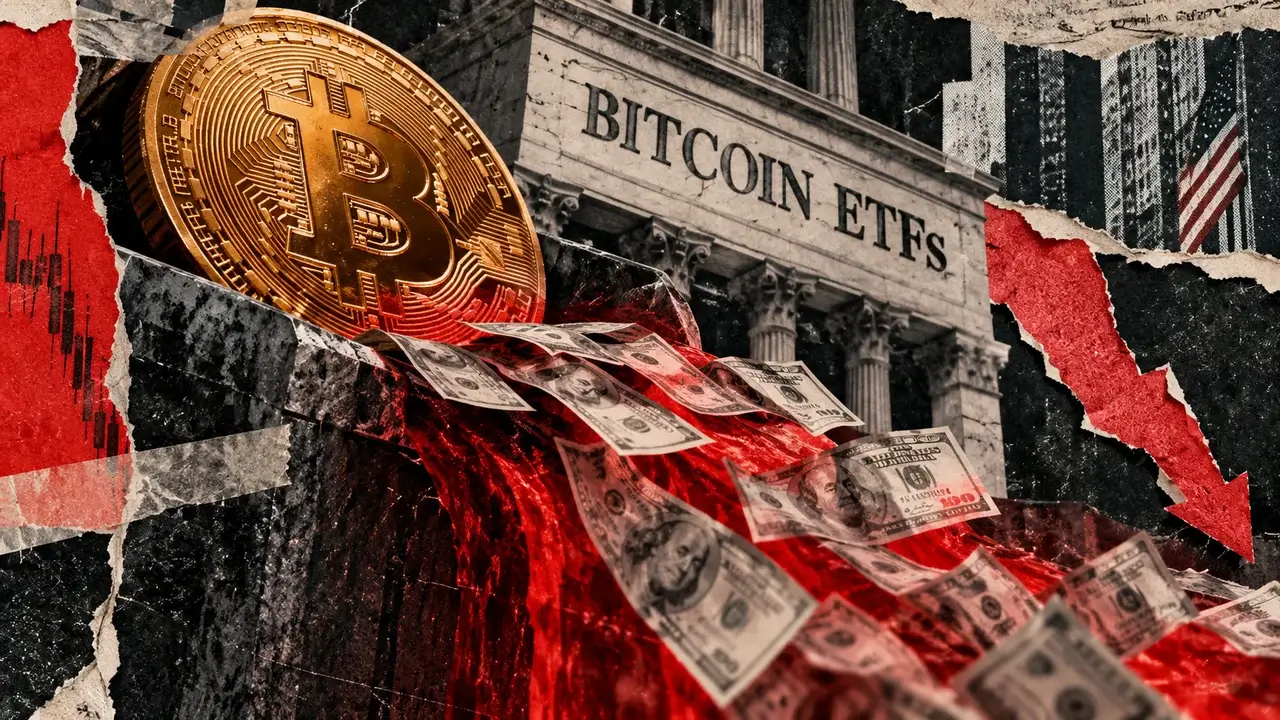
A turning point came in January 2024 when the U.S. Securities and Exchange Commission approved the first spot Bitcoin exchange-traded products, providing regulated access to BTC without requiring wallet or private key management. Bitcoin's price subsequently broke through $100,000 for the first time at the end of 2024 and reached a new all-time high of more than $126,000 in October 2025.
Traditional finance has increasingly moved closer to crypto, with banks offering custody and trading services. Even JPMorgan's Dimon shifted from outright dismissal to allowing clients to buy the asset.
Future Questions and Security Concerns
Bitcoin now benefits from regulatory tailwinds including the GENIUS Act for stablecoins, SEC clarity on securities laws for crypto assets, and Europe's Markets in Crypto-Assets Regulation. However, these developments have raised questions about whether institutional ownership is concentrating supply and centralizing the network that was designed to challenge traditional institutions.
Long-term security threats include quantum computing, which could break the cryptography securing Bitcoin. A proposed upgrade known as BIP-360 aims to reduce quantum vulnerabilities, but implementing network changes remains challenging in a decentralized system.
The recent $6.3 billion Binance hack, the largest crypto exchange hack on record, has renewed concerns about centralized exchange security and crypto infrastructure stability. Additionally, transaction fees accounted for just 0.67% of total miner revenue in the 90 days to October 4, raising questions about whether fees alone will compensate miners as block rewards diminish with each halving.