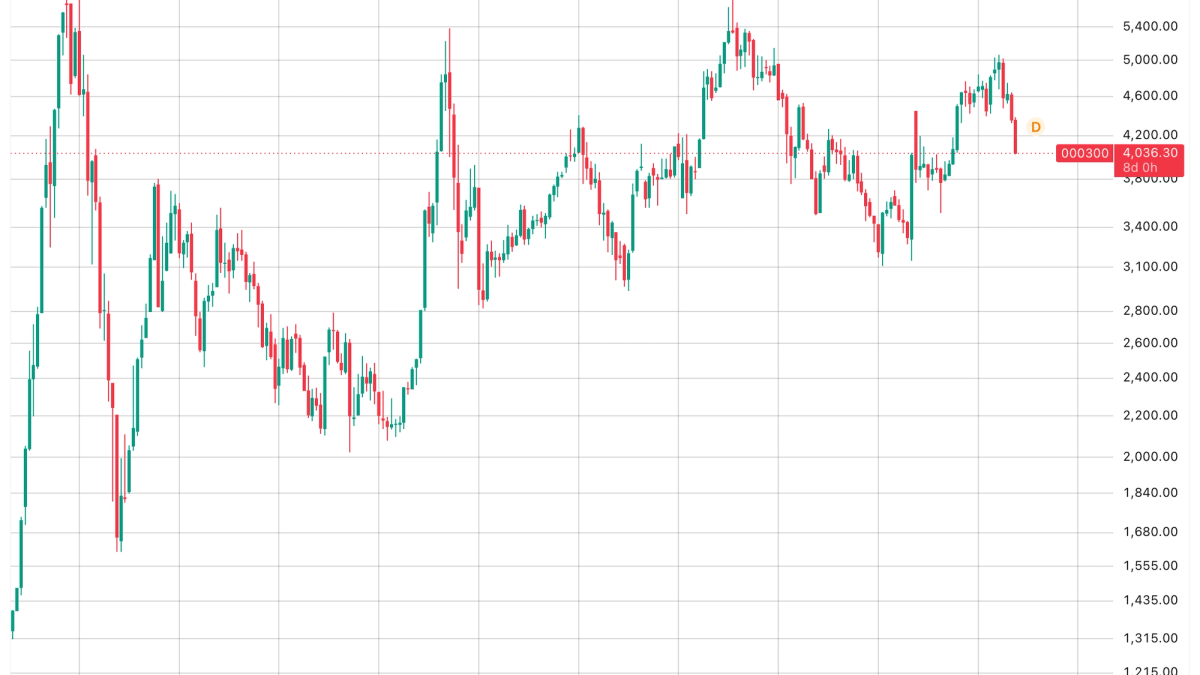
Bitcoin has climbed approximately 26% from its mid-August low after a significant short-liquidation event accelerated the recovery. On August 19, the liquidations reached the largest one-day total since 2019, according to on-chain analytics firm Glassnode, with short positions accounting for the majority of closures across major centralized exchanges.
The initial squeeze cleared much of the liquidation liquidity surrounding Bitcoin, leaving short-liquidation levels above the current market and a smaller pool of long-liquidation levels below. However, the rebound has extended beyond forced position closures as spot demand has also supported the move.
ETF Inflows and Holder Shifts
US spot Bitcoin ETFs recorded $2.23 billion in net inflows over a seven-day period with no outflow days, marking their strongest weekly intake of 2026. The period included the largest ETF creation session since mid-January.
On-chain data reveals shifting holder patterns. Entities holding between 1,000 and 10,000 BTC reduced their balances by 50,500 BTC since June 30, while those holding more than 100,000 BTC—a group that includes exchanges, custodians, and ETF-related wallets—added 59,100 BTC. The custody group alone added 31,500 BTC during the squeeze week, an amount similar in scale to weekly ETF creations, though Glassnode noted the data does not confirm these coins moved directly into ETFs.
Every wallet-size cohort entered net accumulation on Glassnode's 30-day trend score, representing the most persistent all-cohort buying since late 2024.
Market Dynamics and Next Tests
Leverage has not recovered at the same pace as price gains. Futures open interest fell 11% in BTC terms, while perpetual funding rates remained near neutral before turning negative, suggesting limited pressure from new leveraged long positions.
Bitcoin now trades between recent buyers positioned beneath the price and long-term holders providing the main supply zone above it. Several on-chain indicators point to a similar overhead supply area, including cost-basis levels, ask liquidity, options positioning, and remaining liquidation clusters. A sustained move through this zone would demonstrate whether buyers can absorb the available supply.