Eighteen years have passed since Satoshi Nakamoto published the Bitcoin whitepaper on October 31, 2008. The proposal outlined a peer-to-peer monetary network with a fixed supply of 21 million coins and no central authority—released just over two months after the U.S. government committed to bailing out major banks during the financial crisis.
Nakamoto embedded a message referencing that crisis into the first Bitcoin block, mined on January 23, 2009: "The Times 03/Jan/2009 Chancellor on brink of second bailout for banks."
From Fringe Concept to Institutional Asset
Bitcoin's price rose from $1 in 2011, when Nakamoto stepped back from the project, to a record $126,000 per coin by 2025. This climb has been accompanied by a dramatic shift in institutional perception.
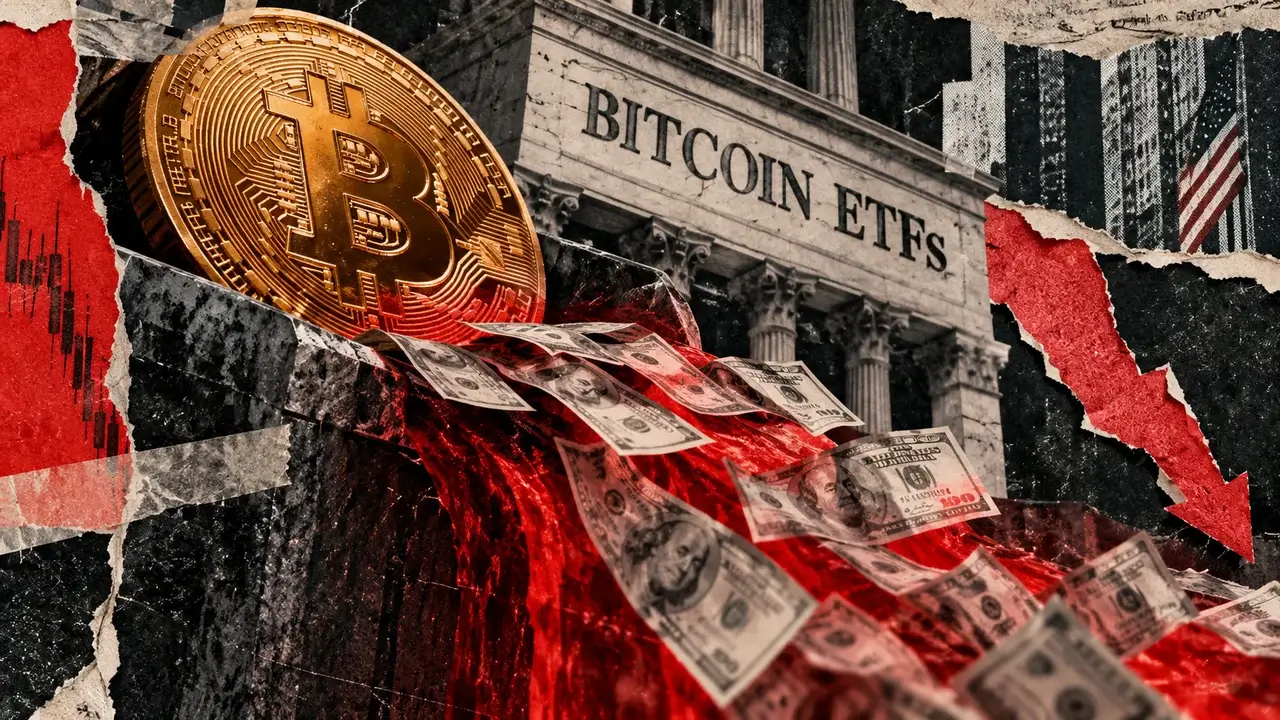
BlackRock, initially critical of Bitcoin, reversed course and now pitches it as digital gold and a hedge against fiscal debt and geopolitical risks. U.S. spot Bitcoin ETFs, led by BlackRock, currently hold 1.6 million BTC—the largest holdings among institutional investors and nation-states. Public companies hold 1.265 million BTC, while governments collectively hold 645,600 BTC.
The UAE's sovereign funds reported nearly $800 million in Bitcoin exposure in the third quarter, citing it as a strategic diversifier. With U.S. fiscal debt now exceeding $40 trillion and regulatory pressures on peer-to-peer transfers increasing globally, Bitcoin's original value proposition—a non-sovereign, censorship-resistant asset—has reinforced its appeal.
The Bank for International Settlements acknowledged that Bitcoin adoption reflects distrust in traditional monetary systems and central banks, calling on central banks to modernize in response.
Emerging Security Challenges
Despite institutional growth, Bitcoin faces mounting security concerns. Miners, who help secure the network, have seen block rewards decline from 50 BTC to 3.125 BTC. A further reduction is expected after the 2028 halving event, raising questions about mining sustainability and network security. Additionally, the network faces potential threats from quantum computing advances.