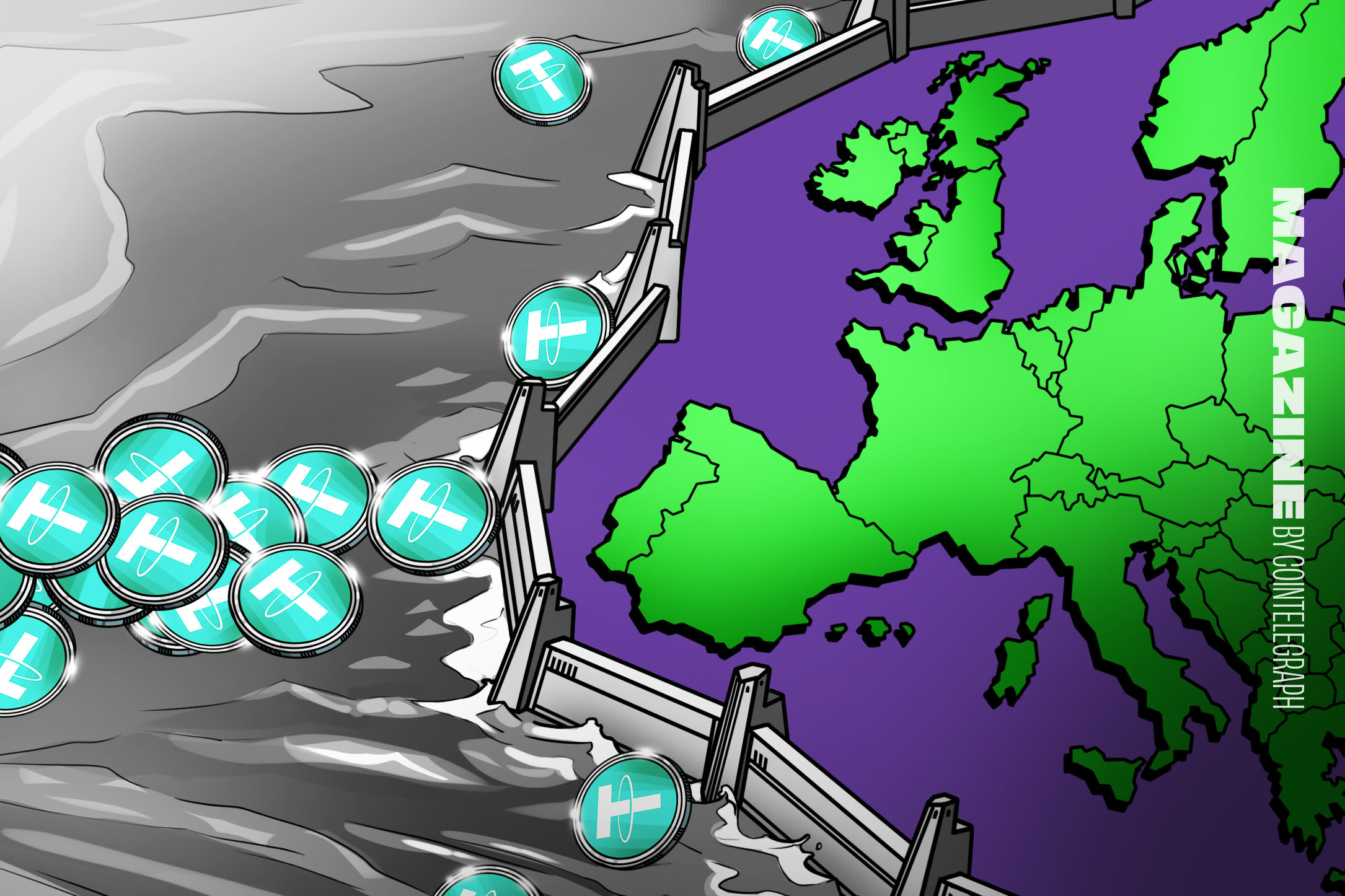
Europe's regulatory crackdown on Tether's USDT is progressing as platforms adapt to the European Union's Markets in Crypto-Assets (MiCA) framework. With the EU-wide transition period ending on July 1, platforms like Revolut have announced plans to delist USDT, joining a growing number of European exchanges restricting access to the stablecoin.
Despite these regional restrictions, data from Artemis Analytics indicates that the squeeze in Europe has not triggered a significant shift in overall USDT supply or demand globally. Research indicates no noticeable change directly attributable to MiCA, and no major venue or chain migration has occurred.
Stablecoins Evolve Into Financial Infrastructure
Resilient demand for dollar stablecoins is driven by their expanding use cases in regions outside Europe, where they function as essential financial infrastructure rather than mere trading assets or savings tools.
In Argentina, stablecoin activity continues to grow even as access to physical US dollars has eased. Argentine crypto platform Lemon reported $9.3 billion in total volume for 2025—a 60% increase from the previous year—alongside a 45% year-on-year rise in stablecoin volume and transactional user growth reaching nearly 1.8 million.
Industry participants note that stablecoin activity is increasingly propelled by everyday payments, cross-border transfers, and global financial services. Artemis data reflects this broader emerging market expansion, showing daily active users rising significantly on low-fee networks like Binance Smart Chain and Tron between mid-2024 and mid-2026.
The European Gateway and the Dollar Problem
While MiCA is actively reshaping the stablecoin market inside the EU and dictating which products regulated regional platforms can offer, market participants emphasize that regulation changes access methods rather than underlying global demand. Liquidity depth, counterparty usage, and cross-market functionality continue to drive user preference.
Exchanges like OKX Europe note that they stopped offering USDT to European users years prior, making the latest regulatory deadlines less disruptive for their operations. Meanwhile, European alternatives face a distinct hurdle: the crypto market's long-standing reliance on the US dollar as its primary benchmark.
Although institutional interest in euro-denominated stablecoins is growing to potentially reduce currency conversion friction for retail users, MiCA remains unable to alter the overarching dominance of the dollar in global cryptocurrency markets.